Multicentre trial involving 1,200 adults reports good tolerability and no treatment-related liver or kidney injury, while finding no additional measurable immune benefit
New Delhi, Sept 2026 : A large multicentre clinical trial published in Frontiers in Medicine has reported that daily administration of a standardised Ashwagandha root extract for 24 weeks was well tolerated among apparently healthy adults who had received the COVISHIELD vaccine, with no evidence of treatment-related liver or kidney injury.
The study, published on August 20, was a randomised, double-blind, placebo-controlled trial conducted across seven centres in India. It evaluated the safety and tolerability of prolonged Ashwagandha use following COVISHIELD vaccination, while also examining whether the Ayurvedic preparation had any additional effect on vaccine-related immune responses.
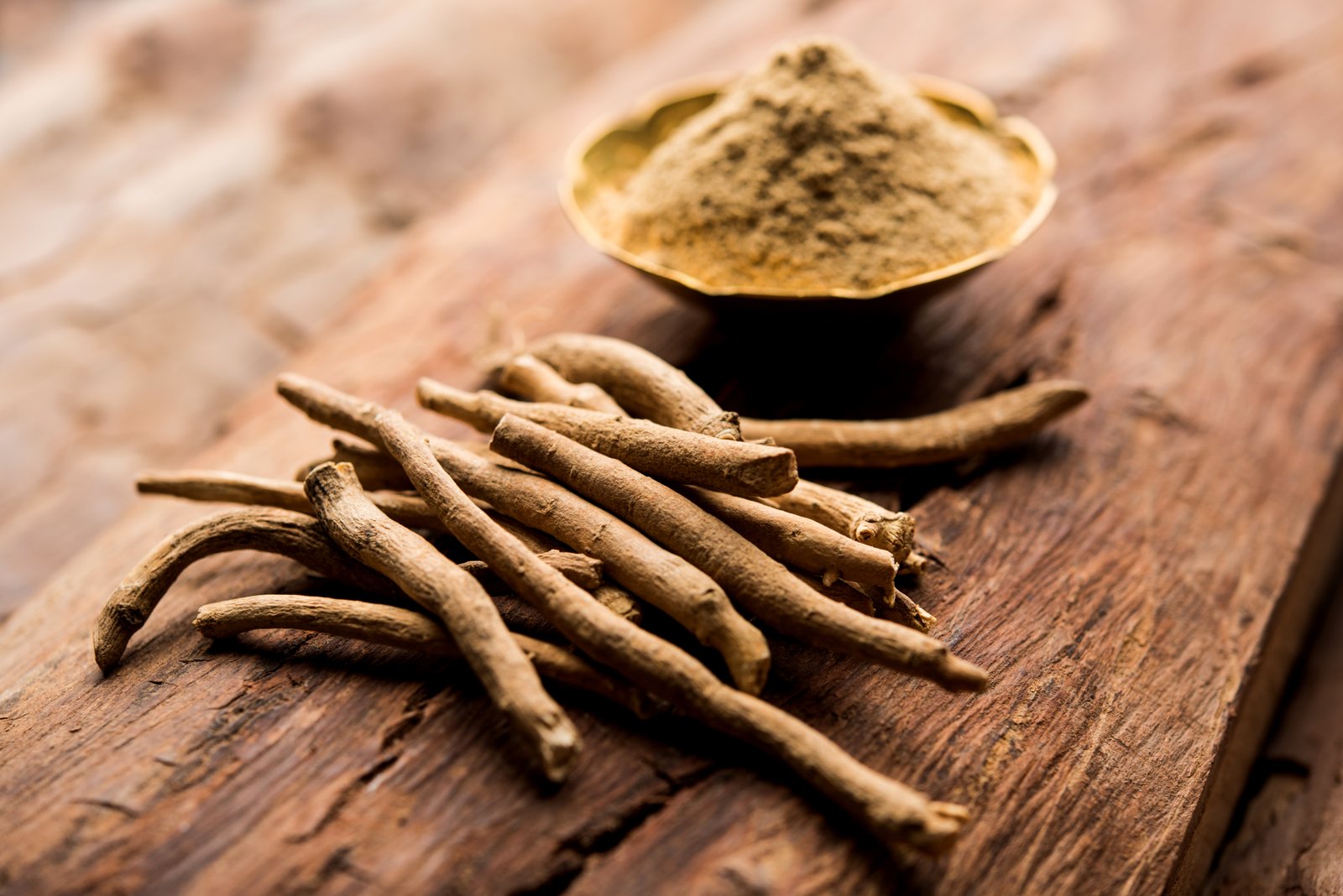
A total of 1,200 adults aged between 18 and 70 years participated in the trial. Participants had received either a first or second COVISHIELD dose or a booster and were randomly assigned to receive either 500 mg of a standardised aqueous Ashwagandha root extract daily or a matching placebo. The 500 mg extract was equivalent to about 4 grams of raw Ashwagandha root powder.
Participants received the intervention for 24 weeks and were subsequently followed until week 28. Overall, 1,032 participants, or 86 per cent of those enrolled, completed the trial. The researchers reported that the safety and tolerability profile of Ashwagandha was comparable to that of the placebo group.
Laboratory assessments included liver and kidney function parameters. The study found that measures such as liver enzymes, bilirubin, creatinine and blood urea remained within reported reference ranges, with no evidence that the intervention caused hepatic or renal injury.
Eight serious adverse events occurred during the study, but none was considered related to Ashwagandha. Six occurred among participants receiving the extract and two in the placebo group. The researchers also reported that adverse events were predominantly mild and gastrointestinal in nature, and none led to withdrawal from the trial.
The research was conducted by a multidisciplinary team involving experts in Ayurveda, clinical medicine, rheumatology and complementary and integrative health. The study was led by Dr Arvind Chopra of the Centre for Rheumatic Diseases in Pune, with researchers from institutions including the Central Council for Research in Ayurvedic Sciences, All India Institute of Ayurveda and other academic and clinical centres.
The Ministry of Ayush said the findings add to the scientific evidence concerning the safety and appropriate use of standardised Ayurveda interventions. Vaidya Rajesh Kotecha, Secretary, Ministry of Ayush, said high-quality clinical research could strengthen the evidence base for Ayurveda and contribute to its responsible use in contemporary healthcare.
The trial also assessed immune responses following vaccination. Virus-neutralising activity remained high in both groups, but the researchers did not find a statistically significant additional immunogenic effect from Ashwagandha. The study reported that the immune response was robust in both groups, making any additional effect difficult to establish.
The researchers noted that the study should not be interpreted as proof that Ashwagandha enhances vaccine-induced immunity. The study’s conclusion was that prolonged administration was safe and tolerable under the controlled conditions tested, while additional humoral immune benefit could not be demonstrated.
The researchers also acknowledged limitations, including the fact that participants were apparently healthy and that the trial did not assess cellular immune responses or several other proposed effects of Ashwagandha. They cautioned that the findings should not automatically be extrapolated to elderly people, immunocompromised individuals or those with other health conditions.
The study therefore provides evidence on the 24-week safety and tolerability of the specific standardised Ashwagandha preparation used in the trial, rather than establishing it as a treatment for disease or as an immunity-enhancing therapy.
(Disclaimer :The content of this article is sourced from a news agency and has not been edited by the Mavericknews30 team.)