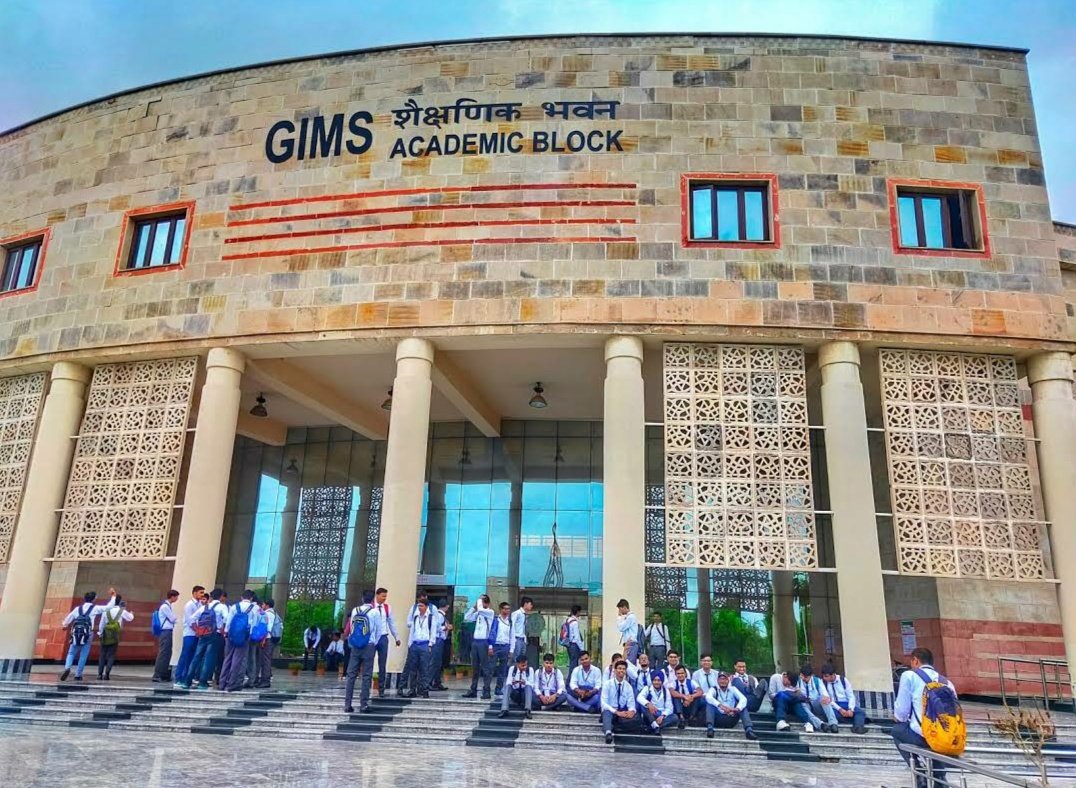
After AIIMS, Greater Noida’s Government Institute of Medical Sciences Becomes the First Government Medical Institution in UP to Adopt National Startup Policy
Yogi Government Moves to Develop Uttar Pradesh as a Hub for Medical Startups and Healthcare Innovation
Lucknow, November 2026 : In another significant step towards establishing Uttar Pradesh as a leading centre for medical education, research and technological innovation, the state government is opening new opportunities for doctors at the Government Institute of Medical Sciences (GIMS) to develop indigenous technologies and healthcare startups alongside their work in treatment and medical education.
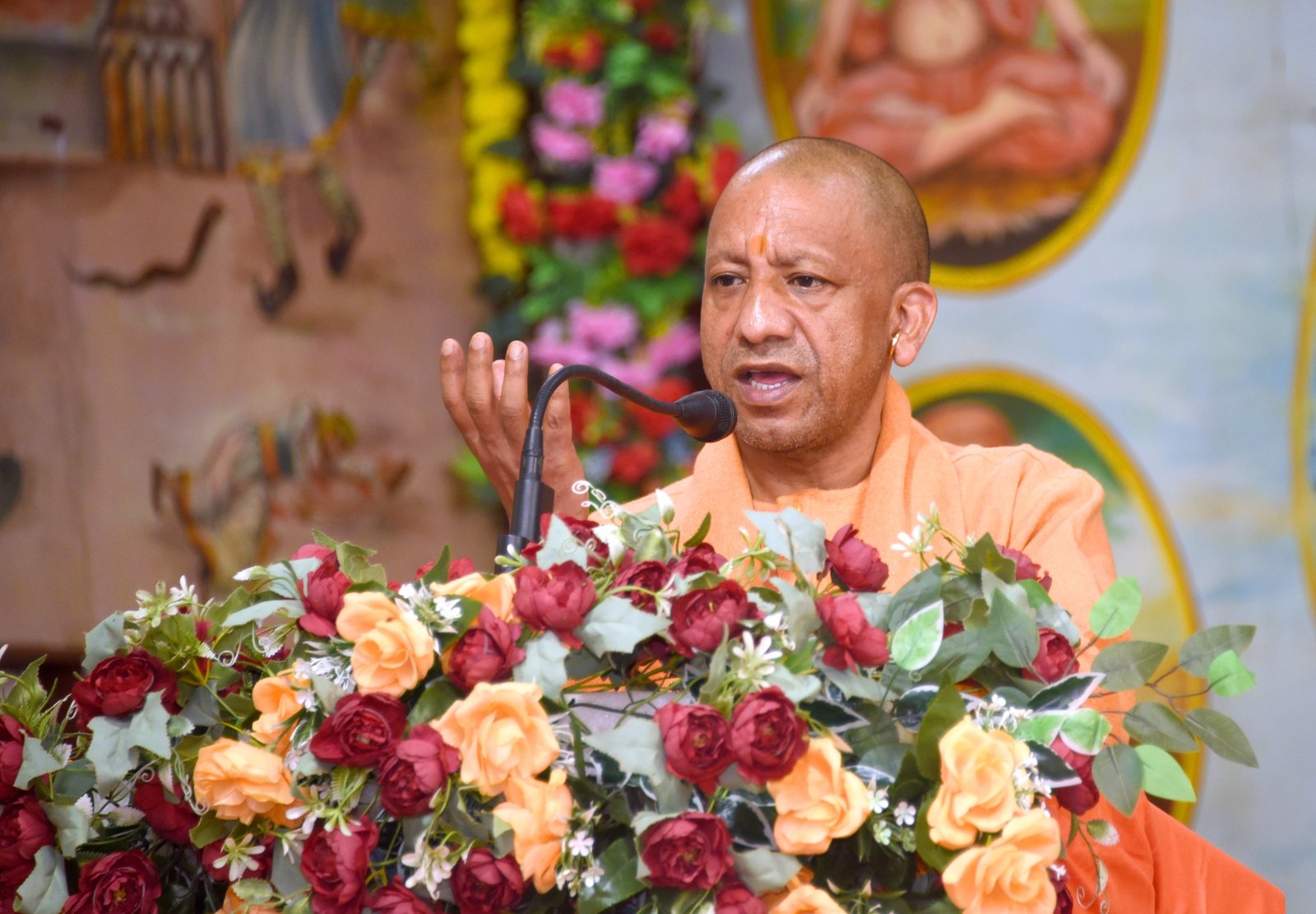
Under the leadership of Chief Minister Yogi Adityanath, GIMS in Greater Noida has decided to adopt the Government of India's National Innovation and Startup Policy 2019 for its faculty members and students. This is the first initiative of its kind by a government medical institution in Uttar Pradesh.
With this decision, GIMS has become the first government medical institution in the state to move towards adopting the national innovation and startup policy. The development comes approximately a week after the All India Institute of Medical Sciences (AIIMS), New Delhi, introduced its Faculty Entrepreneurship Policy.
The initiative seeks to connect medical education with innovation and entrepreneurship, potentially opening new opportunities in Uttar Pradesh's healthcare sector.
Medical Students and Doctors to Get Opportunities to Launch Startups
The National Innovation and Startup Policy aims to provide medical students, faculty members, doctors and researchers with institutional support to convert their ideas, research and clinical experience into technological innovations and startups.
The policy is expected to encourage the commercialisation of research, protection of intellectual property rights, technological entrepreneurship and the development of indigenous medical devices.
It will also create opportunities for doctors to move beyond being users of medical technology and become active participants in its conceptualisation, design, development and clinical validation.
The initiative will encourage collaboration between doctors, engineers, scientists and entrepreneurs to identify challenges emerging during patient treatment and develop practical solutions. This approach is expected to strengthen efforts to create indigenous medical equipment and healthcare technologies suited to India's specific healthcare requirements.
Medical Innovation Ecosystem Being Developed Under Yogi Government
GIMS has already been working towards developing a strong medical innovation ecosystem as part of efforts to integrate modern technology with medical education and healthcare services in the state.
Its existing initiatives include the Centre for Medical Innovation (CMI), the Department of Science and Technology-supported ITBI incubation initiative, BIRAC BioNEST under the Government of India's Department of Biotechnology, the STPI MedTech Centre of Excellence spoke centre and a Medical Incubation Centre under the Uttar Pradesh Startup Mission.
The adoption of the National Innovation and Startup Policy is expected to provide institutional support to these initiatives and expand research and entrepreneurship activities in the medical sector.
In line with the Yogi government's priorities, the initiative is aimed at promoting self-reliance in healthcare, developing indigenous technologies and encouraging innovation-driven enterprises. It is also expected to strengthen the national profile of medical institutions in Uttar Pradesh.
Medical Institutions Must Also Become Centres of Innovation: Brigadier Dr Rakesh Gupta
GIMS Director Brigadier Dr Rakesh Gupta described the Governing Body's approval of the National Innovation and Startup Policy 2019 as a forward-looking decision to promote innovation in medical education and healthcare services.
He said the role of medical institutions should not be limited to training doctors. They should also become centres for developing technologies and innovations capable of addressing real-world challenges in healthcare.
According to him, the policy will encourage students, faculty members and researchers to transform their ideas into practical solutions. He said GIMS was committed to developing a strong and collaborative innovation ecosystem.
Doctors to Become Partners in Medical Technology Development: Dr Rahul Singh
Dr Rahul Singh, CEO of the Centre for Medical Innovation at GIMS, described the decision as a historic opportunity in the fields of medical innovation and healthcare entrepreneurship.
He said medical students, doctors and faculty members should have opportunities to turn their clinical experience, research and ideas into startups and indigenous medical technologies.
Dr Singh said GIMS envisioned bringing doctors, engineers, scientists, researchers and entrepreneurs together on a common platform to develop medical devices and healthcare technologies suited to India's needs.
He added that the new policy would provide institutional strength to the medical innovation and incubation ecosystem already established at the institute.