New Delhi, Aug 2026 : Hindustan Aeronautics Limited (HAL) has revived production of the Su-30MKI fighter aircraft at its Nashik facility, marking a significant step in India’s efforts to strengthen its combat aviation capabilities and expand indigenous defence manufacturing.
The Nashik division, which has been associated with the licensed production of Russian-origin fighter aircraft for several decades, has already manufactured 222 Su-30MKIs for the Indian Air Force (IAF). Under a new programme, HAL is now scheduled to build 12 additional aircraft, with deliveries expected to be completed by 2029. The first of the new fighters is likely to roll out between 2027 and 2028.
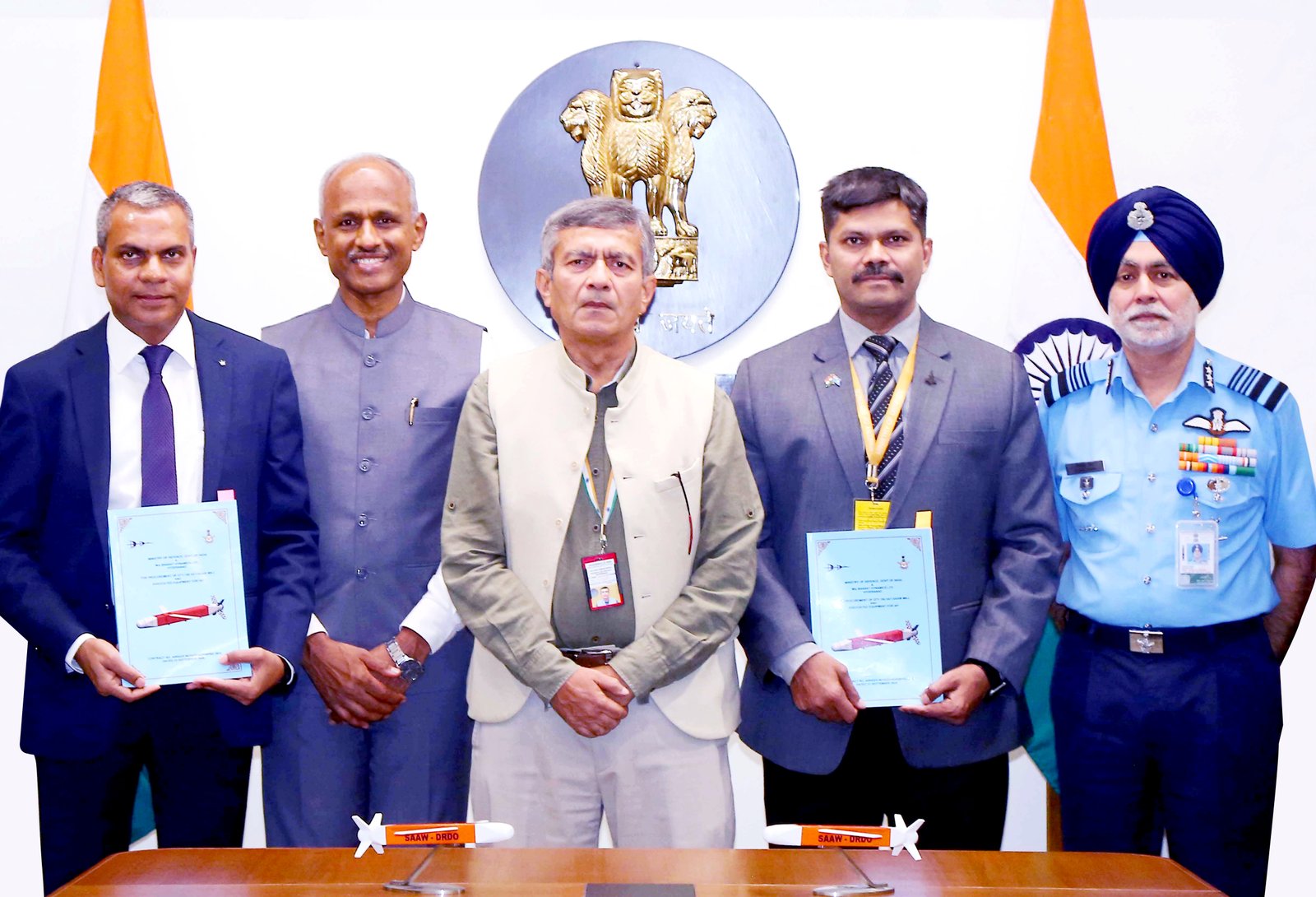
The decision follows a contract worth around ₹11,000 crore signed in December 2024 for the manufacture of 12 additional Su-30MKIs. The aircraft are intended to replace fighters lost in accidents and will incorporate more than 50 per cent indigenous content, reflecting the government’s continuing push towards self-reliance in defence production.
The revival of the Nashik production line is being accompanied by an ambitious modernisation programme for the existing Su-30MKI fleet. Estimated at around ₹60,000 crore, the upgrade programme is expected to be undertaken with support from the Defence Research and Development Organisation (DRDO) and participation from Indian private-sector defence companies.
The scale of the proposed investment underlines the continuing importance of the Su-30MKI, which forms the backbone of the IAF’s air-superiority and long-range strike capabilities. Rather than replacing the platform in the immediate future, India is seeking to significantly enhance its combat capabilities and extend its operational relevance.
The modernisation programme is expected to be implemented in two broad phases. The first phase will focus on upgrading the aircraft’s avionics, radar and electronic warfare capabilities. A new indigenous radar is expected to substantially improve detection and tracking ranges, allowing upgraded fighters to identify and engage targets from greater distances.
The aircraft will also receive a new electronic warfare suite designed to counter hostile radar systems, disrupt incoming threats and improve survivability in heavily contested airspace. Such capabilities are becoming increasingly important as modern battlefields incorporate sophisticated air-defence networks and electronic warfare systems.
The second phase is expected to focus on improvements to the aircraft’s flight-control systems, enabling the fighters to maintain agility and responsiveness in increasingly demanding combat environments.
The upgraded Su-30MKIs are also expected to receive advanced infrared search-and-track systems. These passive sensors would allow pilots to detect and track targets without depending entirely on active radar emissions. Such capabilities can provide an important tactical advantage in combat environments involving low-observable or stealth-oriented aircraft.
The combination of new production and fleet modernisation represents a two-pronged strategy for the IAF. While the 12 newly manufactured aircraft will help replenish squadron strength, the broader upgrade programme will transform existing fighters into significantly more capable platforms under the proposed “Super Sukhoi” standard.
The development also highlights the evolving role of HAL in India’s defence industrial ecosystem. The Nashik facility is continuing its association with the Su-30MKI while simultaneously contributing to the production of indigenous light combat aircraft, demonstrating the country’s attempt to balance licensed manufacturing with domestic technological development.
The modernisation of the Su-30MKI is expected to improve its compatibility with network-centric warfare by enhancing sensors, electronic warfare capabilities, communications and combat systems.
With the new aircraft and extensive upgrades being pursued simultaneously, India aims to ensure that its Su-30MKI fleet remains a credible and technologically relevant component of the IAF well into the next decade.
(The content of this article is sourced from a news agency and has not been edited by the Mavericknews30 team.)