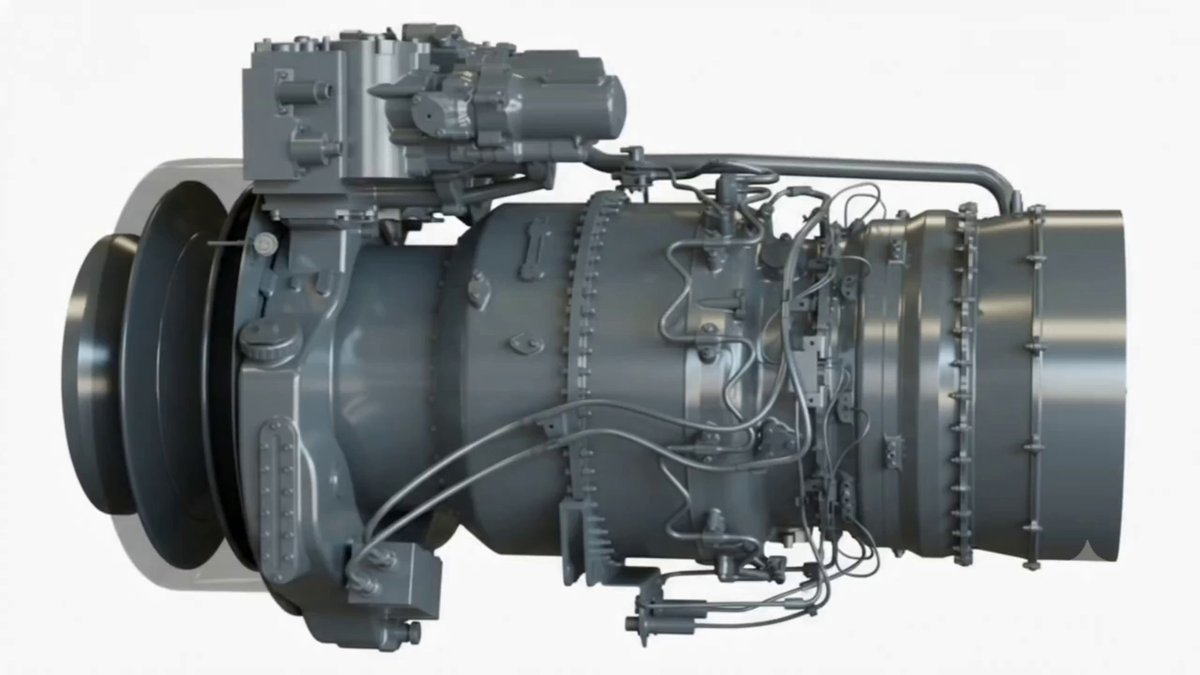
New Delhi, Sep 2026 : The HAL-Safran Aravalli engine is emerging as a significant milestone in India’s efforts to achieve greater self-reliance in helicopter propulsion, representing a shift from licensed production and modified foreign designs towards genuine co-development involving Indian engineers in critical engine technologies.
The engine is being developed by SAFHAL Helicopter Engines Pvt. Ltd., a 50:50 joint venture between Hindustan Aeronautics Limited (HAL) and Safran. It is intended to power HAL’s upcoming 13-tonne Indian Multi-Role Helicopter (IMRH) and its naval variant, the Deck-Based Multi-Role Helicopter (DBMRH), which are being developed to replace ageing Mi-17 and Sea King fleets.
The Aravalli programme is particularly important because it involves the development of a new powerplant rather than adapting an existing foreign engine for Indian requirements. Indian engineers are expected to participate in key areas including core architecture, hot-section design, high-pressure compressors, power turbines, accessory gearboxes and overall systems integration.
This direct involvement could help India build expertise and intellectual property in one of the most technically demanding areas of aerospace engineering.
From Foreign Engines to Co-Development
India has historically depended heavily on overseas propulsion technology for several helicopter programmes. Engines such as the Artouste, Astazou, Turmo and Arriel powered various helicopters used or produced in India, while the Shakti engine used on the Dhruv family was developed through cooperation between HAL and Safran.
The Aravalli programme seeks to take this relationship to a different level by involving Indian engineers in the design and development process from the outset.
The engine is intended to belong to the high-power turboshaft category required for a 13-tonne-class helicopter. The programme therefore has implications not only for the IMRH and DBMRH but also for India’s longer-term ability to design and manufacture advanced helicopter engines.
Safran Helicopter Engine Evolution
| Engine | Shaft HP | Approx. Dry Weight | Year | Key Applications |
|---|---|---|---|---|
| Artouste | 400–550 | ~115–140 kg | 1956 | Alouette-II, Alouette-III, HAL Chetak, HAL Cheetah |
| Astazou | 520–1,000 | ~115–150 kg | 1957 | Gazelle, Alouette-III, SA 360 Dauphin |
| Turmo | 1,200–1,600 | ~220–240 kg | 1962 | SA 330 Puma, SA 321 Super Frelon |
| Arriel | 590–1,000 | ~109–130 kg | 1974 | Airbus H125, H130, H145, Sikorsky S-76C, Leonardo A109, HAL Cheetal |
| Makila | 1,800–2,100 | ~278–305 kg | 1978 | H225/H225M Super Puma, AS532 Cougar, Denel Rooivalk |
| Arrius | 450–750 | ~90–115 kg | 1981 | H120, H135, Bell 505, Leonardo AW109, Kamov Ka-226T |
| TM333 | 750–1,100 | ~165 kg | 1981 | HAL Dhruv, HAL Chetak and early Cheetal applications |
| RTM322 | 2,100–2,600 | ~228–260 kg | 1987 | NH90, AW101, WAH-64 Apache |
| MTR390 | 1,250–1,450 | ~169 kg | 1991 | Eurocopter Tiger |
| Ardiden/Shakti | 1,400–2,000 | ~205–225 kg | 2007 | HAL Dhruv, Rudra, LCH Prachand, LUH |
| Aneto | 2,500–3,000 | ~300–330 kg | 2017 | Leonardo AW189K, AW149 |
| Arrano | 1,100–1,300 | ~135–145 kg | 2019 | Airbus H160 |
| Aravalli | ~2,500–3,000* | Under development | 2026 JV | HAL IMRH and future applications |
*Power figures for the Aravalli programme may evolve as development progresses.
The manufacturing of the Aravalli engine is planned at HAL’s Tumkur facility in Karnataka. The programme is expected to incorporate advanced design methodologies, modern production processes and comprehensive testing facilities.
Beyond initial production, the partnership is expected to provide lifecycle support, with an emphasis on reliability, maintainability and long-term serviceability.
Supporting the IMRH and Naval Helicopter Programme
The IMRH is being developed as a versatile medium-lift helicopter for multiple roles. It is expected to support troop transport, utility operations, logistics and combat-support missions for India’s armed forces.
Its naval derivative, the DBMRH, is intended for operations from warships and could strengthen the Indian Navy’s maritime reach and helicopter-based capabilities.
The two platforms are expected to play an important role in replacing ageing fleets. Their development also creates a requirement for a reliable domestic propulsion system capable of meeting demanding operational conditions.
The Aravalli engine could therefore become one of the key enabling technologies behind India’s next generation of military helicopters.
The engine may also eventually find applications beyond military aviation. A powerplant in this class could potentially support civil roles such as offshore transportation, utility operations and specialised or VVIP missions, depending on future certification and platform requirements.
Building an Indigenous Aerospace Ecosystem
The impact of the Aravalli project could extend beyond HAL and Safran. Development and production of an advanced turboshaft engine require a broad industrial ecosystem involving precision machining, specialised materials, castings, component manufacturing, testing and maintenance, repair and overhaul capabilities.
Greater domestic participation in these areas could strengthen India’s wider aerospace manufacturing base and reduce dependence on imported components.
The programme is expected to be completed around 2032-33, broadly aligning with the anticipated timelines for future helicopter induction. While the financial value of the project has not been publicly disclosed in the source material, the strategic value could extend well beyond the initial investment.
Developing domestic expertise in helicopter propulsion could reduce India’s long-term exposure to imported engines and create a technological foundation for future aero-engine programmes.
A Strategic Shift in Propulsion
The Aravalli programme also carries significance because India has faced longstanding challenges in developing advanced indigenous aero-engines. The Kaveri programme, although instrumental in building expertise, highlighted the technological difficulties involved in developing high-performance aviation engines without access to critical technologies and established industrial capabilities.
The HAL-Safran partnership provides an alternative pathway by combining Safran’s experience in helicopter propulsion with Indian engineering, manufacturing and systems capabilities.
Named after the Aravalli mountain range, one of the world’s oldest mountain systems, the engine’s identity reflects themes of strength and resilience.
For India, however, the larger significance lies in what the programme could deliver technologically. The Aravalli is intended not merely to provide an engine for a single helicopter but to help create domestic capabilities in designing, producing, integrating and maintaining advanced turboshaft propulsion systems.
If the programme meets its objectives, it could mark an important transition in India’s aerospace journey—from assembling or producing engines based on foreign technologies to participating substantially in their design and development.
Ultimately, the Aravalli engine could become a strategic enabler for India’s helicopter ambitions, supporting the IMRH and DBMRH while strengthening the country’s aerospace industrial base. More importantly, the knowledge and capabilities developed through the programme could provide a foundation for future indigenous propulsion projects and advance India’s broader goal of achieving greater propulsion sovereignty.
(Disclaimer :The content of this article is sourced from a news agency and has not been edited by the Mavericknews30 team.)