India plans to establish a second fighter aircraft production line to reduce dependence on a single manufacturing facility and expand domestic defence production, Defence Secretary Rajesh Kumar Singh has said. The government is also seeking multiple missile and drone manufacturers, greater private-sector participation and higher domestic content in major defence procurements as part of its broader push for self-reliance in military manufacturing.
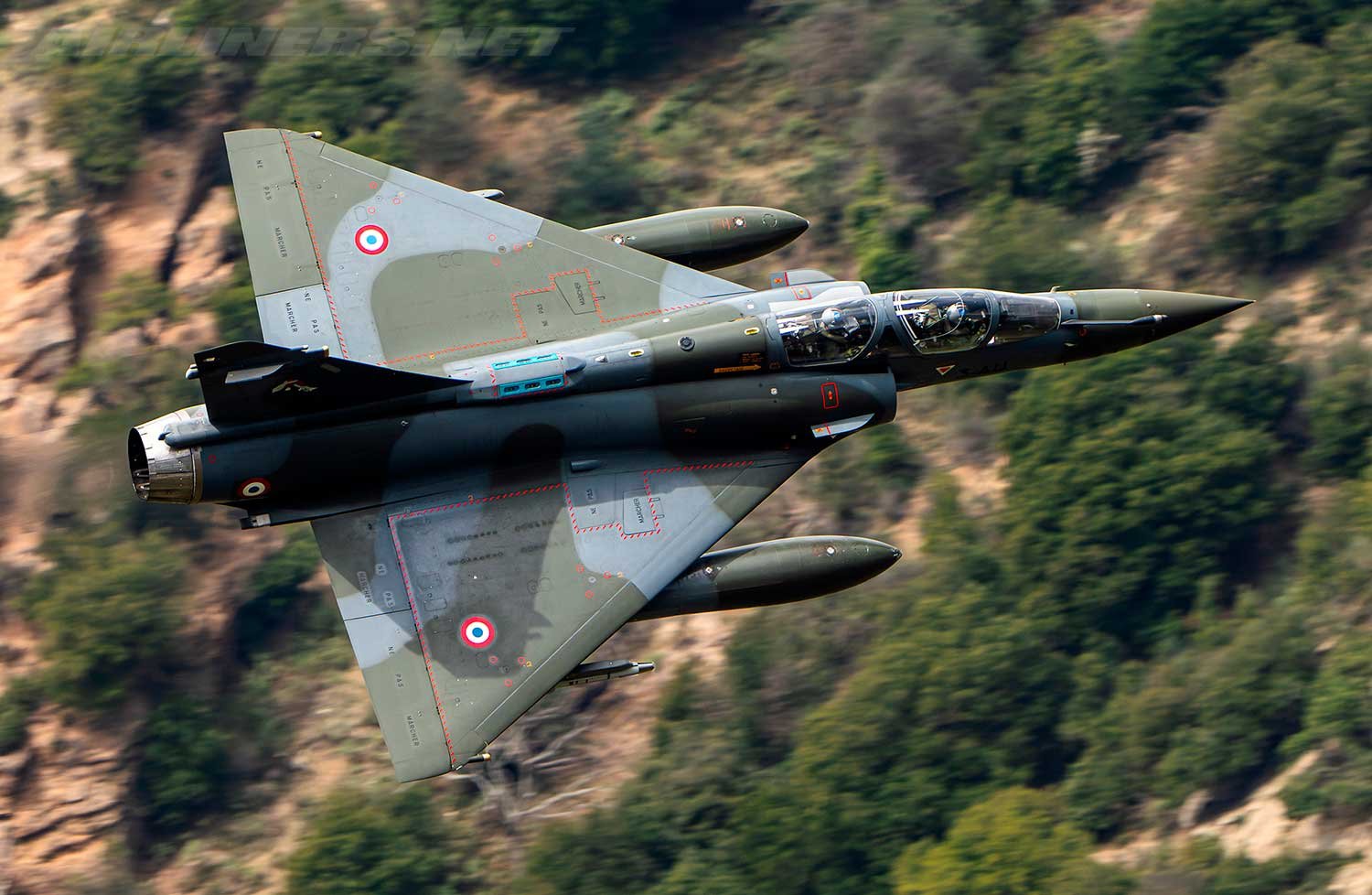
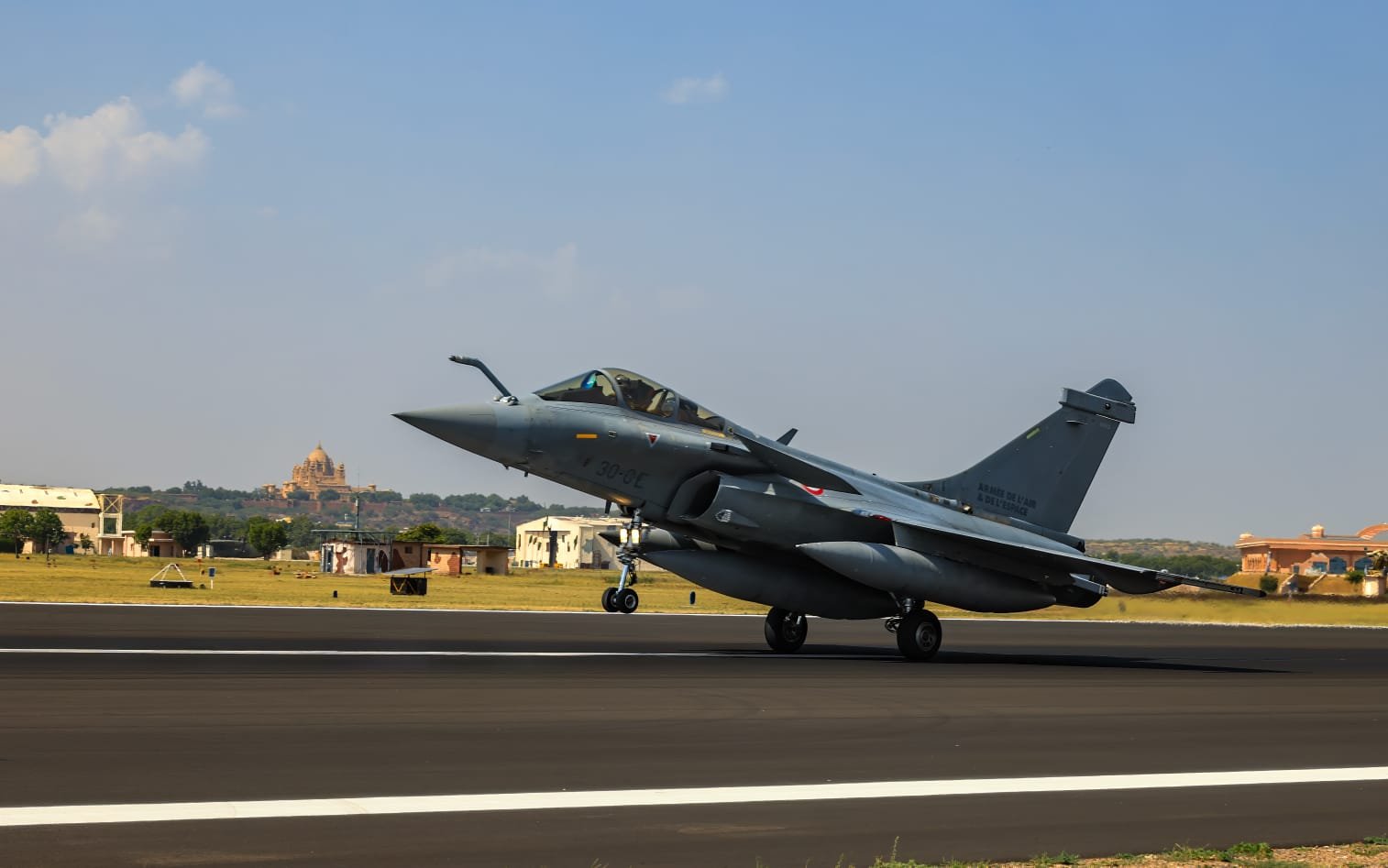
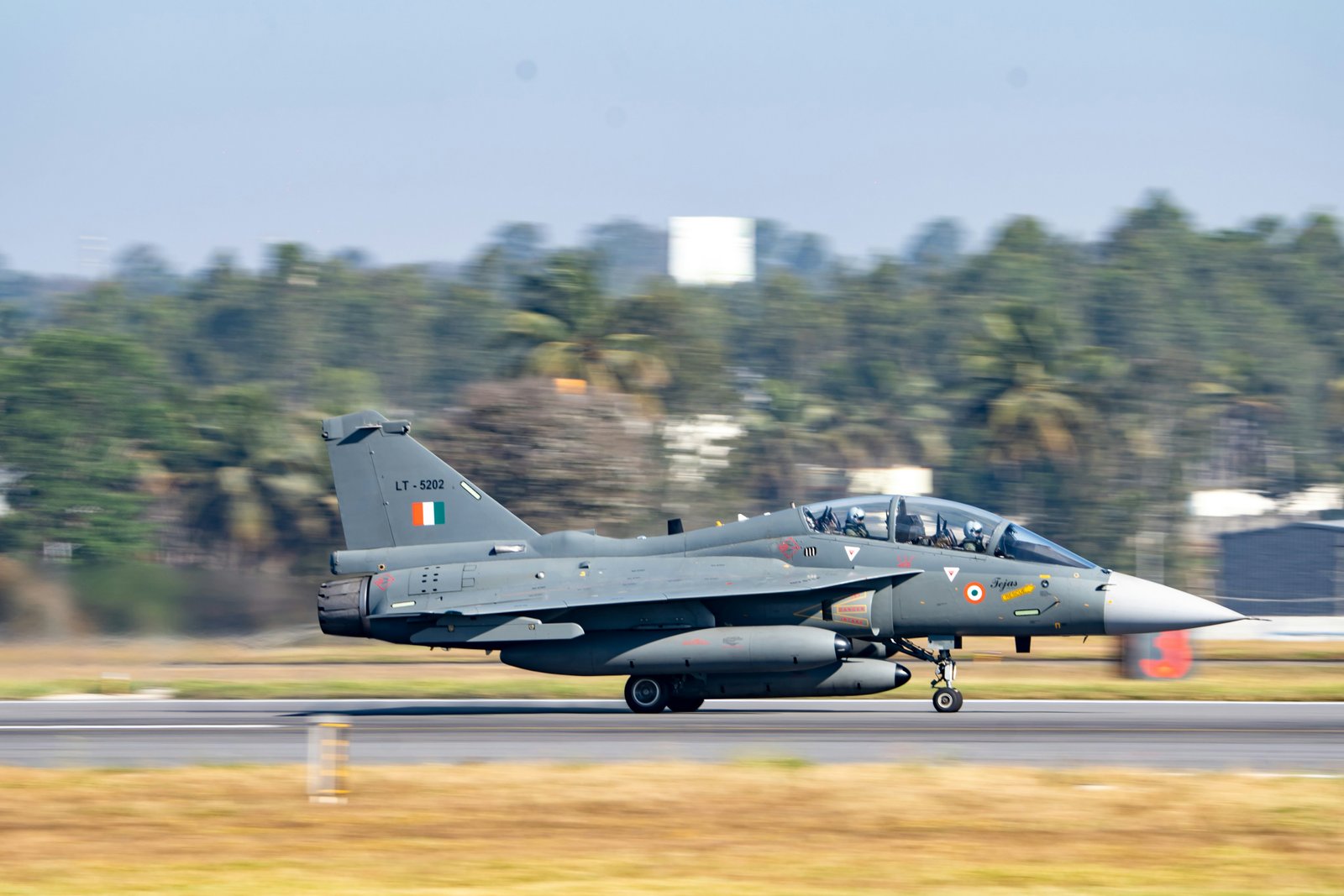
New Delhi, Sept 2026 : India is looking to establish a second fighter aircraft production line as part of efforts to expand manufacturing capacity, reduce dependence on a single facility and build a more diversified domestic defence industrial base, Defence Secretary Rajesh Kumar Singh has said.
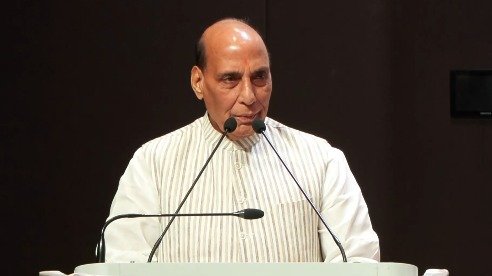
Speaking at an event organised by the Public Affairs Forum of India, Singh said relying on only one fighter aircraft production line could expose the country to delays and production constraints. He indicated that India should eventually have at least two, and potentially three, fighter production lines to meet its long-term requirements.
The move comes as the government seeks greater private-sector participation in the development and manufacture of advanced combat aircraft. Proposals from three shortlisted companies are currently being evaluated for the Advanced Medium Combat Aircraft (AMCA) programme, according to the report cited in the source material.
The planned expansion of fighter production is part of a wider effort to create multiple sources of supply across critical defence segments. Singh said India also needs several missile manufacturers instead of relying heavily on a single public-sector enterprise.
He indicated that the country should aim for around half a dozen missile producers and hundreds of drone manufacturers. The government is also opening ammunition and propellant manufacturing to a larger number of private companies, with the objective of expanding production capacity and reducing dependence on individual suppliers.
The approach reflects a broader shift towards building a deeper defence manufacturing ecosystem rather than relying on a limited number of large producers.
India's defence production has expanded significantly in recent years. According to government data, annual defence production reached a record Rs 1.78 lakh crore in 2025-26, up 15.6 per cent from Rs 1.54 lakh crore in the previous financial year. The private sector accounted for around 24 per cent of total production, with public-sector entities contributing the remaining share.
Defence exports have also recorded substantial growth. Government data shows exports reached a record Rs 38,424 crore in 2025-26, compared with Rs 686 crore in 2013-14. Indian defence products are now being exported to more than 80 countries, with the number of registered defence exporters rising to 145 during 2025-26.
Singh said India has achieved considerable self-reliance in areas including land systems, artillery, small arms and military vehicles. However, certain aerospace platforms and advanced technologies continue to involve foreign technology and external dependencies.
The government therefore wants future major acquisitions involving foreign technology to include a substantial Indian manufacturing and industrial participation component. Fighter aircraft and the C-295 transport aircraft were cited as examples where domestic manufacturing and wider participation by Indian industry would be important.
The push is backed by a significant increase in defence capital spending. The Union Budget for 2026-27 allocated Rs 2.19 lakh crore under the capital head, while Rs 1.85 lakh crore has been earmarked for capital acquisition. The government has also earmarked Rs 1.39 lakh crore, or 75 per cent of the Capital Acquisition Budget, for procurement from domestic industries.
Singh also highlighted India's growing defence export potential, noting that around 145 Indian companies are now exporting military equipment. These exports range from bulletproof jackets and ballistic helmets to more sophisticated systems, including BrahMos missiles and Akash surface-to-air missile systems.
He said cost competitiveness could provide Indian manufacturers with an advantage in the international market, particularly in areas such as missiles and artillery. While he cautioned that production costs would vary across products, he suggested that Indian systems could be competitive against offerings from foreign original equipment manufacturers.
India has set a target of Rs 50,000 crore in annual defence exports by 2029, alongside a target of Rs 3 lakh crore in annual defence production. Government data shows the country has already reached Rs 38,424 crore in exports during 2025-26.
On procurement policy, Singh said the government was making it increasingly difficult for the armed forces to opt for outright imports where an Indian alternative or a collaborative manufacturing model could be developed. Procurement proposals are expected to explain why an imported system cannot be replaced by a buy-and-make arrangement involving Indian industry.
The Defence Secretary also discussed the changing nature of warfare and the growing importance of unmanned and long-range systems. He said the number of active conflicts worldwide was at its highest level since the Second World War and suggested that long-range weapons, stand-off systems and drones would play an increasingly important role in the initial stages of future conflicts.
Air defence is also expected to assume greater importance as militaries deploy increasing numbers of missiles, drones and other aerial threats. At the same time, Singh said tanks and armoured platforms would continue to have a role during later stages of combat.
India already has the technological capability to integrate unmanned systems with armoured platforms. The move towards tanks equipped with unmanned systems reflects the growing emphasis on human-machine teaming and networked warfare.
The government's broader objective is to establish a diversified defence manufacturing ecosystem capable of producing fighter aircraft, missiles, drones, ammunition, armoured vehicles and other complex military systems at scale.
The proposed second fighter production line, alongside efforts to expand the number of missile, drone and ammunition manufacturers, is intended to provide greater industrial capacity and supply-chain resilience while strengthening India's push towards domestic defence manufacturing.
(Disclaimer :The content of this article is sourced from a news agency and has not been edited by the Mavericknews30 team.)