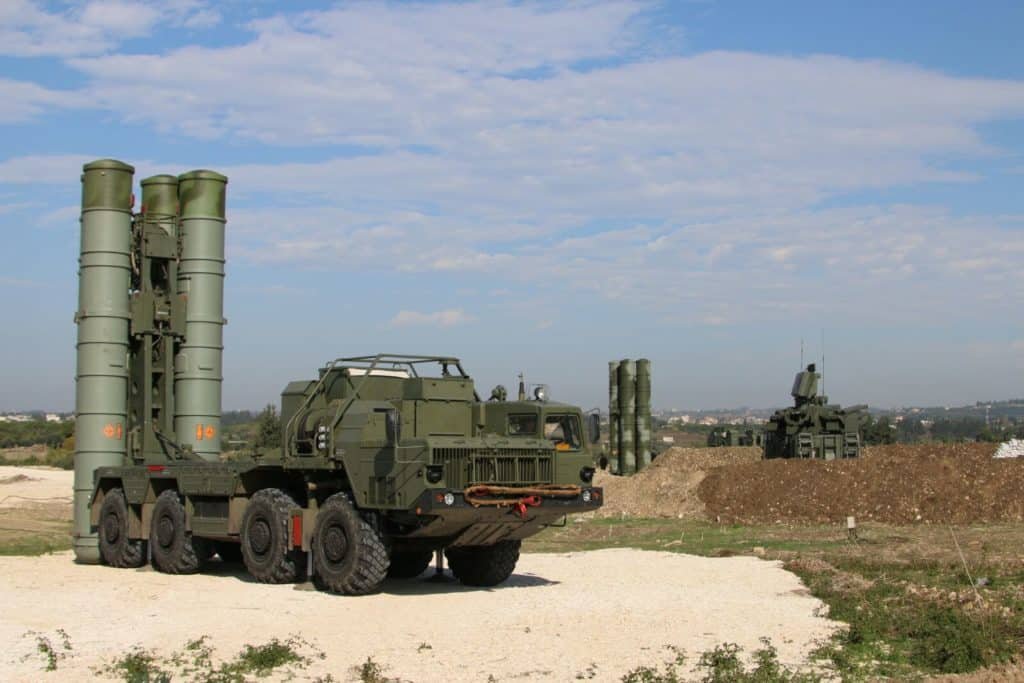
New Delhi, Sep 2026 : India’s proposed acquisition of five additional S-400 Triumf air defence systems from Russia has moved closer to the negotiation stage, with Moscow submitting a Bill of Quantities proposal detailing the estimated cost of construction and materials for the systems.
The submission is expected to pave the way for formal price negotiations between India and Russia. Once the cost is finalised and the required financial clearance is obtained, the acquisition proposal will be placed before the Cabinet Committee on Security (CCS) for approval.
India had earlier signed a contract with Russia in 2018 for five S-400 systems at a reported cost of $5.43 billion, equivalent to around Rs 45,000 crore at the prevailing exchange rates. The final system under that agreement is scheduled to be delivered to India by November this year.
The proposed purchase of five more systems is aimed at further strengthening India’s layered air defence architecture amid evolving security challenges along its northern and western borders. The additional S-400 units would expand India's ability to detect and engage aircraft, drones and other aerial threats at extended ranges.
The fifth S-400 system acquired under the 2018 agreement is expected to be deployed in India's eastern sector, facing China. The additional systems would subsequently provide greater coverage across strategically important areas and strengthen the country's overall air defence network.
The development comes against the backdrop of China's growing deployment of fifth-generation J-20 fighter aircraft at airbases in Tibet. The Indian Air Force has been closely monitoring the deployment of these advanced aircraft at locations including Hotan, Lhasa and Nyingchi under the People's Liberation Army's Western Theatre Command.
Meanwhile, authoritative sources have clarified that India has not taken any decision to acquire two squadrons of Russia's fifth-generation Su-57 fighter aircraft, despite reports suggesting otherwise. The Indian Air Force has, however, shown interest in Moscow's proposal, particularly as India assesses the evolving aerial threat environment along its borders.
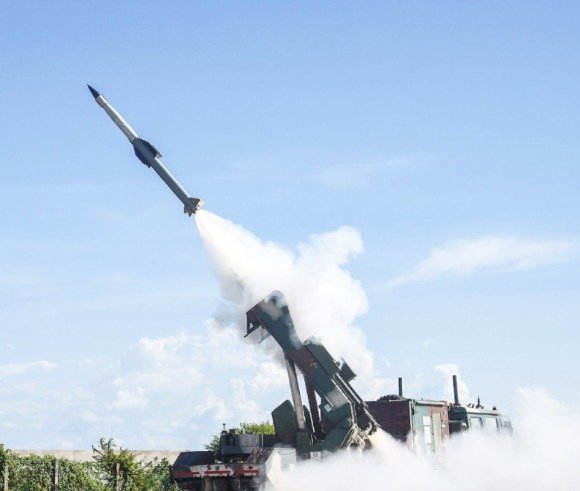
The S-400 has already become a key component of India's integrated air defence network. The system was deployed operationally during heightened tensions with Pakistan and has been regarded by Indian defence planners as an important long-range capability capable of engaging high-value aerial targets.
Its operational performance during Operation Sindoor in May 2025 further highlighted the importance attached to long-range air defence. The S-400, along with indigenous systems such as the Akash, formed part of India's broader effort to protect critical military installations and airspace during the confrontation.
The reported effectiveness of the system during the operation has reinforced its role as a major deterrent. Indian defence planners have subsequently continued to focus on creating a layered network combining long-, medium- and short-range systems, supported by radar and other surveillance assets.
The proposed additional S-400 acquisition is also expected to feature in the broader strategic discussions between India and Russia. Russian President Vladimir Putin is scheduled to attend the BRICS Summit in New Delhi from September 11 to 13, with defence and strategic cooperation likely to remain an important area of bilateral engagement.
Beyond the S-400, India and Russia are also exploring cooperation in advanced missile technologies, including the development and sharing of technologies related to hypersonic weapons.
India's decision to pursue five additional S-400 systems reflects both immediate operational requirements and longer-term strategic planning. The systems would complement India's growing indigenous air defence capabilities and provide an additional layer of protection against aircraft, cruise missiles and other aerial threats.
At the same time, India is pursuing domestic alternatives through initiatives such as Project Kusha, which seeks to develop long-range air defence capabilities under the broader Make-in-India framework.
The combination of imported systems such as the S-400 and indigenous programmes is intended to create a more comprehensive and resilient air defence shield. If approved after cost negotiations and financial clearance, the additional five S-400 systems would represent a significant expansion of India's ability to counter emerging aerial threats and strengthen deterrence along its key strategic frontiers.
Disclaimer: This review is based on the reviewer’s individual perspective. Audience opinions may vary.