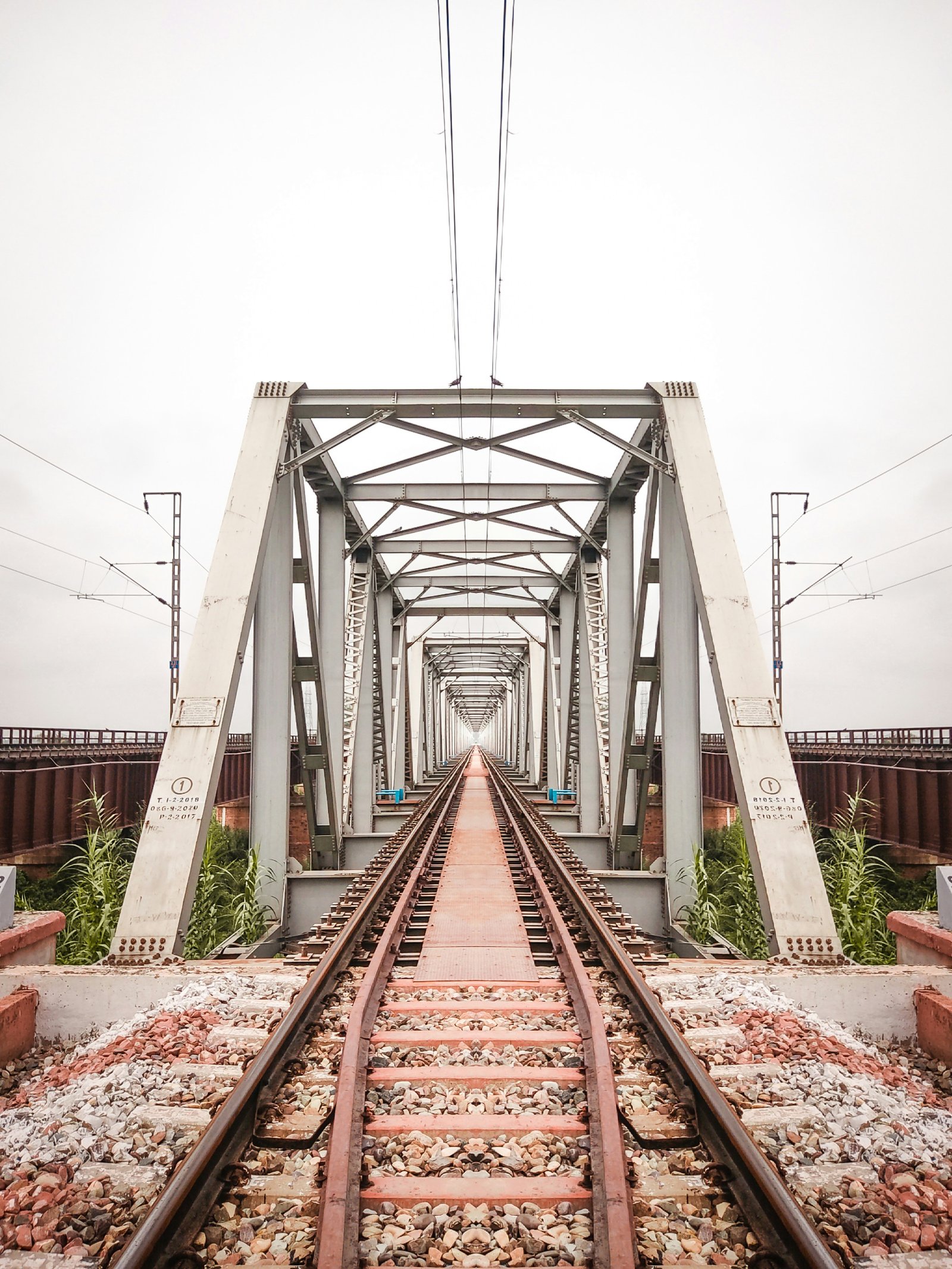
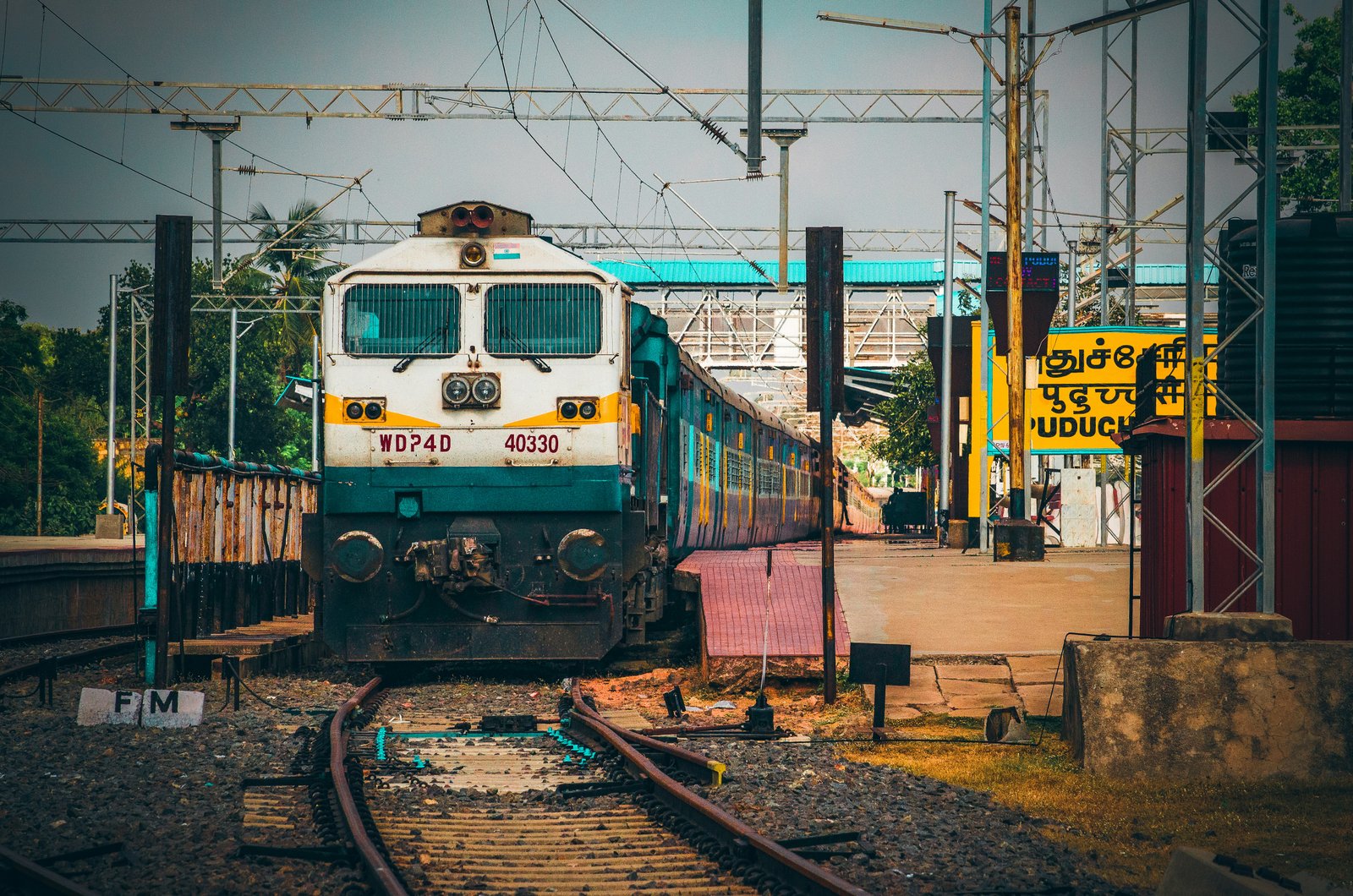
New Delhi, Aug 2026 : The Indian Railways has emerged as a major focus of alleged Pakistan-backed espionage and terror activities, with intelligence agencies warning of attempts to gather sensitive information about railway infrastructure and potentially exploit the network to create panic, according to an intelligence assessment.
Security agencies have reportedly detected a shift in the pattern of activities linked to elements backed by Pakistan’s Inter-Services Intelligence (ISI). While the railway network has historically remained vulnerable to terrorist threats, officials said recent intelligence inputs and investigations indicate a more coordinated effort to collect information about railway infrastructure, security arrangements and passenger movement.
An Intelligence Bureau official said the ISI has traditionally concentrated its espionage activities on the Indian military and the railways. However, recent investigations suggest that information being sought about railway infrastructure has increased substantially.
According to officials, espionage related to the armed forces is largely aimed at building a long-term intelligence picture of troop movements, logistics and military capabilities. The objective is reportedly to provide Pakistan’s military with an informational advantage rather than necessarily prepare for an immediate attack.
The approach towards the railway network, however, is being viewed differently by security agencies. Officials believe that information collected about railway stations, infrastructure and movement patterns could potentially be used to plan attacks or disrupt operations.
The railway system is considered critical to India's transportation network, carrying millions of passengers and large quantities of freight every day. Any disruption could therefore have consequences extending beyond the immediate location of an incident.
Hoax Calls Seen as a Potential Threat
Security officials have also flagged the possibility of psychological operations involving false information and hoax threats. According to the intelligence assessment, terror modules may not always seek to carry out a physical attack. False alarms at crowded railway stations could themselves trigger panic and create dangerous situations.
Officials said some individuals may have been recruited specifically to make hoax calls or circulate false information about suspected threats.
A senior official pointed out that a fabricated warning at a busy railway station could lead to sudden crowd movement, confusion and, in extreme circumstances, a stampede. Security agencies are therefore treating misinformation and hoax alerts as a potential component of the broader threat.
Multiple Terror Networks Under Watch
Investigators have also alleged that the ISI-backed strategy extends beyond Islamist terror organisations. According to officials, cadres associated with Babbar Khalsa International (BKI) have also allegedly been directed to target railway infrastructure.
Officials said the suspected targets vary geographically. Railway stations and infrastructure in Punjab and Haryana are reportedly a focus in connection with BKI-linked modules, while Delhi, Mumbai and other major urban centres are being monitored in relation to other suspected networks.
Security agencies believe that planning and surveillance linked to the railway network may have been underway for about a year.
Surveillance Activity Intensifies
Investigations have reportedly revealed a significant increase in surveillance of railway infrastructure during the past year. Recruits allegedly approached by handlers were initially tasked with visiting railway stations and gathering basic information.
Their activities reportedly included photographing important locations, studying security arrangements and identifying vulnerable areas before passing the information to their handlers.
Officials said some recruits were allegedly prepared to undertake such assignments for relatively small payments, reportedly starting at around Rs 3,000.
The surveillance reportedly later became more sophisticated. Investigators have alleged that recruits were instructed to install solar-powered CCTV cameras at selected locations to provide remote access to live images from railway stations.
According to officials, individuals involved in installing such equipment were allegedly paid between Rs 5,000 and Rs 10,000 per camera.
The allegations are being examined as part of wider investigations into suspected espionage networks and their possible links to handlers operating from outside India.
Security Tightened Ahead of Independence Day
The intelligence inputs have prompted heightened vigilance around railway infrastructure, particularly in Delhi and adjoining areas, officials said.
Security agencies are already maintaining enhanced surveillance across the national capital ahead of Independence Day celebrations. Railway stations, transport hubs and other crowded public locations traditionally receive additional security attention during this period.
Officials have warned that hostile groups could attempt to exploit the heightened security requirements associated with Independence Day events by seeking to divert security resources or create confusion elsewhere.
The agencies are consequently monitoring suspicious activity around railway stations and increasing coordination between intelligence, police and railway security personnel.
The assessment also highlights the importance of distinguishing between genuine threats and deliberately fabricated warnings. Security agencies have advised authorities to respond rapidly to credible intelligence while preventing unverified information from generating unnecessary panic.
The latest intelligence inputs have placed the railways firmly among the critical infrastructure sectors requiring heightened protection. With the network serving as a lifeline for passenger and freight movement across the country, agencies are focusing not only on preventing physical attacks but also on countering surveillance, espionage, misinformation and attempts to exploit vulnerabilities in the system.
Officials stressed that investigations remain ongoing and that security agencies are working to identify suspected modules, trace their handlers and prevent any attempt to compromise railway infrastructure.
(The content of this article is sourced from a news agency and has not been edited by the Mavericknews30 team.)