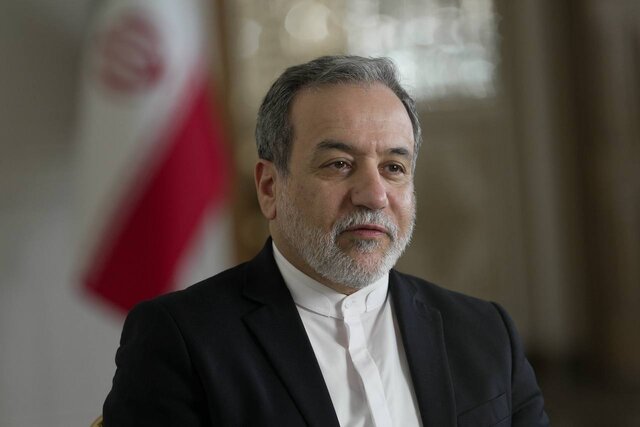
Foreign Minister Abbas Araghchi says Tehran has conveyed its conditions through intermediaries, linking the reopening of the key energy corridor to renewed negotiations with Washington.
Iran has proposed a seven-day roadmap to the United States under which Tehran would reopen the Strait of Hormuz and resume broader negotiations, including talks on its nuclear programme, if Washington meets specified conditions. Iranian Foreign Minister Abbas Araghchi said the proposal was conveyed through intermediaries and broadly mirrors a June understanding between the two countries. Washington has yet to publicly accept Tehran’s terms.
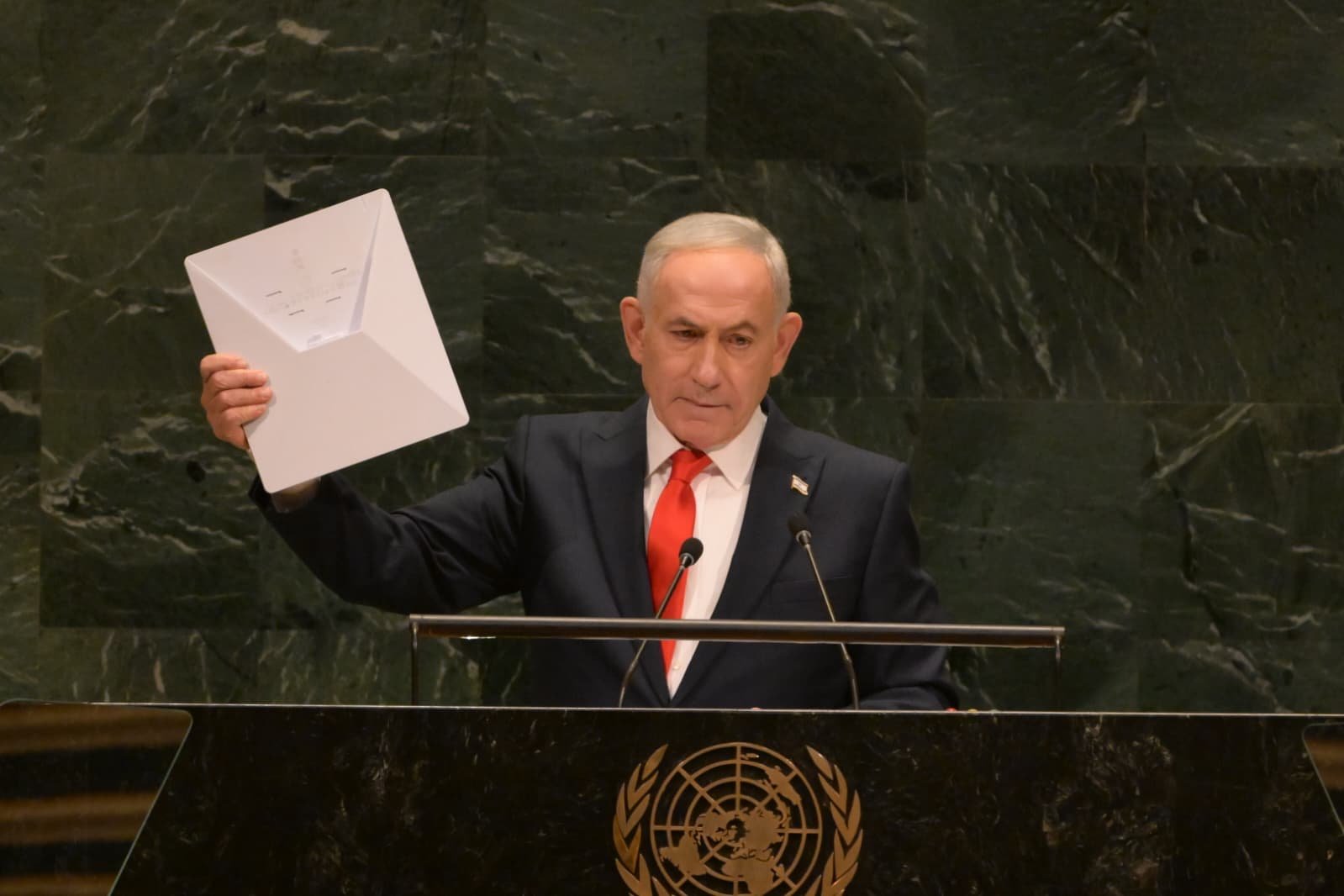
Washington, Sept 2026 : Iran has presented the Trump administration with a seven-day proposal aimed at reopening the Strait of Hormuz and restarting negotiations to end the broader conflict, Iranian Foreign Minister Abbas Araghchi said on the sidelines of the United Nations General Assembly in New York.
Araghchi said Tehran had conveyed the proposal to US officials through intermediaries this week. Under the plan, Iran would reopen the strategic waterway by the end of the seventh day if certain conditions were met, after which comprehensive negotiations would resume.
The proposal comes as the conflict enters its seventh month and as the Strait of Hormuz remains a major focus of international concern because of its importance to global energy supplies. Iran’s latest initiative could provide a new diplomatic channel, although it remains unclear whether Washington will accept Tehran’s conditions.
Araghchi said the proposed terms were broadly similar to a memorandum of understanding reached between Iran and the United States in June.
“The conditions we asked are nothing new,” he said, according to reports.
The foreign minister said Iran had communicated what it considered reasonable conditions for restoring diplomacy. Recent reports indicate that Tehran has linked the reopening of the waterway to measures including an easing of US military pressure and economic restrictions.
The Strait of Hormuz, located between Iran and Oman, is one of the world’s most important energy chokepoints. Disruption to shipping through the waterway has affected oil and other energy markets, raising concerns about the impact on global supplies, transportation costs and inflation.
Iran has maintained that management of the waterway falls under its responsibility, while the United States and regional partners have rejected Tehran’s claims of exclusive control. Previous disruptions to shipping have sharply reduced traffic through the strait and contributed to volatility in energy markets.
The diplomatic initiative follows President Donald Trump’s address to the UN General Assembly earlier this week, during which he demanded that Iran agree to an arrangement to end the conflict. Iran’s delegation walked out during his speech.
Iranian President Masoud Pezeshkian, addressing the General Assembly on Wednesday, said Tehran remained prepared for dialogue but would not negotiate under military pressure.
“Iran must be powerful so as to avoid being threatened, to avoid its future being threatened,” Pezeshkian said. He added that Iran was ready for “dialogue and diplomacy and negotiations” without accepting the language of force.
The nuclear issue remains central to the dispute. Trump has said US military intervention alongside Israel was intended to prevent Iran from developing nuclear weapons. Tehran, however, has repeatedly maintained that it does not seek nuclear weapons and retains the right to pursue peaceful nuclear technology.
Pezeshkian argued that Iran should not be forced into negotiations through military action, warning that a world governed solely by the language of war and coercion would remain unsafe.
Araghchi has also said Iran’s latest initiative could pave the way for comprehensive negotiations on its nuclear programme. The precise sequencing of the proposed seven-day process and the conditions attached to it, however, have not been publicly detailed in full.
Iran has indicated that reaching an agreement before the US midterm elections would be preferable.
The latest proposal therefore places the reopening of the Strait of Hormuz and the resumption of US-Iran negotiations within a single diplomatic framework. Whether the initiative progresses will depend largely on Washington’s response to Tehran’s conditions and on whether both sides can bridge their differences over military pressure, sanctions, the waterway and Iran’s nuclear activities.
(Disclaimer :The content of this article is sourced from a news agency and has not been edited by the Mavericknews30 team.)