Washington, Aug 2026 : Iran and Oman have reached an understanding on shipping routes through the strategically important Strait of Hormuz, although technical discussions are continuing and a broader framework governing maritime traffic has yet to be finalised.
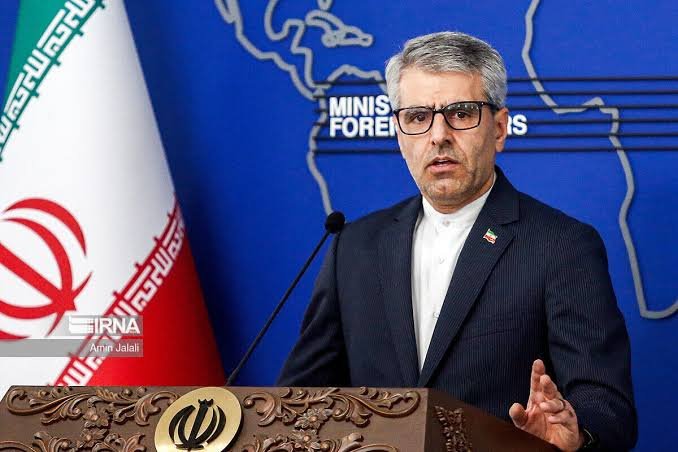
Iranian Foreign Ministry spokesman said the two countries had made steady progress during negotiations over the past three weeks. However, he indicated that some issues remained unresolved, particularly the wording of a joint statement expected to be issued by Tehran and Muscat.
“There are still some matters where discussions continue, particularly regarding the joint statement that is to be released by Iran and Oman,” Baghaei said. He added that consultations and exchanges were continuing and that details would be made public once the statement was finalised.
According to information released by Iranian authorities, the two Gulf neighbours have agreed on a “shipping map” outlining routes for vessels travelling through the Strait of Hormuz. Further discussions are expected to focus on technical aspects of implementing the arrangement.
The negotiations have been conducted directly between Iran and Oman, without US participation. The proposed framework is intended to facilitate the safe movement of commercial vessels while respecting the sovereignty and sovereign rights of both countries.
However, several important details have not yet been disclosed. Iranian authorities have not clarified whether vessels using the designated routes would be required to pay transit fees or what specific security arrangements would govern shipping operations.
The agreement on shipping routes also does not mean that the Strait of Hormuz will immediately return to normal commercial traffic.
Iranian Foreign Minister Abbas Araghchi stressed that reopening the strategic waterway was a separate matter and would depend on the fulfilment of additional conditions. He said those conditions included commitments that Washington would have to meet before Iran considers restoring normal passage.
At the same time, Tehran has continued to remain in contact with intermediaries conveying messages between Iran and the United States. Araghchi, however, emphasised that such communications should not be interpreted as formal negotiations.
“This does not constitute negotiation. We have not yet made a decision to resume negotiations with the US,” he said.
The developments come amid heightened tensions between Tehran and Washington over the strategic waterway, a crucial route for global energy supplies.
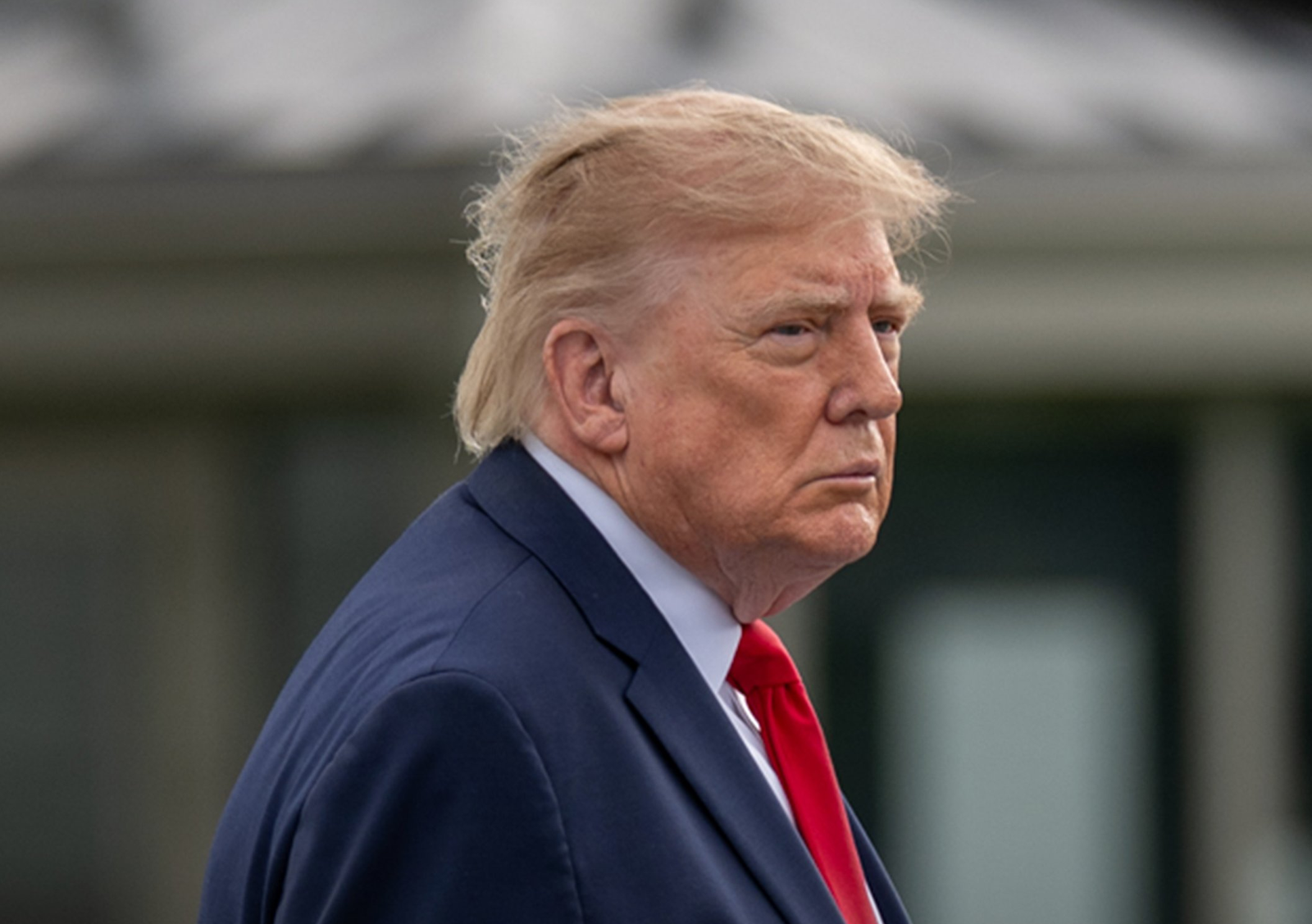
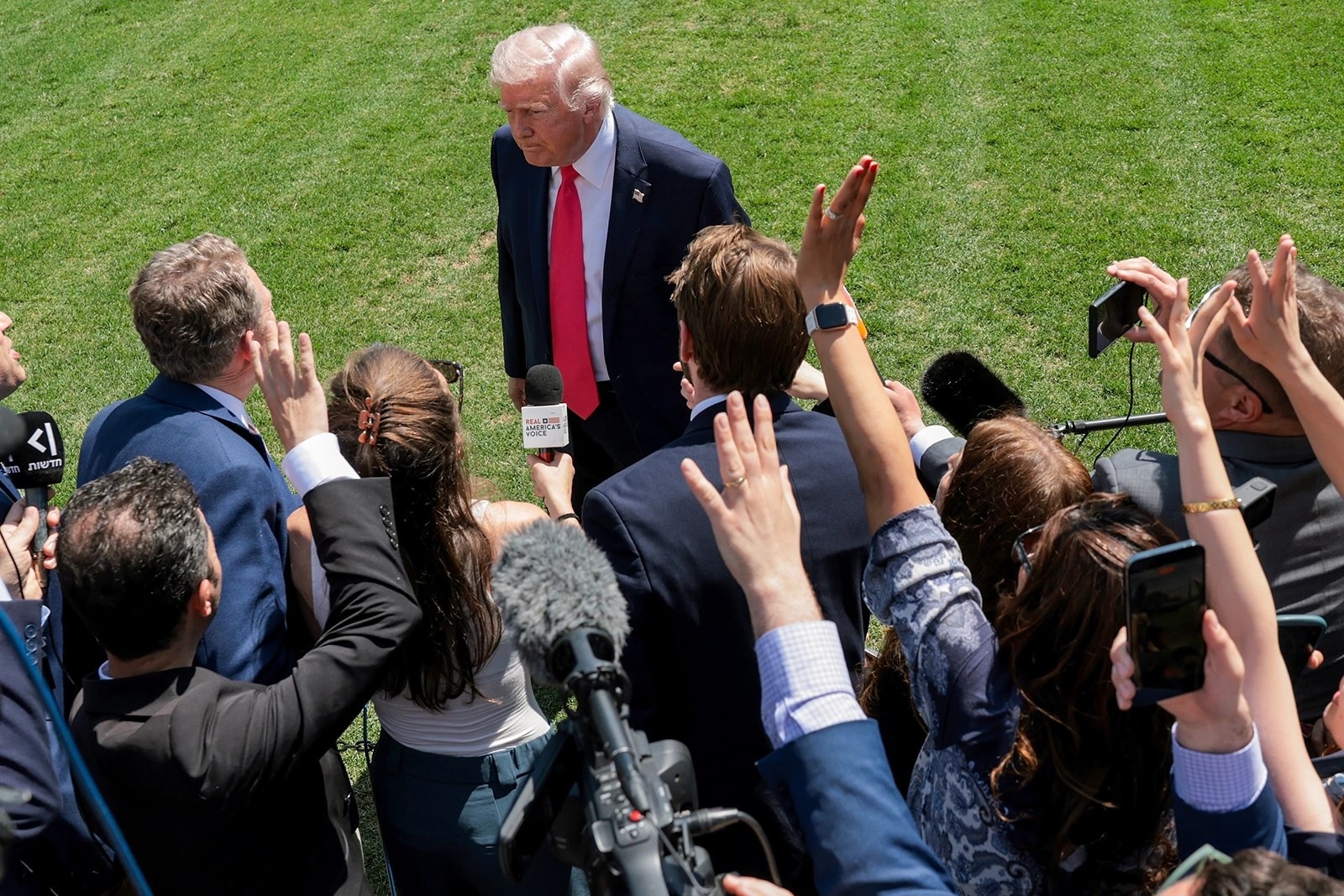
US President Donald Trump on Friday escalated the rhetoric by declaring that the United States would eventually take control of the Strait of Hormuz and designate it as US territory.
“After we finish defeating Iran, which is being very badly defeated, pretty soon, I'll be declaring the Hormuz Strait a territory of the United States,” Trump said.
The Strait remains central to the ongoing geopolitical crisis, with any prolonged disruption potentially affecting global oil and gas supplies and international shipping.
(The content of this article is sourced from a news agency and has not been edited by the Mavericknews30 team.)