Tehran, Aug 2026 : Iran has firmly asserted its control over the Strait of Hormuz, with senior diplomat Kazem Gharibabadi declaring that the strategically vital waterway will be closed or reopened only on Tehran’s orders. His remarks came amid escalating rhetoric from US President Donald Trump, who has threatened to claim the strait as US territory.
Gharibabadi, Iran’s Deputy Foreign Minister for Legal and International Affairs, made the comments on Saturday in a post on X, responding to Trump’s statement that he would soon announce the Strait of Hormuz as a territory of the United States.
Rejecting the US president’s remarks, Gharibabadi said Iran could not be pressured through social media statements, military deployments or political speeches. He asserted that Tehran was neither intimidated by threats nor deterred by displays of American military strength.
“The Strait of Hormuz can be captured neither with a tweet and aircraft carriers nor by issuing orders and a stump speech,” Gharibabadi said, adding that Iran would determine when the waterway would be closed or opened.
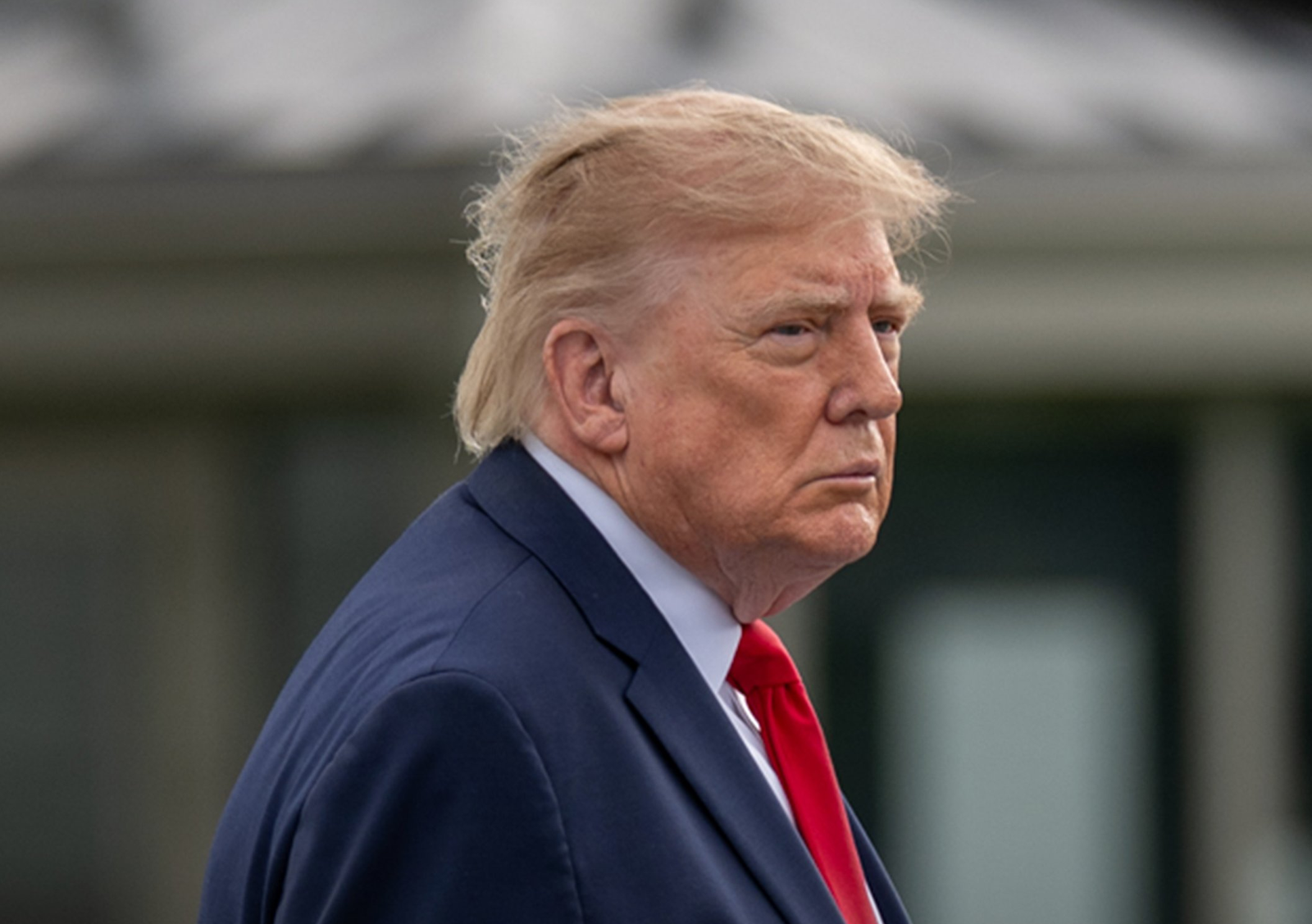
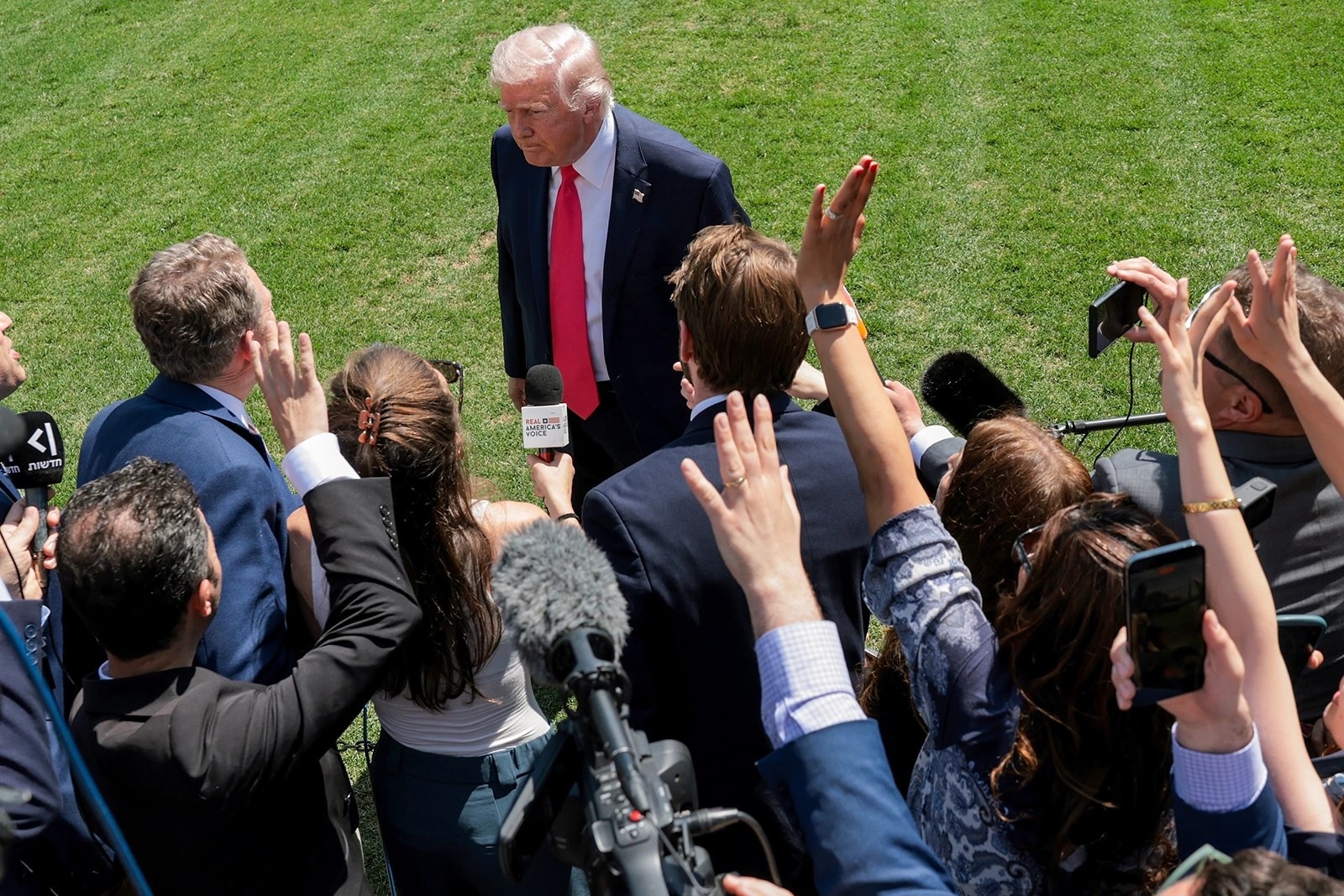
Trump had made the comments during a rally in New York on Friday, claiming that Iran was being defeated and suggesting that he would declare the Strait of Hormuz a US territory once Washington completed what he described as its victory over Tehran.
The exchange comes against the backdrop of heightened tensions between Iran and the United States and uncertainty over efforts to restore a diplomatic framework between the two countries.
Iranian Foreign Minister Seyed Abbas Araghchi, meanwhile, said Tehran has not yet decided whether to resume direct negotiations with Washington. Speaking to state-run IRIB, Araghchi acknowledged that messages were being exchanged between the two sides through mediators but stressed that such communication should not be interpreted as formal negotiations.
He also accused the United States of violating a memorandum of understanding signed in June that was intended to mark the end of the regional conflict. According to Araghchi, the agreement was subsequently breached, resulting in renewed clashes.
At the same time, Iran is working with Oman on arrangements to facilitate the safe movement of commercial vessels through the Strait of Hormuz. Araghchi said discussions were underway to establish an alternative route for shipping and that a temporary passage could eventually evolve into a permanent arrangement.
He indicated that an agreement could be reached soon but warned that reopening the strait would depend on several conditions, including commitments from the United States.
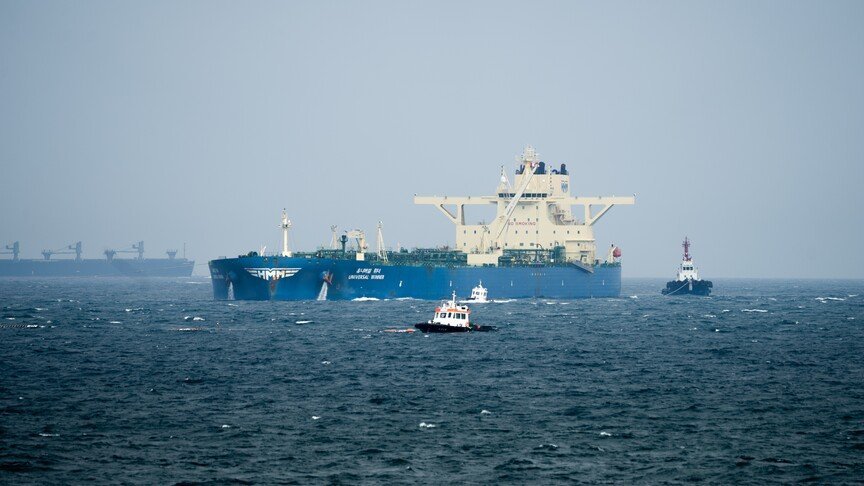
The Strait of Hormuz is a crucial global energy corridor connecting the Persian Gulf with international waters. Any prolonged disruption could have significant implications for global shipping, oil supplies and energy markets.
Under the June MoU, Iran and the US were expected to begin negotiations within 60 days to reach a comprehensive agreement. With that deadline approaching, the future of the diplomatic process remains uncertain amid continuing tensions.
(The content of this article is sourced from a news agency and has not been edited by the Mavericknews30 team.)