DUBAI, Aug 2026 — Tensions surrounding the Iran war intensified on Tuesday as the United States and Iran-aligned Houthi forces reported separate attacks involving commercial shipping, while Tehran warned that the strategically vital Strait of Hormuz would remain closed unless Washington accepted its conditions for ending the conflict.
The developments came amid growing doubts over repeated claims by U.S. President Donald Trump that an agreement to end the fighting could be reached soon. Instead, the latest attacks and increasingly hardline statements from both Washington and Tehran pointed to the possibility of a prolonged confrontation.
The disruption is particularly significant because the incidents occurred near two of the world's most important maritime chokepoints — the Gulf of Oman and the Strait of Hormuz, and the Bab el-Mandeb Strait at the southern entrance to the Red Sea. Together, these waterways are critical to international energy and commercial trade.
Financial markets reacted to the renewed uncertainty. Oil prices rose while global equities weakened. Brent crude futures gained 1.4% to settle at $88.91 a barrel, while U.S. crude increased 1.3% to $83.20.
Deadly Attack in Bab el-Mandeb
At the southern end of the Red Sea, four crew members were killed in what Yemen's Transport Ministry described as a suspected Houthi attack on a small cargo vessel in the Bab el-Mandeb Strait.
Two Yemeni rescuers belonging to an anti-Houthi military group were also killed, according to Yemen's Coast Guard.
The deaths aboard the Egyptian-owned Tihamah, if confirmed as a Houthi attack, would represent the first reported fatalities involving commercial shipping since the Iran war began.
The Houthi-controlled Saba news agency reported that the group had attacked a Saudi vessel carrying military equipment in the Bab el-Mandeb. The group did not identify the vessel, and Saudi authorities had not immediately responded to the report.
The Houthis, who are backed by Iran, said last month that they intended to impose a naval blockade on Saudi Arabia in the Red Sea, raising further concerns over the security of commercial shipping in the region.
U.S. Missile Strike on Cargo Ship
Separately, the U.S. military said a U.S. Navy MH-60 helicopter fired two Hellfire missiles to disable the steering system of a Panama-flagged cargo vessel.
The U.S. Central Command said the ship had ignored repeated warnings and was attempting to violate an American naval blockade targeting Iranian ports.
Maritime sources told Reuters that the vessel was struck off the coast of Pakistan while sailing toward the Gulf of Oman.
According to the U.S. military, the action was intended to prevent the ship from continuing toward Iran. The incident adds another layer of risk for commercial vessels operating in waters already affected by heightened military activity.
The two incidents demonstrated how the wider conflict is increasingly spilling into major international shipping lanes, threatening to disrupt energy supplies and global trade.
Tehran Sets Conditions for Reopening Hormuz
Iranian officials have simultaneously hardened their position over the Strait of Hormuz.
Mohsen Rezaei, a senior Iranian security official who was appointed on Sunday as second-in-command of the body responsible for coordinating Iran's security and foreign policy, said the waterway would remain closed unless Washington changed its approach and accepted Tehran's conditions.
According to Iran's semi-official Tasnim news agency, Rezaei said Hormuz would not reopen as long as the United States refused to meet Iran's demands.
Among those demands are the release of Iran's frozen assets and an end to conflicts across the region, including fighting involving Lebanon and Gaza.
The position represents one of the clearest indications yet that Tehran does not intend to restore normal shipping through the waterway in the immediate future.
Before the war, the Strait of Hormuz carried roughly one-fifth of global oil and liquefied natural gas supplies, making any prolonged closure a major threat to international energy markets.
There was no immediate response from Washington to Rezaei's latest remarks.
Trump Signals Uncertainty
Trump has repeatedly alternated between threatening further military escalation and suggesting that a diplomatic settlement with Tehran could be close.
In an interview released late Monday, however, the president appeared to acknowledge that the confrontation could continue for some time. He suggested Washington could allow Iran's economy to deteriorate or choose a much more forceful military response.
"I'm sort of negotiating," Trump said, describing Iranian negotiators as highly difficult.
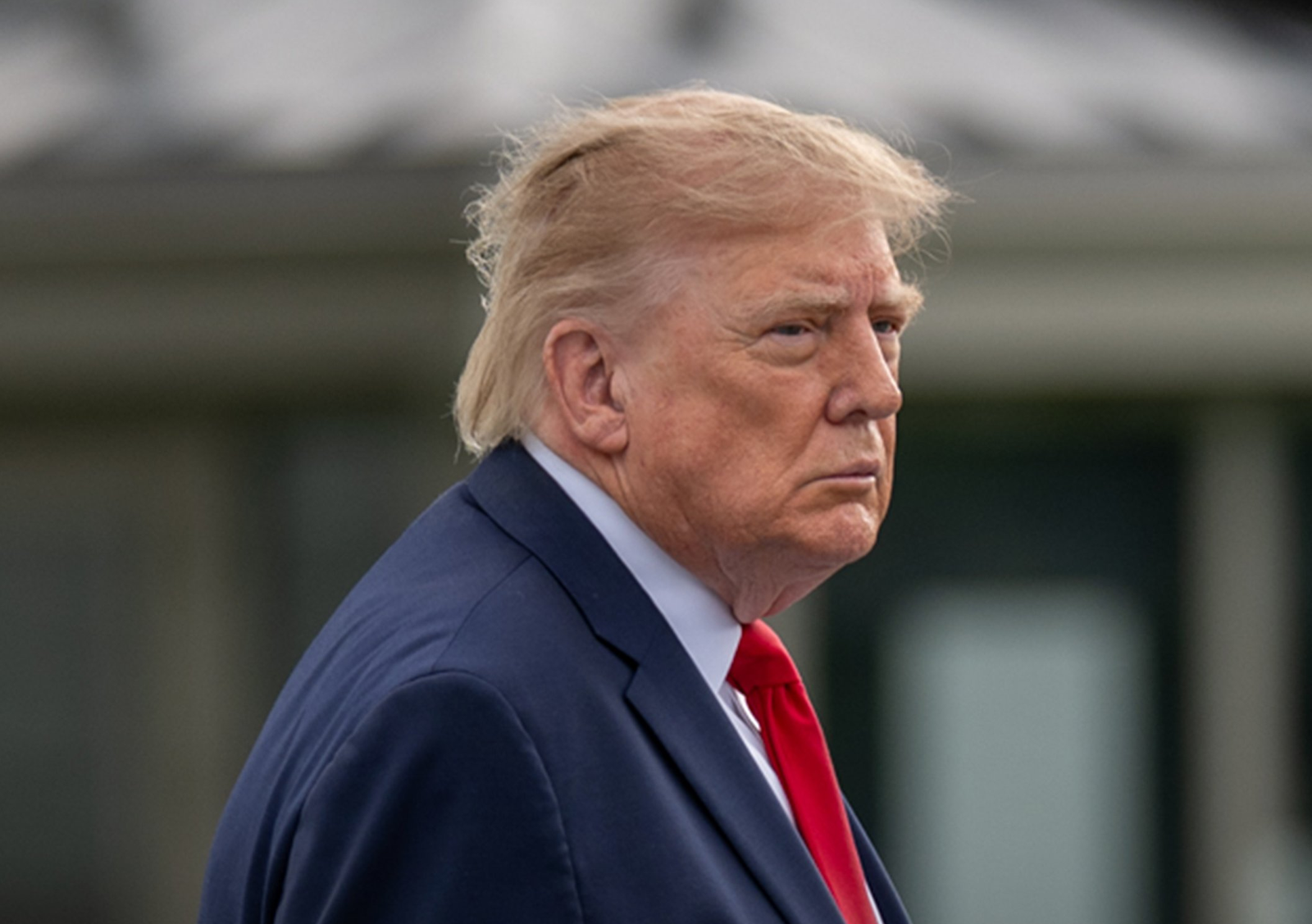
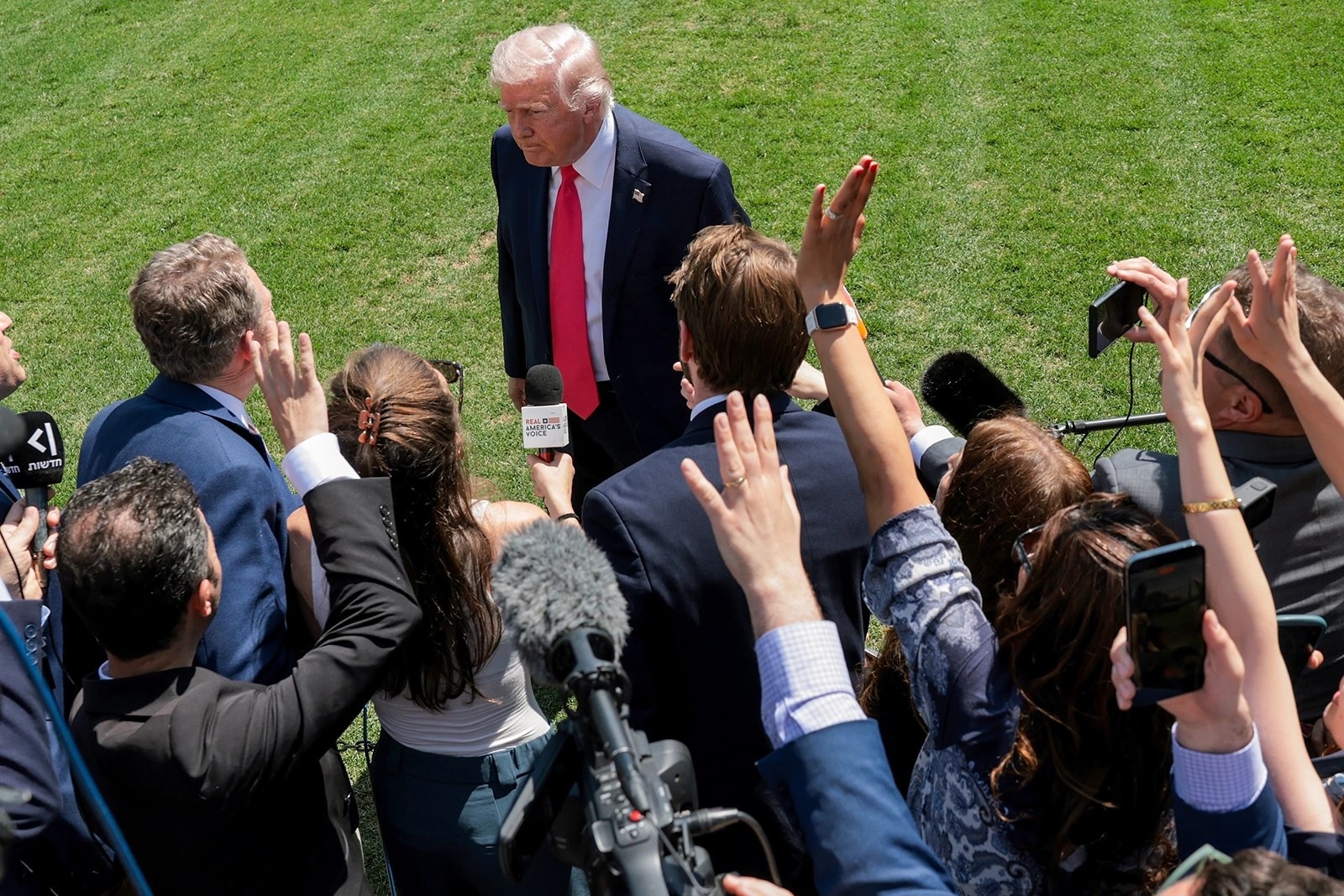
Speaking to reporters after visiting Ohio on Tuesday, Trump said Iran was "going fine" and insisted that the United States had control over the Strait of Hormuz.
He also warned that Iran could face severe consequences if it took further action against U.S. interests.
Trump's comments came as questions continued over his security arrangements during a trip to Turkey last month. He confirmed that he had secretly transferred from Air Force One to another U.S. military aircraft amid concerns over a possible Iranian threat.
Trump said he did not worry about threats against him, arguing that any major world leader inevitably faced security risks.
Conflict Raises Risk of Wider Escalation
The war has already resulted in thousands of deaths since the United States and Israel launched attacks against Iran on February 28.
Iran has retaliated by striking U.S. assets and infrastructure in several countries, including Oman, Jordan, Kuwait, Israel, the United Arab Emirates and Saudi Arabia.
The latest rhetoric from Tehran suggested that the possibility of further escalation remains high.
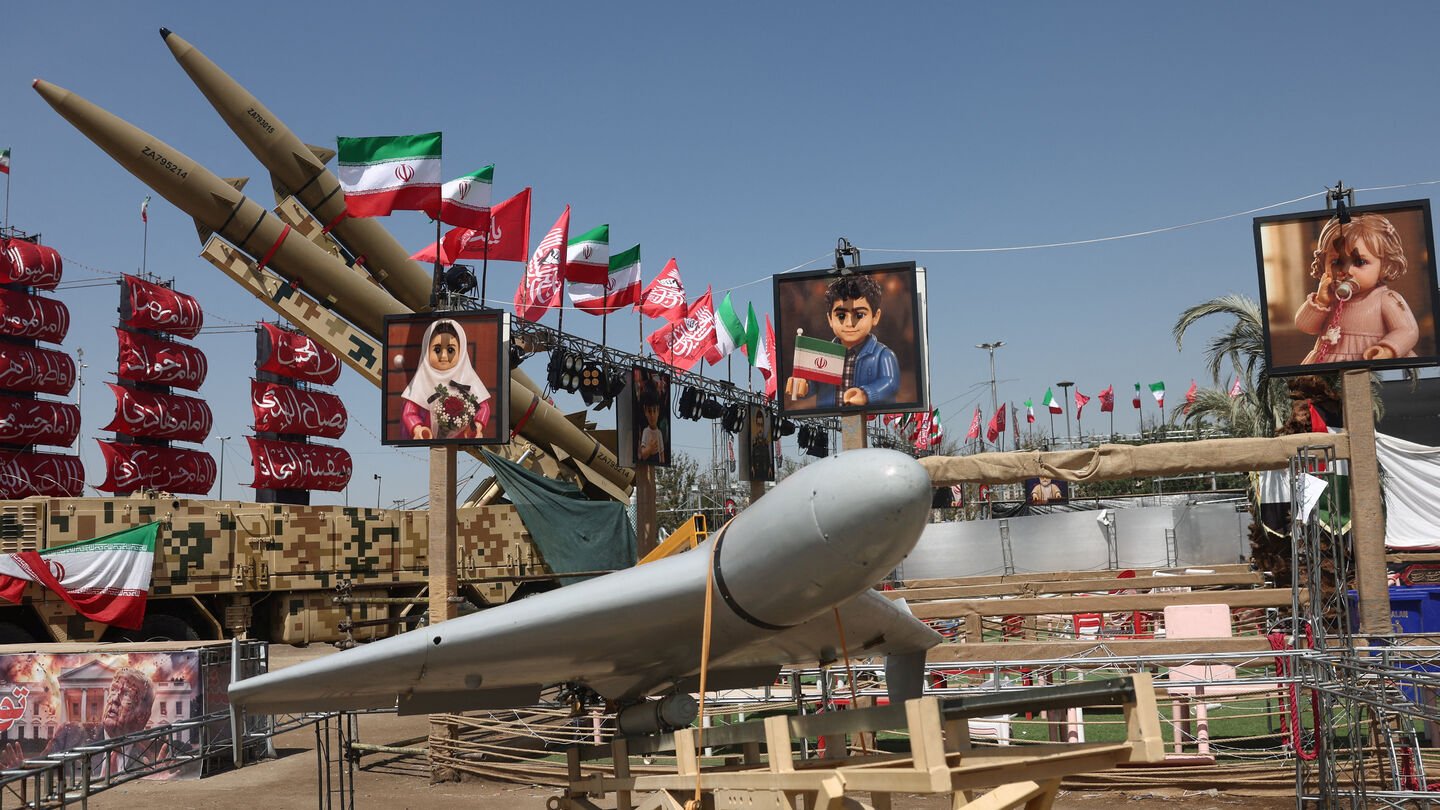
Mohammad Reza Naqdi, an adviser to the commander of Iran's Islamic Revolutionary Guard Corps, said on Iranian state television that the IRGC was developing the capability to conduct operations on foreign territory.
He said Iran needed the ability to take military operations onto "enemy soil" whenever ordered, describing this as an essential element of an offensive military doctrine.
Global Shipping Faces Growing Risks
The combination of attacks near the Red Sea, restrictions around Iranian ports and the threat of a prolonged Hormuz closure has heightened concerns among shipping companies, energy traders and governments worldwide.
Any sustained disruption in either maritime corridor could increase transportation costs, delay deliveries and push energy prices higher. A prolonged shutdown of Hormuz, in particular, could have consequences far beyond the Middle East because of the waterway's central role in global oil and gas transportation.
With Washington and Tehran still far apart on the conditions for ending the conflict, and regional armed groups continuing to threaten maritime traffic, hopes for a rapid resolution appear increasingly uncertain.
For global markets and the shipping industry, the immediate priority remains the same: determining whether the region's critical sea lanes can remain open as the conflict continues to escalate.
(The content of this article is sourced from a news agency and has not been edited by the Mavericknews30 team.)