Tehran, Aug 2026 : Iran has warned that any fresh military or economic threats from the United States would trigger a “crushing” and “devastating” response, escalating tensions between the two countries after Washington announced plans for what it described as its toughest financial measures yet against Tehran.
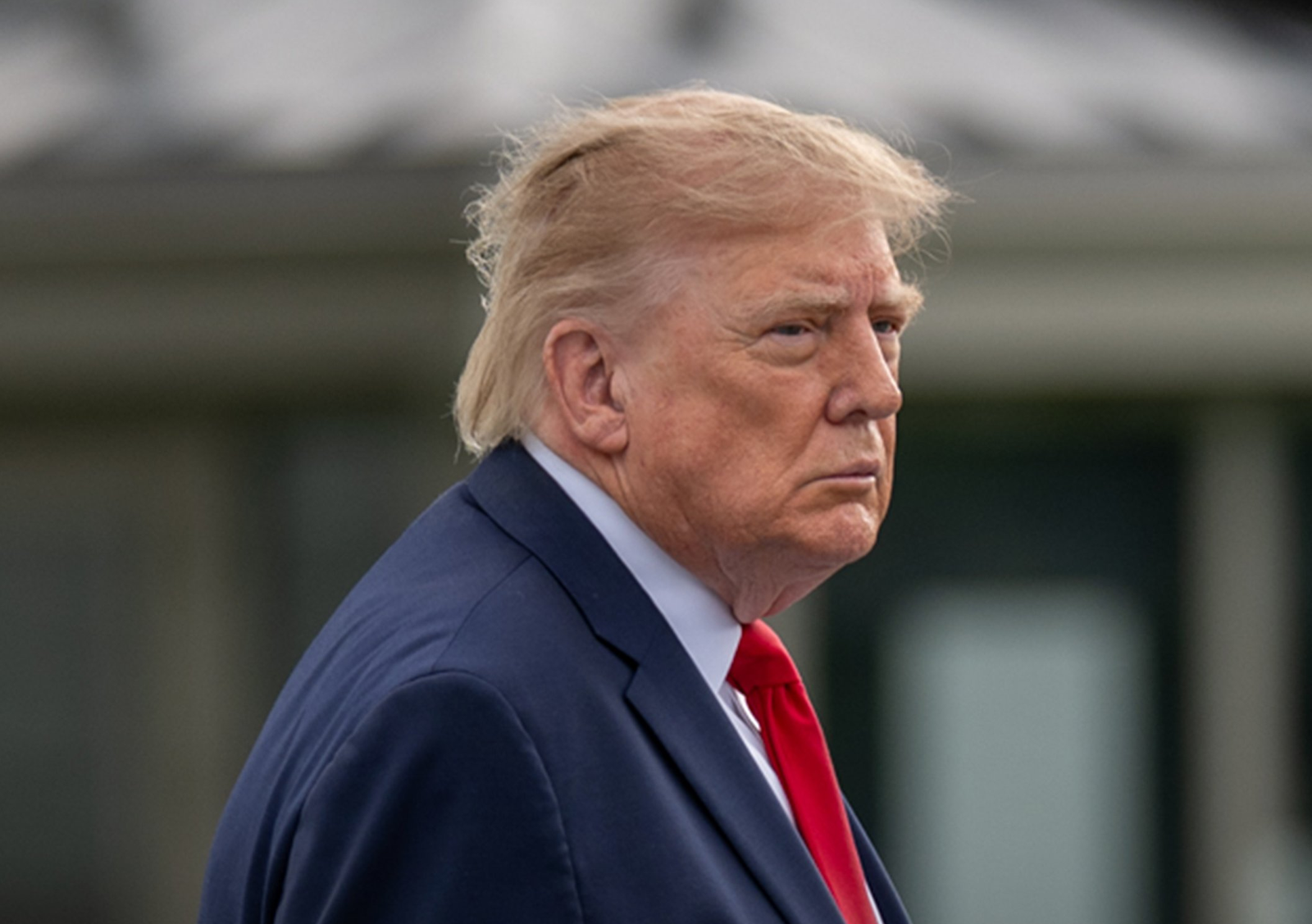
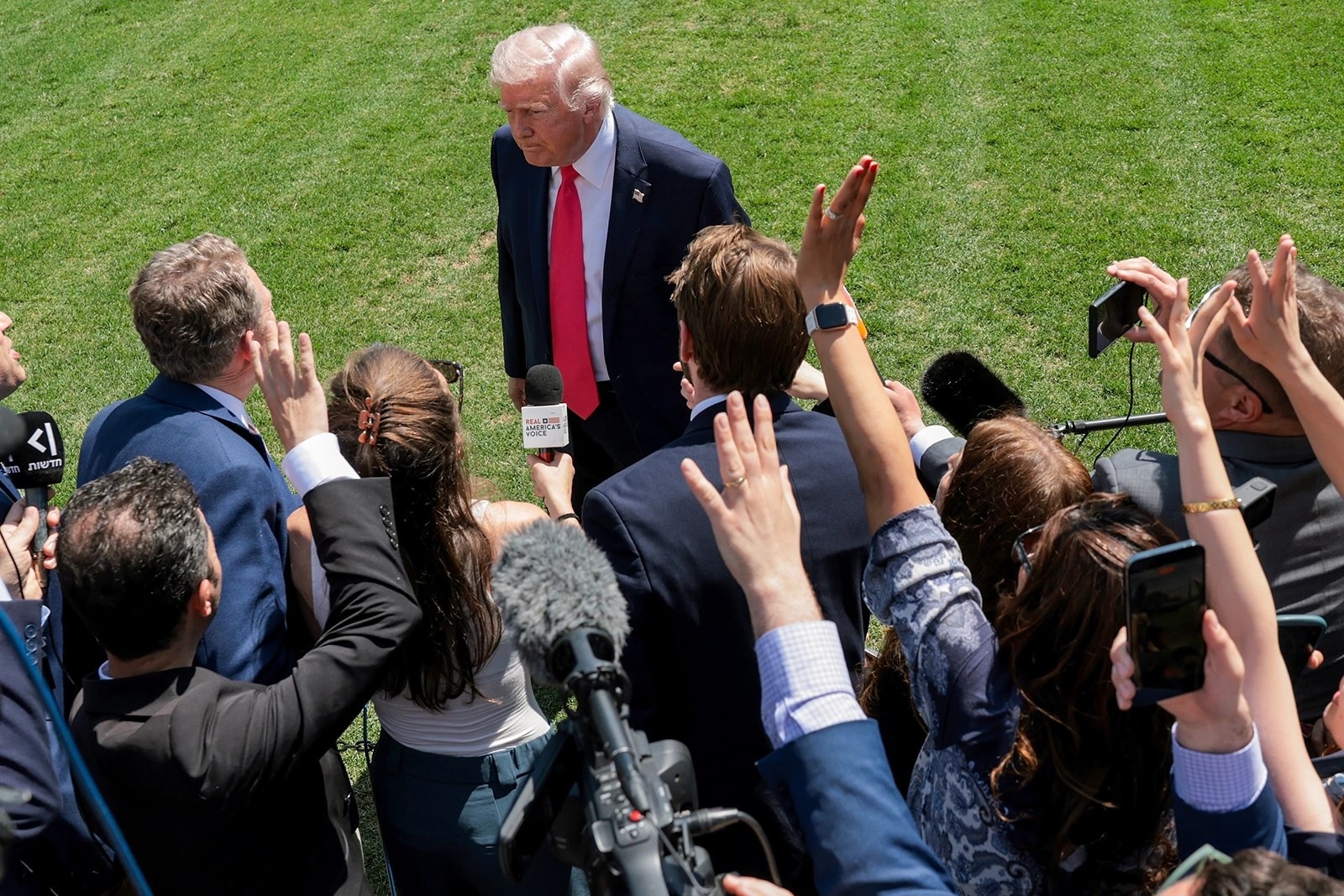
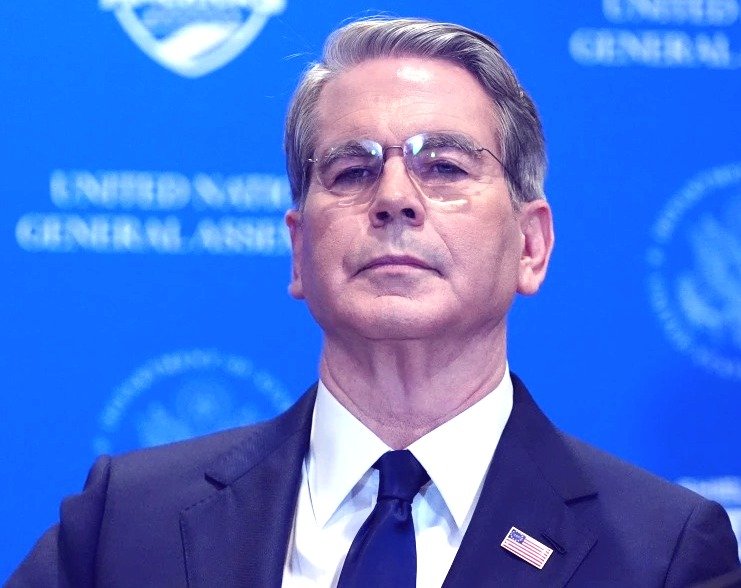
US Treasury Secretary Scott Bessent said details of the new sanctions would be unveiled at a press conference on Monday. The announcement followed US President Donald Trump’s warning that countries providing “any type of lifeline” to Iran would face severe economic consequences.
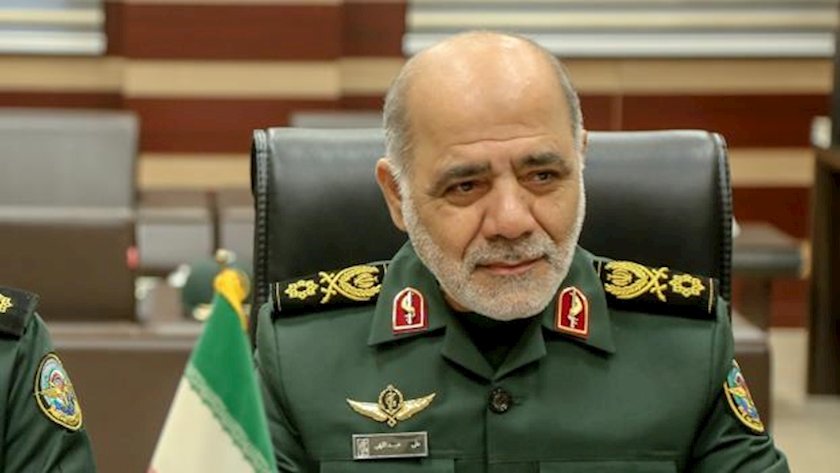
Iranian military leaders responded with a strong warning of their own. Major General Ali Abdollahi, chief of staff of Iran’s Armed Forces, said the country’s military was prepared to respond across multiple domains if the United States launched new attacks or threats.
“With preparedness across land, sea, air, air defence and cyberspace, Iran's armed forces will respond to the enemy's new threats with crushing, punishing and devastating responses,” Abdollahi was quoted as saying by Iranian media.
The latest exchange of threats comes amid a prolonged conflict that has already caused thousands of deaths, affected several countries in the Gulf region and contributed to a rise in global energy prices. Despite repeated declarations of strength from both Washington and Tehran, neither side has emerged with a decisive outcome.
The United States and Israel have inflicted significant damage on Iran’s economy, infrastructure and conventional military capabilities. However, Tehran continues to retain substantial missile and drone capabilities and remains capable of threatening shipping and energy infrastructure across the region.
A major concern for international markets is the Strait of Hormuz, one of the world's most strategically important maritime routes. The waterway carries roughly one-fifth of globally traded oil and any prolonged disruption could have major consequences for energy supplies and prices.
Trump had announced several objectives at the beginning of the conflict, including dismantling Iran’s nuclear programme and creating conditions that could lead to the overthrow of the country’s clerical leadership. However, those goals have yet to be fully achieved.
The conflict has also created domestic political and economic challenges for the US administration. Rising fuel prices have affected American consumers, while concerns over the economic impact of the war have added to pressure on Trump. A Reuters/Ipsos poll released this week put his approval rating at 33 per cent, the lowest level of his current term.
Iranian Parliament Speaker Mohammad Baqer Qalibaf, who has been involved in mediated negotiations with Washington, said Iran must prepare for the possibility of further economic pressure.
Speaking during a visit to neighbouring Iraq, Qalibaf said Washington appeared to have concluded that it could not achieve victory through direct military confrontation and was therefore turning increasingly towards economic pressure.
“We must make plans to deal with the unjust sanctions so that we can overcome them,” Qalibaf said.
At the same time, Qalibaf acknowledged the serious economic challenges facing Iran. Speaking to Iranian and Iraqi businesspeople on Thursday, he stressed that military strength alone could not ensure the country's survival if economic conditions deteriorated.
“No matter how much military power we have, we won't survive if people are hungry and we don't have financial turnover, economic growth and national production,” he said, according to Iran's official IRNA news agency.
Washington's latest sanctions threat has already affected international energy markets. Crude oil prices rose on Friday as traders assessed the possibility of tighter supplies if sanctions are imposed on countries continuing to purchase Iranian oil.
Bessent, speaking to CNBC, said the administration intended to use economic pressure to force political change in Tehran. “We are going to collapse this regime,” he said.
Iran has lived under various forms of US sanctions for nearly five decades, beginning after the 1979 Islamic Revolution. The prolonged restrictions have contributed to inflation, currency weakness, shortages of energy and difficulties in attracting foreign investment. The latest conflict has added further pressure by damaging infrastructure and disrupting economic activity.
The impact of new sanctions could extend well beyond Iran, particularly because of China's role in the Iranian oil trade. China remains a major buyer of Iranian crude, with Kpler data indicating that it purchased more than 80 per cent of Iran's seaborne oil in 2025.
Bessent said China obtains about half of its energy from the Gulf and urged Beijing to cooperate with Washington's sanctions strategy. However, increased pressure on China could provoke retaliation at a time when relations between Washington and Beijing are already strained.
China's embassy in Washington has criticised sanctions and economic pressure as ineffective in resolving the dispute and called for diplomacy instead.
The conflict is also creating risks for US allies in the Gulf. Iranian attacks have reportedly targeted regional energy facilities and desalination plants, raising concerns about both energy security and access to drinking water.
Efforts to maintain maritime traffic through the Strait of Hormuz have already resulted in two ceasefire arrangements announced in April and June. Iran and Oman, which lies across the narrow waterway, have also held separate discussions aimed at restoring normal navigation.
The United States, however, has opposed any arrangement that would require ships to pay a toll for passage through the strait.
The growing maritime security concerns have also drawn the attention of NATO. NATO's top commander, US Air Force General Alexus Grynkewich, convened a video conference with allied defence chiefs on Wednesday to discuss possible measures to support freedom of navigation in the Strait of Hormuz.
A spokesperson said the effort would not constitute a NATO mission, but argued that the alliance's capabilities could be used to facilitate coordination and support maritime security.
With Washington preparing new sanctions and Tehran warning of retaliation, the confrontation is entering another potentially dangerous phase, with the economic and military consequences likely to be felt well beyond the borders of Iran and the United States.
(Disclaimer :The content of this article is sourced from a news agency and has not been edited by the Mavericknews30 team.)