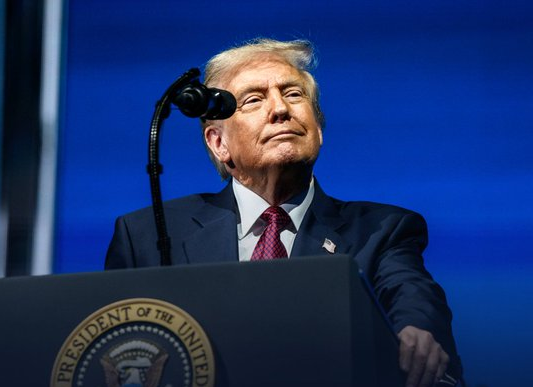
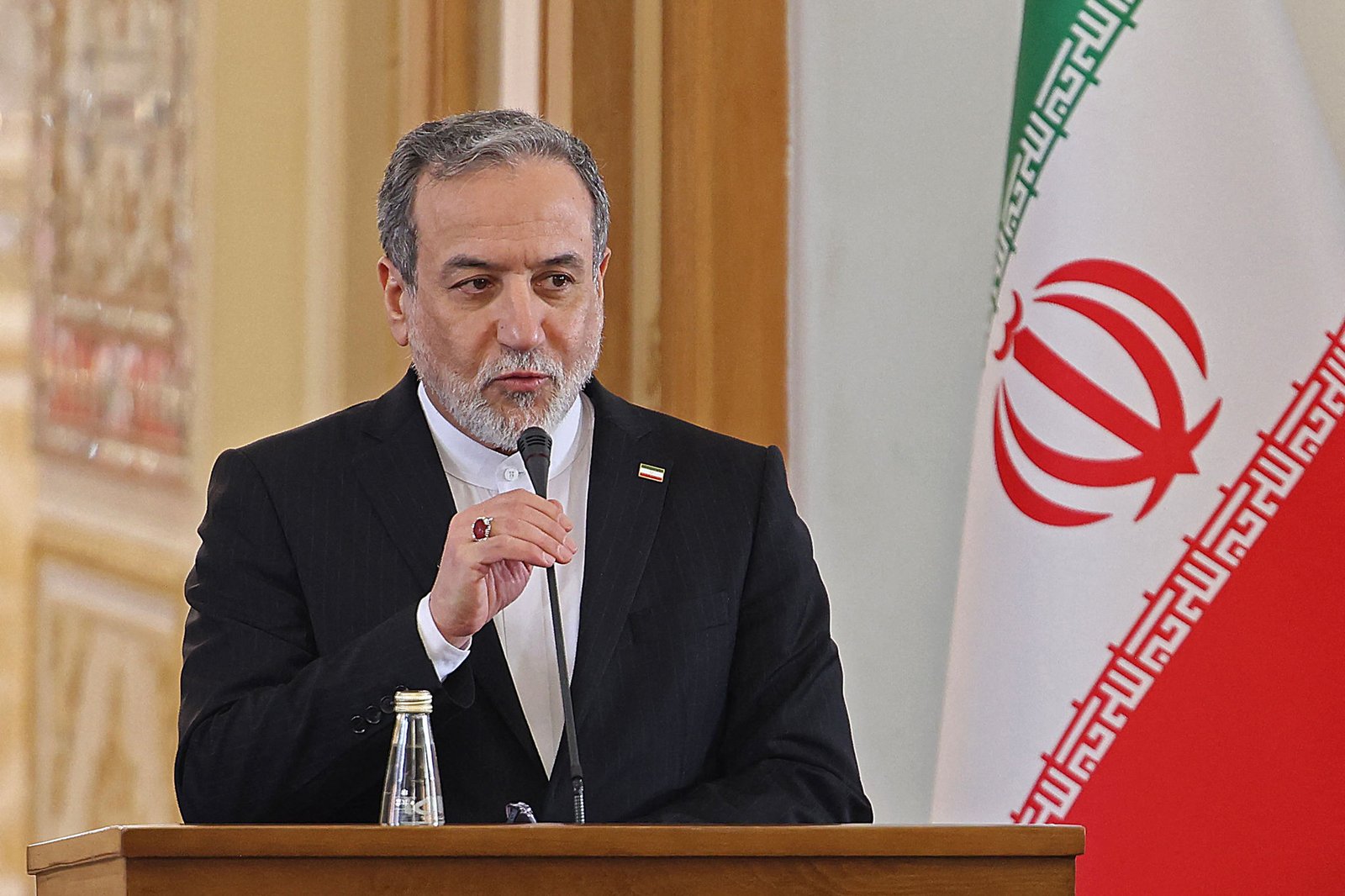
Washington DC; September 2026: Iranian Foreign Minister Abbas Araghchi have met with US Special Envoy Steve Witkoff on the sidelines of the United Nations General Assembly in New York today (Wednesday – 23rd September 2026; early morning IST). The meeting took place after Witkoff insisted on holding talks with the Iranian official, as per Iranian official source said, adding that Iran agreed to the encounter in order to convey its conditions for reopening the Strait of Hormuz.
While briefing the media personnel Araghchi has asserted that Iran’s conditions for reopening the Strait of Hormuz include the immediate lifting of the naval blockade and the immediate release of all frozen Iranian funds, while further stressing an end to the war across all resistance fronts as another condition for reopening the strategic waterway.
Back in Tehran - Iran’s Parliamentary National Security and Foreign Policy Committee approved provisions setting penalties for vessels that violate regulations governing passage through the Strait of Hormuz. Under the proposed measures, violators could face fines equivalent to 20% of their cargo or its value, as well as temporary detention until the penalty is paid.
Committee spokesperson Hassan Qashqavi said Articles 13, 14, and 15 of the proposed Strategic Action Plan for Ensuring the Security and Sustainable Development of the Strait of Hormuz were approved during today’s meeting, while Article 16 will be discussed at a later session.
·Article 13 also calls for specialised judicial branches staffed by maritime and law-of-the-sea experts to handle related cases.
·Article 14 establishes penalties for individuals or legal entities whose actions or omissions obstruct implementation of the proposed legislation. It also requires any bilateral or multilateral agreement concerning the Strait of Hormuz to comply with relevant provisions of Iran’s Constitution governing international agreements, state authority, and national security.
·Article 15, authenticates that the Iranian Armed Forces General Staff would be required to submit quarterly reports to Parliament’s National Security and Foreign Policy Committee on implementation, either directly or through the Defense Ministry.
The provisions form part of a broader proposed regulatory framework for navigation through the waterway, including measures concerning fees for services provided by Iran and restrictions on entities Tehran considers responsible for unilateral sanctions or hostile actions. The approved articles remain subject to completion of Iran’s legislative process before taking effect.
The crisis over the Strait of Hormuz could delay some Qatar Energy expansion projects because critical equipment is unable to reach Qatar, the company's CEO Saad al-Kaabi said on Sunday (20th September). Al-Kaabi said Qatar Energy was currently producing only a "very minute" volume of liquefied natural gas.
Speaking at the Qatar Economic Forum in New York, al-Kaabi said a few LNG trains under Qatar Energy's North Field East (NFE) expansion are due to start up in 2027, with the North Field South (NFS) expansion set to begin production in 2028. This comes as the crisis in the Strait of Hormuz continues to affect Qatar's economy negatively, in light of the US war on Iran, which prompted Tehran to close the Strait in retaliation.
Qatar recorded its widest quarterly budget deficit in nearly a decade as the US-Israeli war on Iran and the resulting disruption of navigation through the Strait of Hormuz dealt a severe blow to the Gulf state's liquefied natural gas exports. Figures released by Qatar's Finance Ministry showed that the budget shortfall reached 21.2 billion riyals, or roughly $5.8 billion, during the second quarter of 2026, the largest recorded since the final quarter of 2016 and more than double the 10.3 billion-riyal shortfall registered between January and March.
The fiscal deterioration was driven largely by the collapse in energy revenues after the war began in late February and maritime traffic through the Strait of Hormuz was sharply restricted. Before the war, Qatar accounted for around one-fifth of global LNG exports, but its shipments fell from around 20 million tons per quarter during 2025 to less than 2 million tons between April and June this year.
Team Maverick.