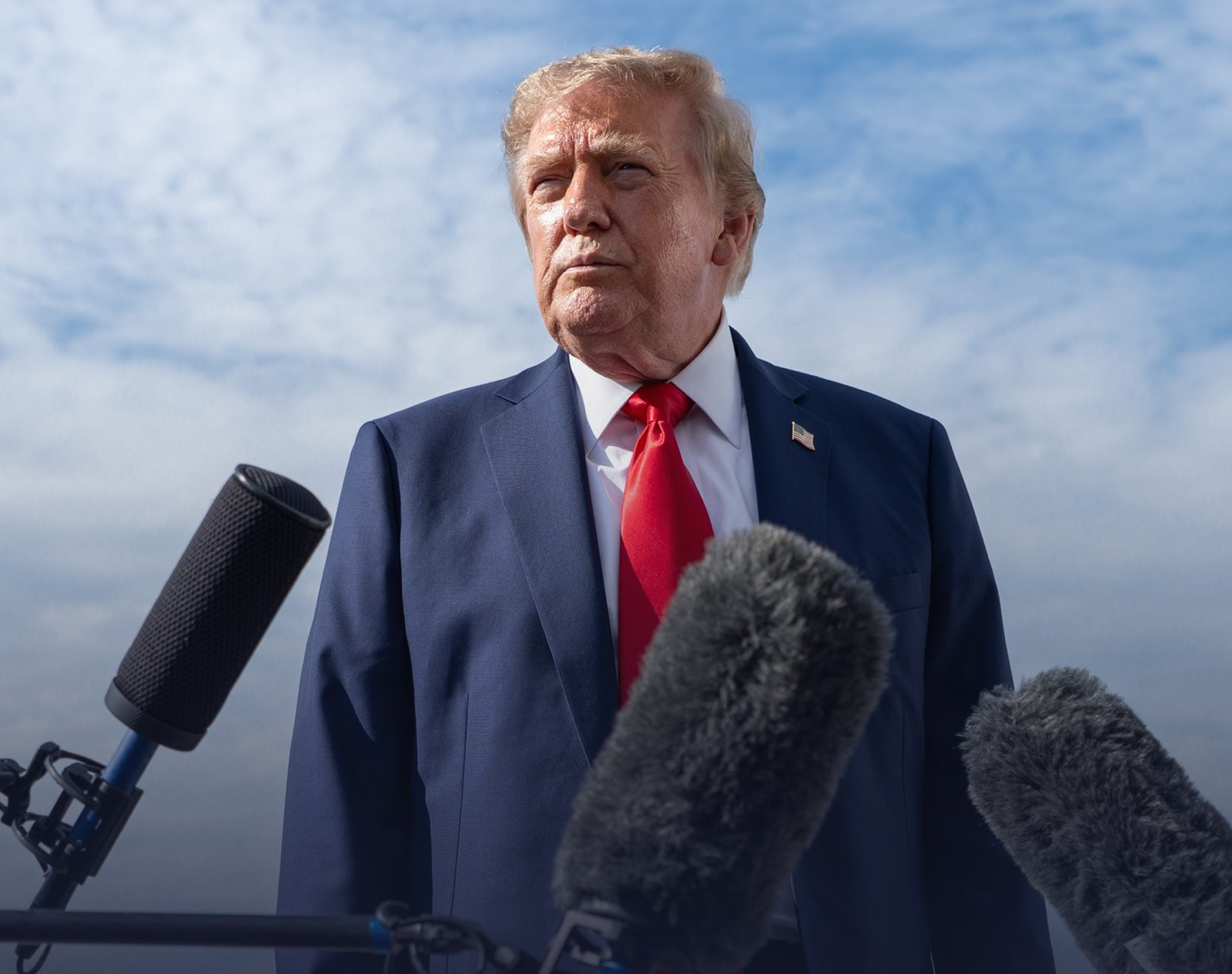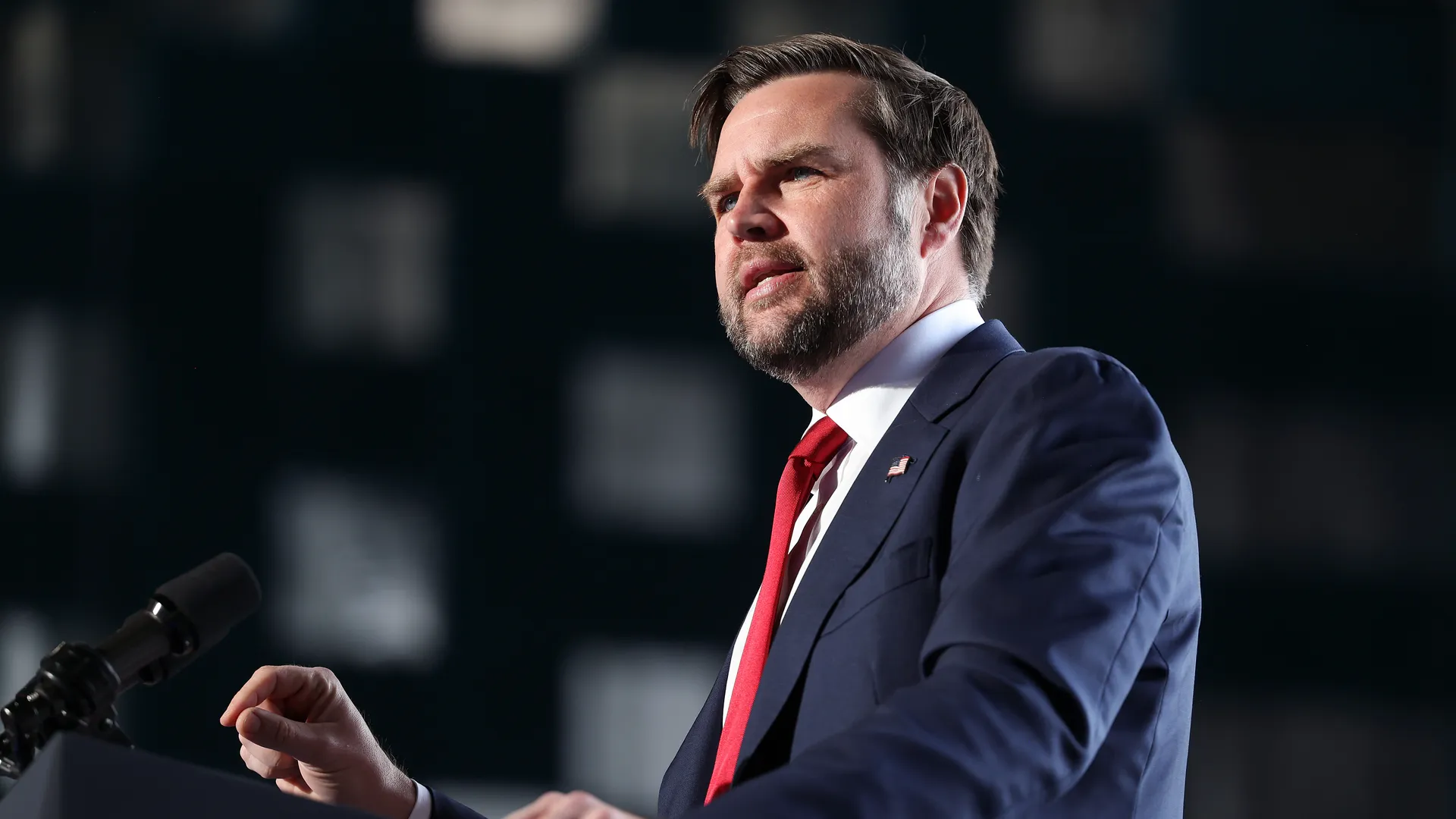
Washington, November 2026: US Vice President JD Vance has begun recalibrating his political strategy following the Republican Party's defeat in the midterm elections, increasingly focusing on issues that define his own political identity rather than defending President Donald Trump's controversial policies.
In the final weeks of the midterm campaign, Vance appeared to shift his messaging, placing greater emphasis on economic nationalism, foreign policy restraint, public safety and the cost of living. His approach marked a calculated attempt to present himself as a political leader with an independent vision while retaining the support of Trump's Make America Great Again (MAGA) movement.
A Reuters review of six speeches delivered since the Republican convention in September found that Vance made the case for the Republican Party largely through the lens of his own policy priorities. He largely avoided discussing some of Trump's most prominent political decisions, particularly the war with Iran and the administration's immigration deportation drive.
The shift came as opinion polls indicated that Trump's declining popularity was increasingly affecting Republican candidates seeking election. Republicans ultimately lost control of Congress in Tuesday's midterm elections, dealing a significant setback to the administration.
According to two people familiar with the political strategy, the change in Vance's messaging was deliberate. The vice president and his advisers believed that economic nationalism, a more restrained approach to foreign policy and public safety offered politically attractive issues on which he could establish credibility and leadership.
Although Trump has promoted these positions as part of the MAGA movement, Vance has increasingly emerged as one of their most prominent advocates.
The development offers an early indication of how the 42-year-old vice president could seek to establish his own political identity as the Republican Party begins preparing for a future beyond Trump.
Vance's post-election assessment puts Iran war in focus
Although Vance has not announced whether he intends to contest the 2028 US presidential election, he is widely regarded as one of the leading potential contenders for the Republican nomination.
Trump has not endorsed Vance or any other prospective candidate. However, Republican leaders believe that whoever succeeds Trump will need to maintain the support of his political coalition while distancing themselves from some of the controversies associated with his presidency.
Vance took a significant step towards defining his own political position on Wednesday when he published an unusually direct assessment of the Republican defeat on social media.
In his post-election analysis, the vice president identified the Iran war as one of the factors behind the party's electoral setback and outlined a series of measures he believes could help Republicans regain political ground.
He called for an early end to the conflict, urged the Republican leadership to prioritise affordability and called for a reassessment of US foreign relations, including Washington's relationship with Israel.
His remarks appeared to expose differences in emphasis between his political approach and Trump's position on some of the administration's most controversial decisions.
Trump has repeatedly dismissed concerns over the rising cost of living as a Democratic political "hoax". His administration launched military action against Iran following sustained lobbying by Israeli Prime Minister Benjamin Netanyahu. Trump subsequently endorsed Netanyahu in the Israeli election.
The president has acknowledged that the Iran conflict contributed to Republican losses by pushing up petrol prices. However, he has continued to defend his decision to launch the military campaign.
Speaking to reporters on Wednesday, Trump said he would not have changed his approach, declaring, "I would have done nothing different."
Vance's social media post was particularly significant because it marked the first time he had publicly advocated bringing the war to an end.
White House denies rift between Trump and Vance
The vice president's comments triggered speculation about a possible difference of opinion within the Trump administration.
However, three people familiar with communications between the White House and Vance told Reuters that the vice president was not attempting to break with Trump. They also indicated that White House Chief of Staff Susie Wiles had been informed about the social media post in advance.
Reuters could not independently establish whether Trump himself had prior knowledge of Vance's statement.
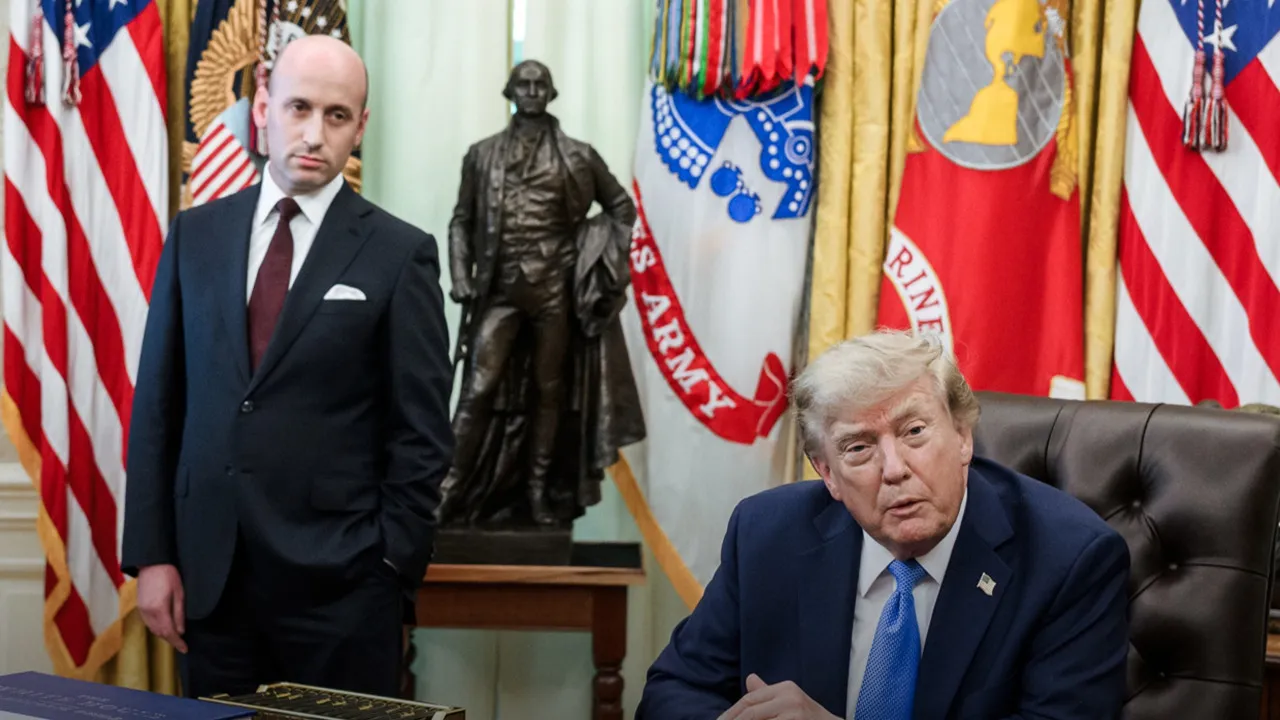
On Friday, Trump announced a reshuffle of senior White House leadership, replacing Wiles with Stephen Miller. The move indicated that the administration could continue to pursue a firm position on several of Trump's signature policies.
Meanwhile, Donald Trump Jr., the president's eldest son, publicly supported Vance's post-election assessment on social media. Several conservative political figures also endorsed the vice president's remarks.
The episode has further strengthened Vance's position as a possible standard-bearer for the Republican Party in the post-Trump era.
Michael Ricci, a Republican strategist and former adviser to House Speakers John Boehner and Paul Ryan, said Vance's intervention had brought important questions about the Iran war and the future direction of conservatism into the political debate.
According to Ricci, the vice president was using the influence and visibility of his office to shape the discussion about the Republican Party's future.
He cautioned against interpreting Vance's comments simply as an attempt to distance himself from Trump.
Rather, Ricci said, the development reflected Vance's effort to use the political platform of the vice presidency to influence the issues that Republican leaders and potential presidential candidates would prioritise.
Representatives for Vance declined to comment on the development. White House representatives referred Reuters to Trump's Wednesday remarks, in which the president said he understood Vance's perspective on the election results.
Democratic Party prepares to link Vance with Trump
Despite his efforts to establish a distinct political identity, Vance is likely to face a significant challenge in any future presidential campaign.
Democrats are expected to associate him closely with Trump and his administration in the 2028 presidential race, particularly if the president plays a decisive role in selecting the Republican nominee.
Democratic strategist Igor Volsky said Republican candidates would face the difficult task of maintaining Trump's support during the party's nomination process while presenting themselves as credible alternatives to the president in a general election.
He said a candidate would have to navigate the competing demands of winning the Republican primary and appealing to a broader electorate.
Vance's political standing also suffered setbacks during the midterm elections. Republicans lost in several states where he personally campaigned, raising questions about his ability to translate his national profile into electoral success.
Some of the campaign strategies he supported also attracted criticism. These included an advertisement by Ohio gubernatorial candidate Vivek Ramaswamy that cast doubt on the sexual abuse allegations involving victorious Democratic candidate Amy Acton. Such messaging may have alienated voters and contributed to Republican losses in certain contests.
Other Republican leaders offer different explanations for defeat
Vance is not the only prominent Republican leader attempting to draw lessons from the party's midterm performance.
US Senator Ted Cruz of Texas argued that Republicans had failed to address voters' concerns about affordability adequately.
Florida Governor Ron DeSantis offered a different assessment, saying Republican candidates had concentrated excessively on transgender-related issues while overlooking concerns surrounding data centres and artificial intelligence.
US Secretary of State Marco Rubio, another potential contender for the 2028 Republican presidential nomination, has so far refrained from publicly offering his assessment of the electoral setback.
Vance's attempt to shape the Republican debate had, however, become increasingly visible during the closing stages of the campaign.
In his election rallies, he urged voters to support Republican candidates by promising investigations into alleged fraud in federal healthcare and anti-poverty programmes. He connected these issues with the administration's immigration agenda and the broader cost-of-living debate.
Notably, he largely avoided discussing the Iran war and rising petrol prices, while also making relatively few direct references to Trump.
At one of his final campaign rallies in North Carolina, Vance framed his political message around aspirations for American families rather than the president's political achievements.
"I want my kids to raise a family in a country that is vibrant and thriving and free and prosperous. I want the simple things," he told supporters, adding that he wanted the same opportunities for other American families.
As Republicans confront the consequences of their midterm defeat, Vance's evolving political strategy could become an important factor in determining the party's leadership and ideological direction ahead of the 2028 US presidential election.
For now, the vice president faces the delicate task of preserving his relationship with Trump and the MAGA base while building an independent political platform capable of attracting voters beyond the Republican Party's traditional support base.
(Disclaimer :The content of this article is sourced from a news agency and has not been edited by the Mavericknews30 team.)