Nagpur, November 2026 : In a gesture of solidarity with farmers facing severe drought and agricultural losses, Maharashtra Chief Minister Devendra Fadnavis celebrated Diwali with a farming family in Lohari Sawanga village of Narkhed taluka in Nagpur district on Saturday evening. Setting aside elaborate festivities, the Chief Minister spent time with farmers to understand their difficulties and assured them of government assistance to overcome the prevailing agricultural crisis.
Fadnavis visited the residence of farmer Rambhau Balpande, where he interacted with family members and other villagers about crop damage, inadequate irrigation facilities, water shortages and mounting financial challenges affecting the farming community.
The initiative was part of a decision taken by the Chief Minister and his Cabinet colleagues to celebrate Diwali with rural families, particularly those affected by drought and adverse weather conditions. In several parts of Maharashtra, inadequate rainfall and changing weather patterns have severely affected agricultural production, with cotton, soybean and tur (pigeon pea) crops among the worst affected.
Speaking during his interaction with villagers, Fadnavis acknowledged that there was no immediate solution to the drought situation but assured farmers that the state government would extend all possible assistance.
He said the objective of celebrating Diwali with farming families was to boost their morale and convey that the government stood firmly with them during difficult times.
Chief Minister participates in prayers and celebrates Diwali with farmer's family
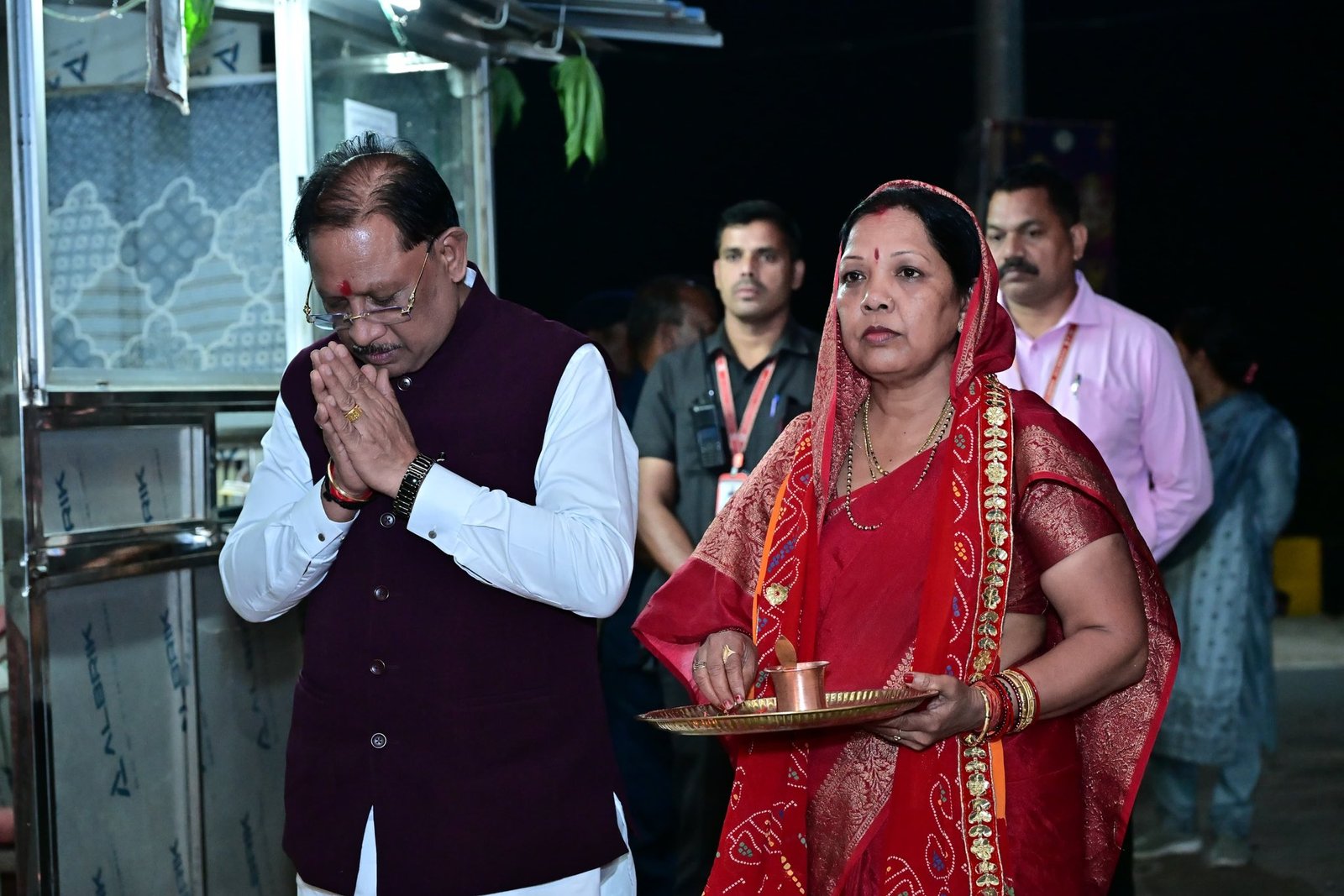
Fadnavis arrived in Lohari Sawanga at around 7.30 pm and first visited the Rashtrasant Tukdoji Maharaj temple. He participated in collective prayers and joined villagers in singing bhajans before the portrait of the revered saint, seeking happiness, peace and prosperity for everyone.
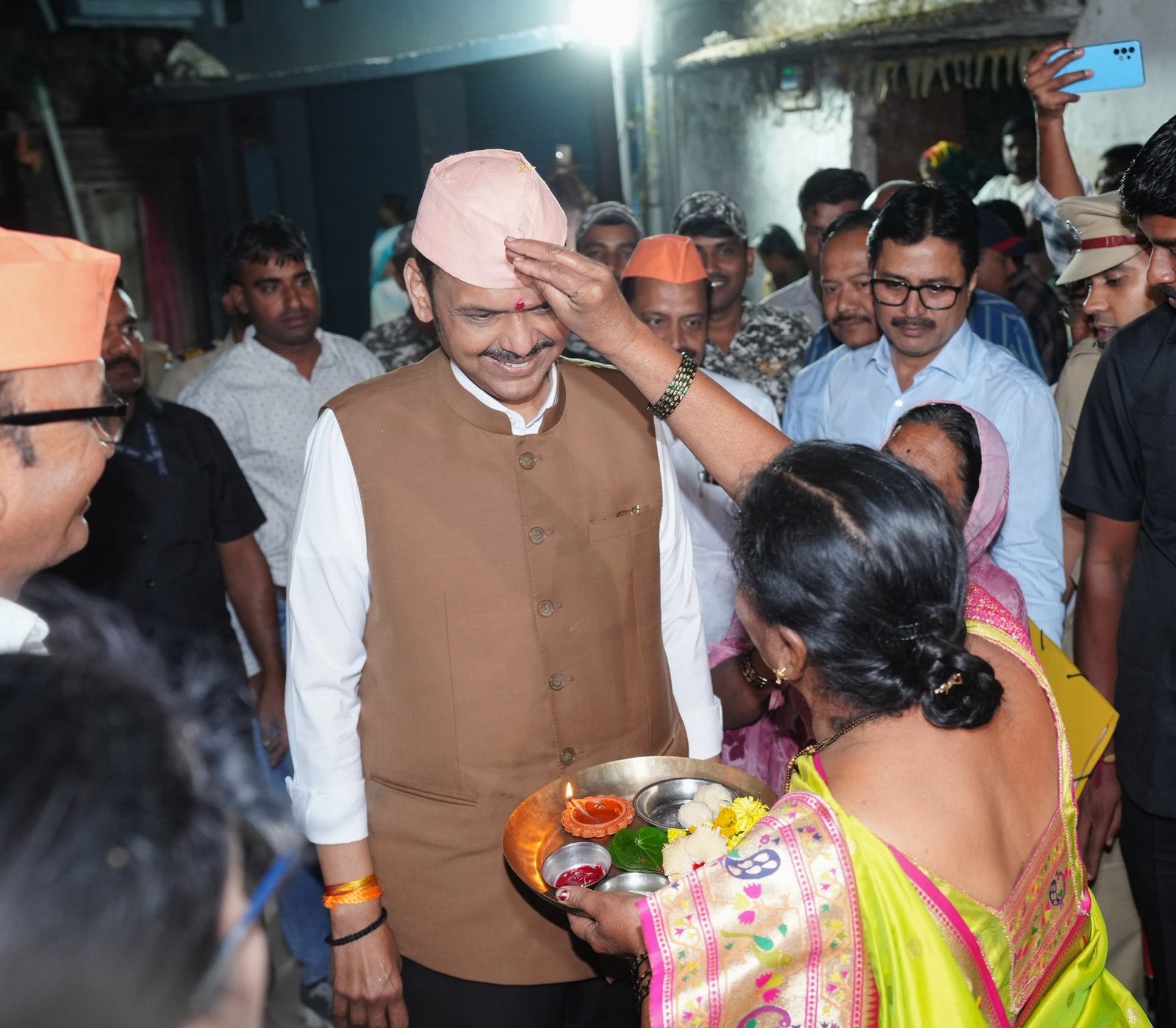
At around 8.30 pm, he reached Balpande's modest tiled-roof house, where he was welcomed by the farmer, his wife, two sons, daughters-in-law and other women from the village.
The family performed a traditional aarti and applied tilak to the Chief Minister. Fadnavis interacted warmly with the family members and enquired about their agricultural activities and the difficulties they had been experiencing because of crop losses.
He also spent some time playing affectionately with Balpande's one-year-old granddaughter.
The Chief Minister subsequently joined the family for a traditional Maharashtrian dinner. Sitting cross-legged on a wooden platform, he enjoyed a simple home-cooked meal comprising vegetables, dal, rice, chapatis and bharli vangi, a traditional stuffed brinjal preparation.
The visit provided an opportunity for the Chief Minister to experience the family's everyday circumstances and understand the challenges confronting farmers in the drought-affected region.
Farmers raise concerns over crop losses and irrigation facilities
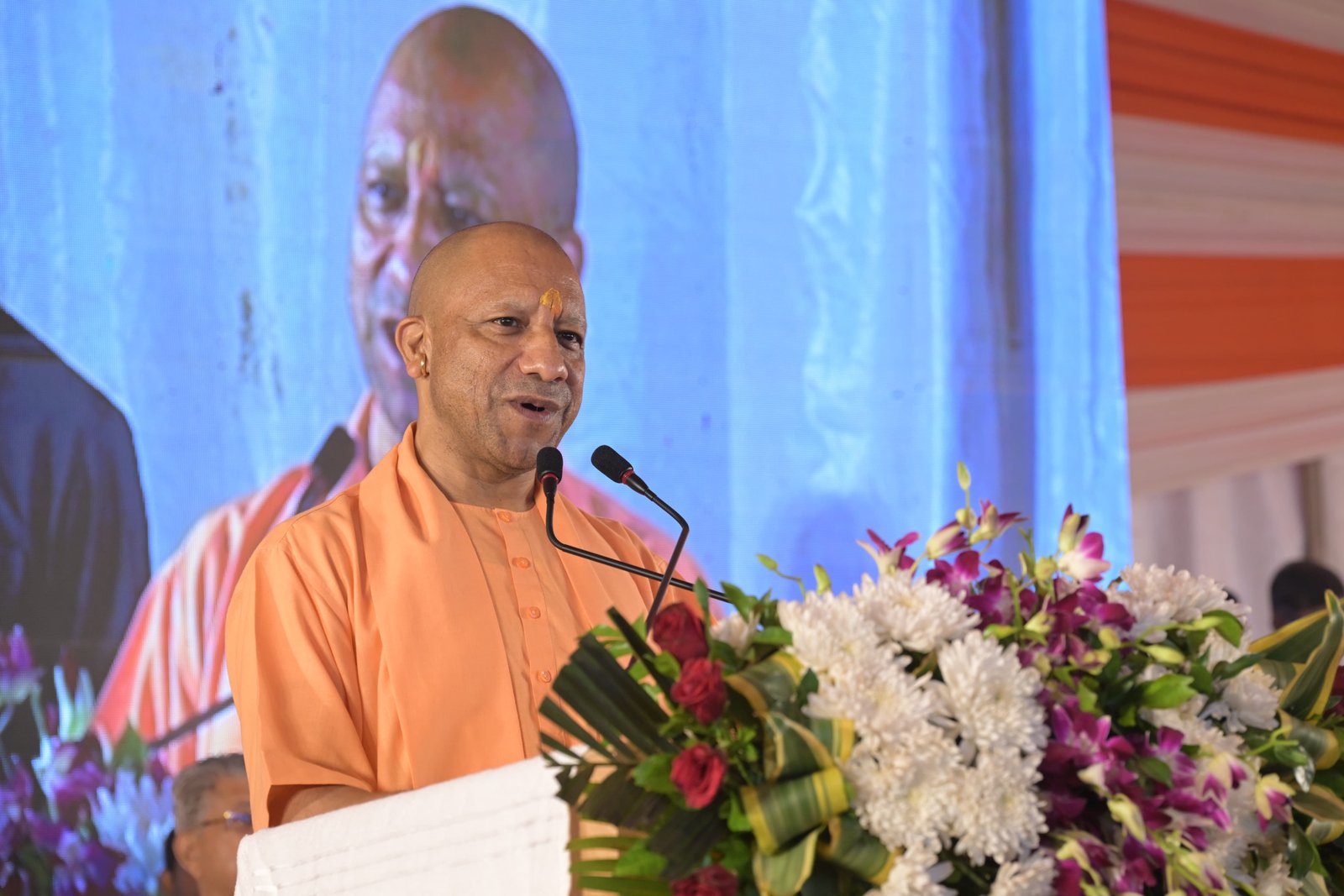
Following dinner, Fadnavis attended a gathering of approximately 100 villagers at the gram panchayat premises. The interaction continued for nearly an hour and 15 minutes, with farmers raising several concerns relating to agricultural losses, irrigation infrastructure, drinking water availability, crop conditions and local development requirements.
Acknowledging their concerns, the Chief Minister said changing weather patterns had created an increasingly difficult situation for cultivators. Several regions had experienced excessive rainfall during certain periods, followed by prolonged dry spells, resulting in extensive damage to agricultural produce.
He pointed out that soybean farmers had suffered because of inadequate pod formation, while cotton and other crops had also recorded significant losses.
Apart from agricultural damage, several areas were facing shortages of drinking water and fodder for livestock, further increasing the financial burden on rural households.
Fadnavis assured farmers that the government would extend financial assistance and introduce additional welfare measures to help affected families manage the crisis.
He also said the administration would facilitate permissions for drilling irrigation borewells wherever technically feasible to address water shortages. Measures to protect the forthcoming Rabi crop were also discussed.
Encouraging farmers to strengthen protection around their agricultural holdings, he urged them to take advantage of government schemes providing financial assistance for farm fencing.
Relief measures, loan waivers and electricity bill exemption
The Chief Minister highlighted several financial relief initiatives undertaken by the Maharashtra government to support farmers.
He said advance financial assistance of Rs 5,000 had been transferred into the bank accounts of approximately 1.5 crore farmers as part of the government's efforts to provide immediate relief.
The process of extending loan waiver benefits to eligible farmers was also underway, he added.
Fadnavis further referred to the state government's decision to provide a complete waiver of electricity bills for farmers. The initiative is estimated to involve an expenditure of approximately Rs 58,000 crore.
He said these measures were intended to reduce the financial pressure on agricultural households and provide them with additional support during the difficult farming season.
Food processing project to benefit orange growers
Drawing attention to the challenges faced by horticulture farmers, Fadnavis highlighted the difficulties confronting orange and sweet lime growers in the Katol-Narkhed region.
Farmers in the belt have suffered losses following restrictions imposed by Bangladesh on the import of these fruits, affecting an important export market for local producers.
To address such challenges and create alternative opportunities, the Chief Minister referred to a major food-processing project being developed at the Multi-modal International Cargo Hub and Airport at Nagpur (MIHAN).
He said the project was expected to create opportunities for processing agricultural produce, improve value addition and help farmers explore alternative markets.
Long-term strategy to tackle recurring drought
Emphasising the need for sustainable solutions, Fadnavis outlined a series of long-term measures aimed at improving water availability and strengthening rural infrastructure.
These include repairing existing lakes and check dams, constructing additional water conservation structures and improving farm access roads under the state's rural road development programme.
He stressed that strengthening water conservation infrastructure before the next monsoon would be essential to ensuring adequate water availability in drought-prone areas.
The Chief Minister also announced plans to organise health camps and facilitate medical treatment and surgeries for rural residents who might otherwise be unable to afford such services.
Farmer welcomes Chief Minister's visit
Farmer Rambhau Balpande expressed happiness over the Chief Minister's visit, describing it as a memorable Diwali for his family.
He said hosting Fadnavis at their home was a matter of pride and that the Chief Minister's willingness to share their concerns and spend time with the family had encouraged them to face the ongoing agricultural crisis.
The Chief Minister was accompanied by Revenue Minister Chandrashekhar Bawankule, MLAs Charansingh Thakur and Ashish Deshmukh, MLC Rajiv Potdar, Nagpur District Collector Kumar Ashirwad and Zilla Parishad Chief Executive Officer Vinayak Mahamuni.
The outreach initiative reflects the Maharashtra government's effort to engage directly with drought-affected farming communities during the festive season and reassure cultivators that their concerns and livelihood challenges remain a priority.