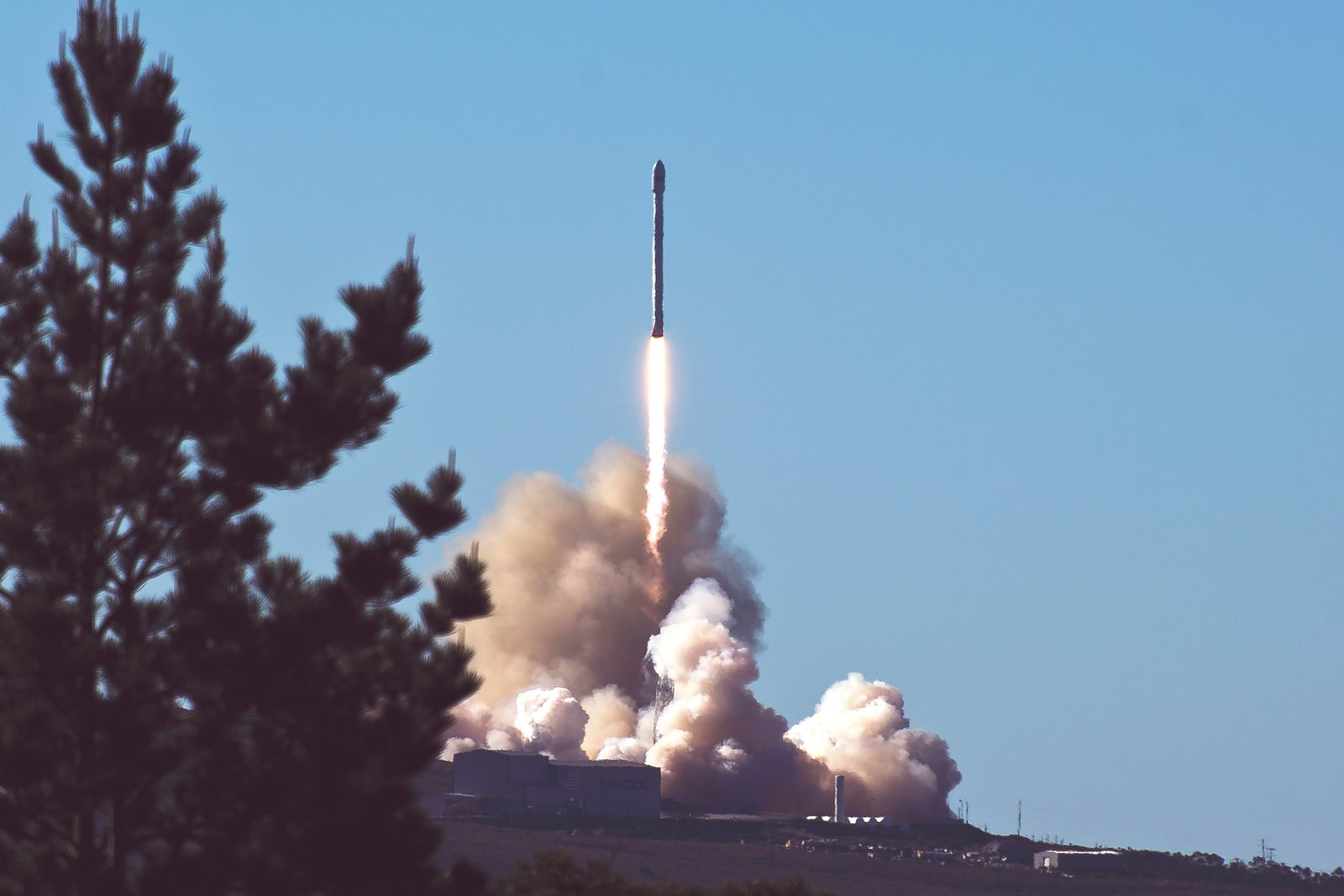
SEOUL, Aug 2026 : North Korea on Wednesday fired a ballistic missile from its eastern coast, marking its second reported missile launch in less than a week and raising tensions ahead of major annual military exercises between South Korea and the United States.
South Korea's Joint Chiefs of Staff said the missile was launched from the Wonsan area at around 6 a.m. and travelled more than 700 kilometres. The military did not immediately provide further details about the missile's exact type or altitude.
Seoul said it was maintaining a high level of military readiness and closely monitoring North Korean activities in coordination with the United States.
South Korea's presidential National Security Council condemned the launch, urging Pyongyang to halt what it described as provocative actions. The council said North Korea's ballistic missile launches violate multiple United Nations Security Council resolutions that prohibit Pyongyang from developing and testing ballistic missile technology.
Japan also detected what it believed was a ballistic missile launch from North Korea. Japan's Defence Ministry said the projectile did not appear to have entered the country's exclusive economic zone, indicating that it likely fell into waters farther from the Japanese coastline.
Launch Comes Ahead of Military Exercises
The latest missile test occurred just two days after Seoul and Washington announced that their annual Ulchi Freedom Shield military exercises would begin on August 17.
The large-scale drills are designed to strengthen the readiness of South Korean and U.S. forces to respond to potential threats from North Korea. Seoul and Washington have repeatedly stressed that the exercises are defensive in nature.
Pyongyang, however, has consistently viewed the joint exercises as rehearsals for an invasion and has frequently responded with weapons tests and strong warnings.
During last year's Ulchi Freedom Shield exercises, North Korean leader Kim Jong Un accused the United States and South Korea of demonstrating their intention to start a war. He described the drills as increasingly provocative and warned that North Korea would respond with what he called "proactive and overwhelming" countermeasures.
Wednesday's launch follows another reported North Korean missile test on August 6, when South Korea, the United States and Japan detected a short-range ballistic missile launch. That was the North's first reported ballistic weapons test since late June.
North Korea did not officially acknowledge the August 6 launch, although Pyongyang frequently releases details of weapons tests one day after they occur.
Expanding Missile and Nuclear Capabilities
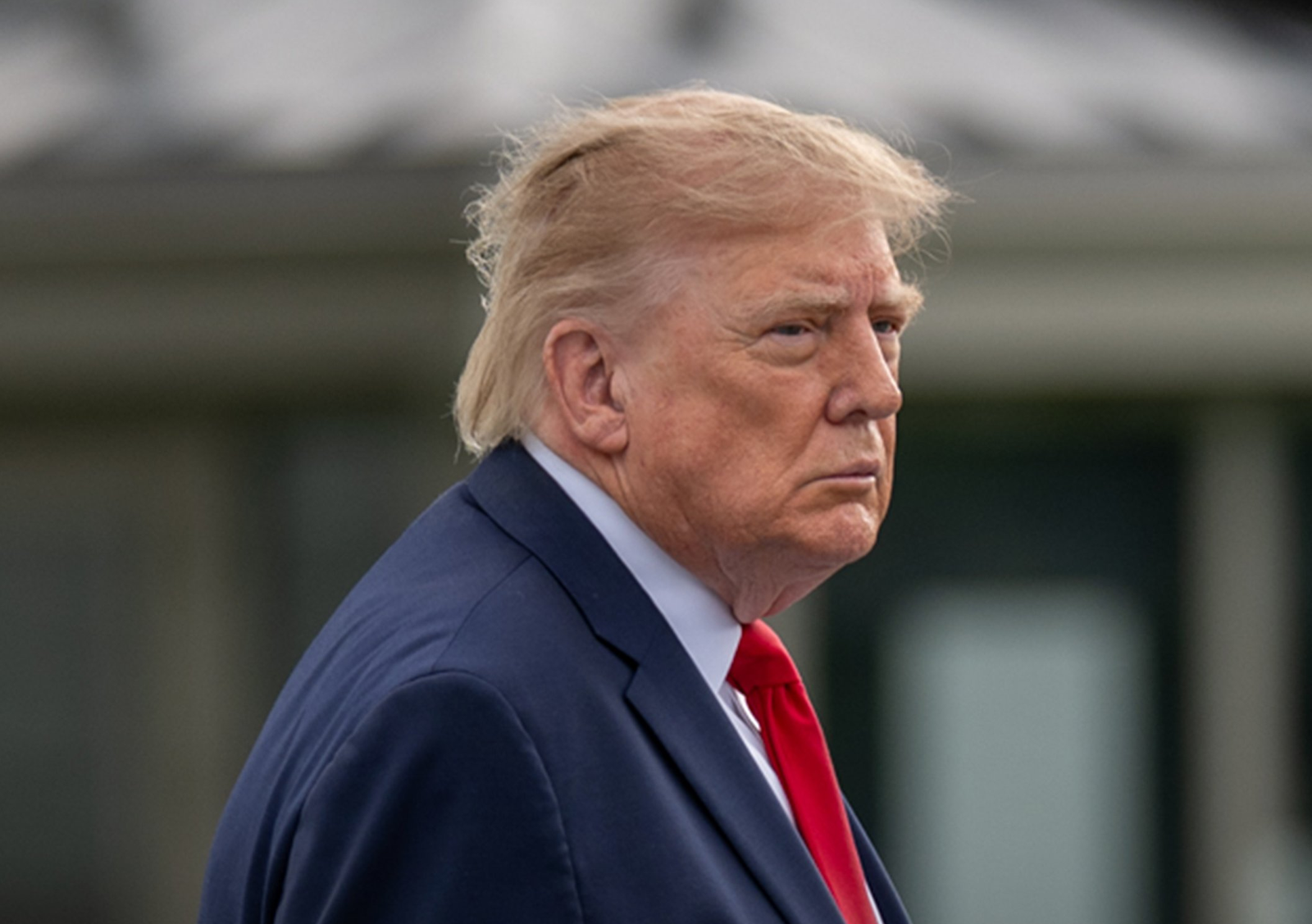
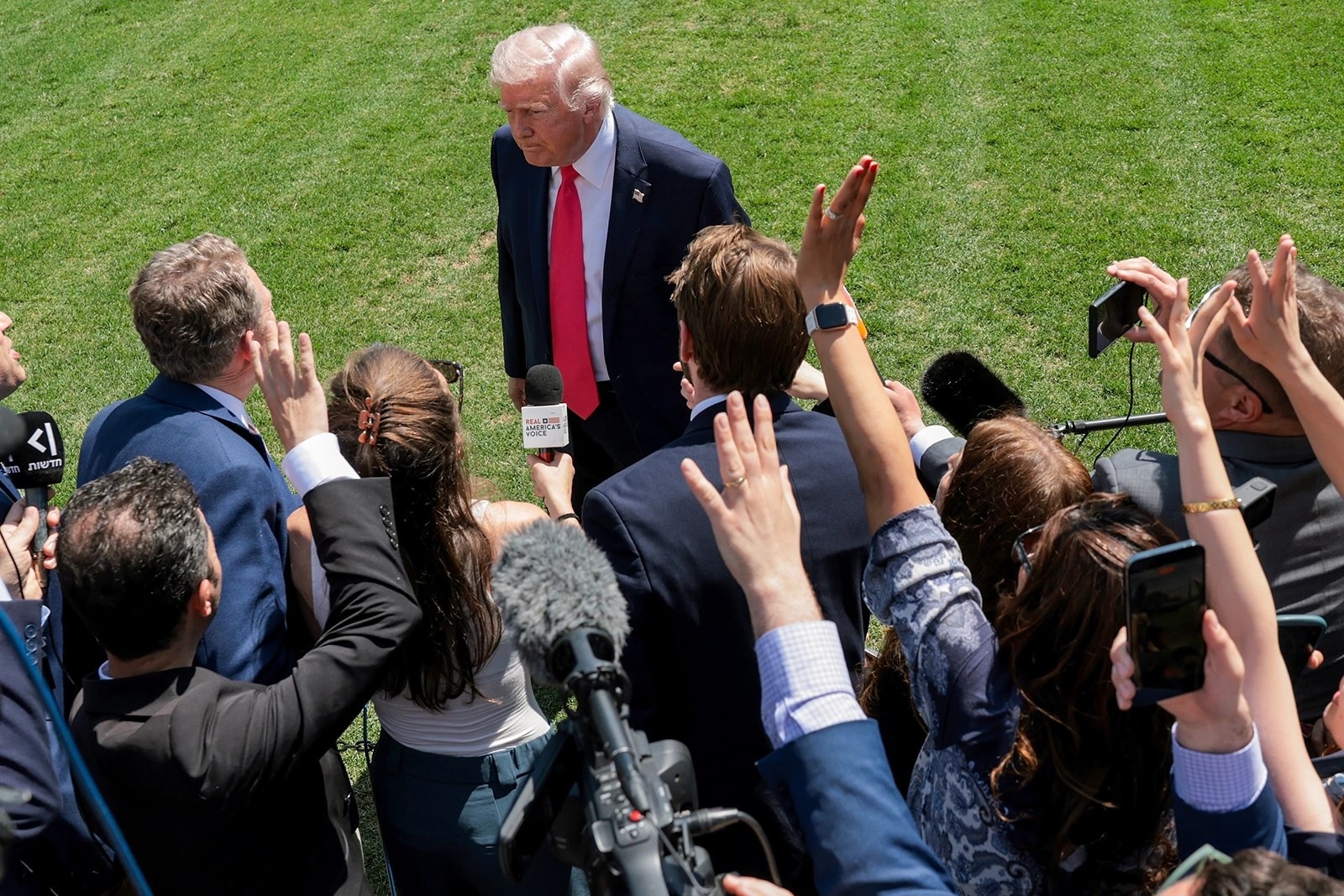
North Korea has significantly accelerated its missile and weapons development programme since diplomatic negotiations between Kim Jong Un and then-U.S. President Donald Trump collapsed in 2019.
The breakdown of high-level diplomacy has been followed by an expansion of Pyongyang's nuclear and ballistic missile capabilities. Analysts believe Kim's strategy is aimed at strengthening his bargaining position and eventually securing concessions from Washington, including possible sanctions relief.
The latest launch therefore comes at a sensitive moment, with North Korea continuing to develop systems designed to improve the range, accuracy and survivability of its missile arsenal.
Stronger Ties With Russia and China
Kim has also expanded North Korea's international partnerships in recent years, particularly with Russia. Pyongyang has provided troops and ammunition to support Moscow's war in Ukraine, deepening military cooperation between the two countries.
At the same time, North Korea has sought to strengthen ties with China, its traditional ally and an important economic partner.
Chinese President Xi Jinping visited Pyongyang in June, marking his first visit to the North Korean capital in seven years and underscoring the renewed importance of relations between the two countries.
For South Korea, the latest missile launch highlights the continuing security challenge posed by North Korea just days before the start of joint military exercises with Washington. As the drills approach, regional governments are expected to maintain heightened surveillance and readiness amid concerns that Pyongyang could conduct further weapons tests.
(The content of this article is sourced from a news agency and has not been edited by the Mavericknews30 team.)