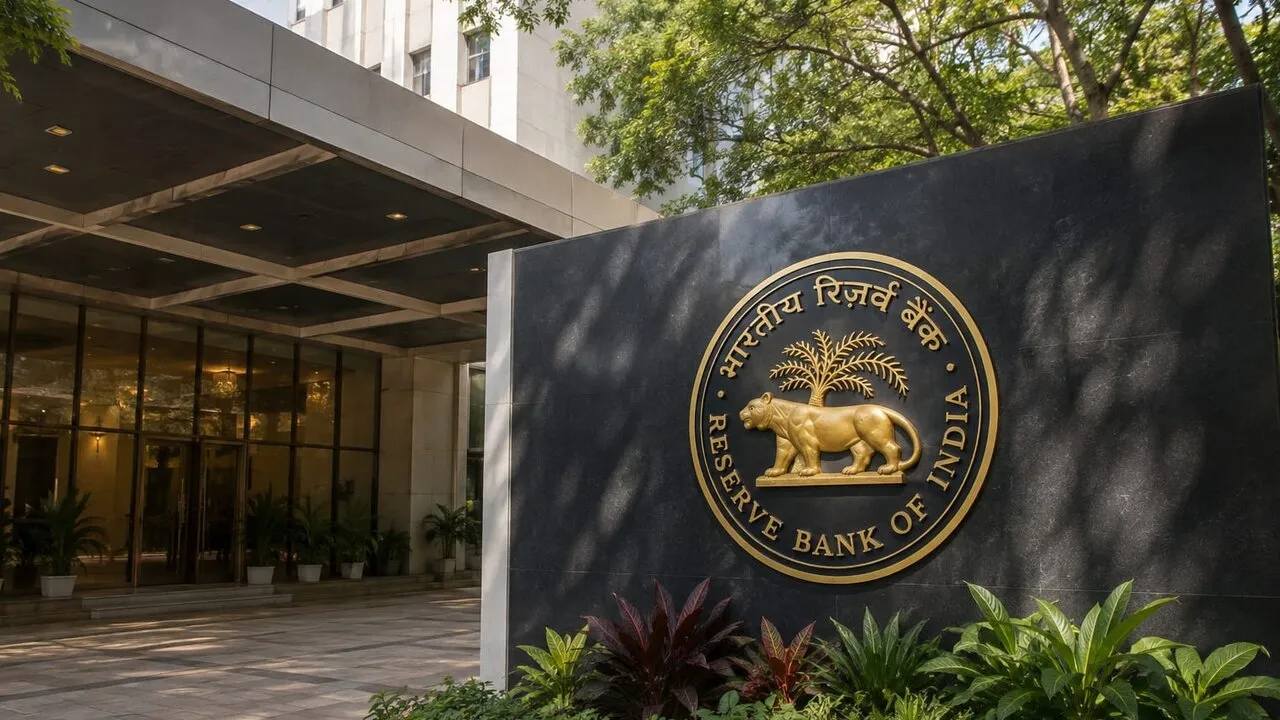
Mumbai, November 2026 : The Reserve Bank of India (RBI) has proposed a series of measures to strengthen customer protection against fraudulent electronic banking transactions, including a ‘Stop Switch’ facility that would allow bank customers to immediately block outward payments from their accounts.
The proposed facility is part of the RBI’s draft framework on ‘Customer Protection in Fraudulent Electronic Banking Transactions’, which seeks to strengthen the existing rules governing customers’ liability in cases of unauthorised digital transactions. The central bank said that, besides addressing liability after fraud occurs, there is a need to improve preventive safeguards by giving customers greater control over the use of digital payment channels.
Under the proposed guidelines, banks would be required to provide customers with a Stop Switch facility to immediately disable all future outward debits associated with their accounts.
However, the facility would not cover debits arising from existing recurring payment mandates and standing instructions. It would also exclude lien marking and debits initiated by banks to recover outstanding charges, loan instalments and other dues.
The RBI said the proposed measure is intended to give customers an immediate option to restrict outgoing transactions when they suspect unauthorised access or potential fraud. The facility would add another layer of control over electronic banking activity.
Expanded Definition of Bank Negligence
The draft directions also propose a wider definition of ‘negligence by a bank’ to ensure that customers are protected against fraudulent transactions resulting from failures or lapses on the part of banks.
The expanded definition would cover bank-side system malfunctions, security breaches and collusion involving bank employees or third parties engaged by a bank, where such actions or failures facilitate or result in fraud.
According to the draft directions, “Negligence by a bank means any act of omission or commission on the part of the bank which results in or contributes to the occurrence of a fraudulent electronic banking transaction in a customer account.”
The proposed change is aimed at making banks more accountable for weaknesses in their systems, security arrangements and operational processes that may expose customers to electronic banking fraud.
Trusted Person Mechanism for High-Value Transfers
Another major proposal is the introduction of a ‘Trusted Person Mechanism’ (TPM), under which customers would be able to nominate an individual to provide an additional layer of authentication for fund transfers exceeding a threshold specified by them.
Under this voluntary arrangement, any transaction above the customer-defined limit would trigger a notification to the nominated trusted person through communication channels made available by the bank.
The notification would contain key transaction details, including the amount being transferred, the beneficiary's name, account number and mobile number, along with any narration entered by the customer while initiating the transaction.
The trusted person would have one hour from receiving the notification to provide consent through the authentication method prescribed by the bank. The transaction would be processed only after consent is received.
If the trusted person rejects the transaction or fails to respond within the stipulated one-hour period, the bank would have to reject the transfer.
The RBI has clarified that the mechanism would require the explicit consent of both the customer and the nominated individual. The trusted person would not receive access to the customer's bank account and would not be held liable for transactions carried out through it.
Certain Payments Excluded from the Mechanism
The proposed Trusted Person Mechanism would not apply to UPI payments, merchant payments or recurring transactions carried out through standing instructions, e-mandates or National Automated Clearing House (NACH) mandates.
The RBI said the measures form part of its broader effort to strengthen safeguards against fraudulent electronic banking transactions and improve customer control over digital payments.
The proposed provisions are contained in the draft RBI (Commercial Banks – Responsible Business Conduct) Fifth Amendment Directions, 2026.
The directions are scheduled to come into effect from July 1, 2027, although individual banks may choose to implement them earlier.