November 2026: Maharashtra’s movement towards women’s economic empowerment began with the formation of self-help groups (SHGs). What started informally in the 1970s gradually developed into an organised movement. In 1992-93, NABARD launched the SHG-Bank Linkage Programme, while the Reserve Bank of India permitted SHGs to open savings accounts with banks in 1993. The movement gained further momentum in 1999 with the Central Government’s Swarnjayanti Gram Swarozgar Yojana. Subsequently, the National Rural Livelihoods Mission, launched in 2011, provided a new direction to the initiative at the national level.
Over the years, the journey of rural women has moved beyond savings to include businesses, manufacturing and entrepreneurship. However, despite their skills and hard work, many women’s self-help groups continue to face difficulties in finding suitable markets for their products.
To address this challenge, the Maharashtra government has taken up an ambitious initiative to establish a dedicated and permanent marketplace for products made by women’s SHGs through the proposed ‘Savitribai-Umed Mall’. The initiative is beginning in Pune and is expected to provide a major boost to rural women entrepreneurs.
The mall is being developed through the Pune Zilla Parishad to provide wider market access to products manufactured by women’s SHGs, ensure fair returns for their efforts and create opportunities for rural women to become financially independent.
In the first phase, the Rural Development Department has granted administrative approval for an estimated expenditure of Rs 19.99 crore. The Government Resolution in this regard was issued on October 27, 2026. The overall project is estimated to cost around Rs 75 crore, with the remaining funds expected to be made available through the District Planning Committee. This approval marks a significant step towards starting construction.
Pune district has approximately 27,000 women’s self-help groups, involving more than three lakh women. These groups manufacture a wide range of products, including agricultural produce, processed food, spices, grains, honey, fruits, vegetables, handicrafts and other value-added goods.
Many women have established their identities through businesses that began at the household level. However, finding suitable outlets, reaching customers and securing fair prices remain major challenges. Sales opportunities are often limited to fairs, exhibitions and special promotional events. The proposed mall is expected to address the need for a permanent retail platform.
Facilities Planned at the Mall
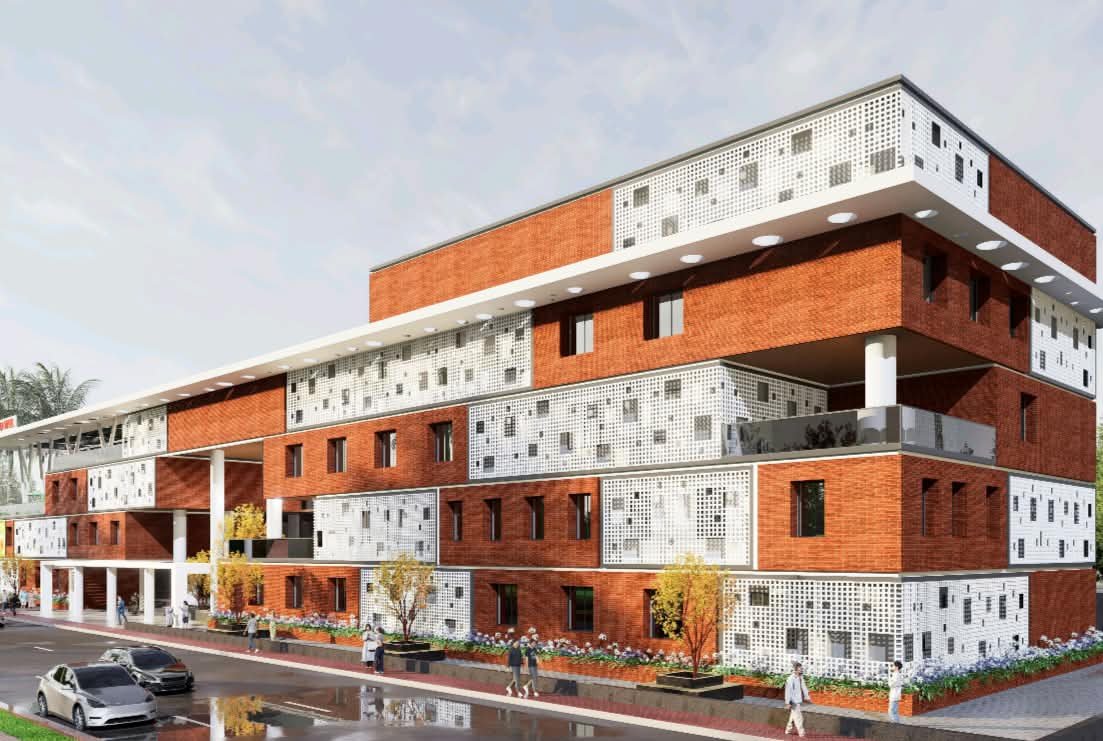
The proposed mall will have a built-up area of approximately 1.12 lakh square feet, with facilities for retail operations, offices, training, accommodation and community activities.
Two basement floors will provide parking for 250 two-wheelers and 86 four-wheelers. The ground floor will house a shopping mall and seven commercial shops. The first floor will include another shopping mall, a bank, office spaces and storage facilities.
The second floor will have offices, a cafeteria, a hostel and a training hall. The third floor will accommodate a multipurpose hall, stage, kitchen and dining facilities, while the fourth floor will have office rooms and an open terrace.
These facilities will provide SHGs with a common platform not only to sell their products but also to conduct business training, guidance sessions, meetings and other activities. The project aims to strengthen the entire process, from production to reaching consumers.
Expanding Market Access and Branding Opportunities
Several initiatives are already being implemented to promote products made by women’s SHGs. These include Umed Savitri Bread, Umed Mart, Punyeshree Super Market, the Savitri sales outlet at Pune airport, Savitri Haat, fairs, exhibitions and buyer-seller meetings.
The Savitribai-Umed Mall is expected to expand these efforts by creating an integrated system for product collection, grading, packaging, storage, branding and distribution. It will also open up opportunities for e-commerce sales.
This could help products manufactured in rural areas reach a much wider customer base instead of remaining confined to local markets.
The SHG movement has evolved beyond encouraging savings. It has brought rural women together, familiarised them with financial transactions and given them the confidence to establish their own businesses. Many women have built livelihoods through food processing, small-scale industries and other enterprises.
Strengthening marketing and sales channels is now essential to take these businesses to the next level. The proposed mall is expected to provide an important platform for securing better market prices, increasing incomes, generating employment and expanding women's participation in the rural economy.
Pune Zilla Parishad President Veerdhawal Jagdale said the primary objective of the initiative was to provide women’s self-help groups with a dedicated and extensive marketplace. He expressed confidence that the project would give their products a new identity and promote higher incomes and financial independence.
Chief Executive Officer Gajanan Patil said the Zilla Parishad had made sustained efforts to turn the project concept into reality. He said the centre would provide an integrated platform for product collection, grading, packaging, storage, branding and marketing.
Vice-President Vivek Balse Patil expressed confidence that the project would connect rural women entrepreneurs with larger markets and strengthen the district’s rural economy.
The Zilla Parishad has also expressed gratitude to Deputy Chief Minister and Pune District Guardian Minister Sunetra Ajit Pawar and Rural Development Minister Jaykumar Gore for their support in securing administrative approval.
According to the Government Resolution, construction is planned to be completed within a maximum period of two years after work begins.
The significance of the Savitribai-Umed Mall goes beyond the creation of a large commercial centre. It aims to provide a dedicated platform for the hard work and enterprise of thousands of women’s self-help groups in Pune district.
Products manufactured by women in villages will gain an opportunity to reach consumers in Pune’s larger urban marketplace. By connecting women's skills with business opportunities and businesses with sustainable markets, the project is expected to open new pathways towards economic independence.
The initiative is expected to mark an important milestone in providing rural women with employment, better market access and fair returns for their efforts, while giving a fresh direction to women-led entrepreneurship and strengthening Maharashtra's rural economy.