Khan Younis, November 2026 : At least six people were killed and around 20 others injured in Israeli airstrikes targeting Nasser Hospital in Khan Younis, southern Gaza, on Thursday, according to Gaza's Civil Defence Department and health authorities. One of those killed was reportedly a surgeon working at the hospital.
The strikes hit the hospital's surgery department, damaging parts of the medical complex and triggering panic among patients, their families and healthcare workers. Emergency and rescue teams launched operations to retrieve bodies and evacuate people trapped or stranded amid the debris.
According to information provided by local authorities, the attack struck the surgery department of the Nasser Medical Complex, one of the few major healthcare facilities continuing to provide medical services in southern Gaza despite prolonged conflict and severe shortages of resources.
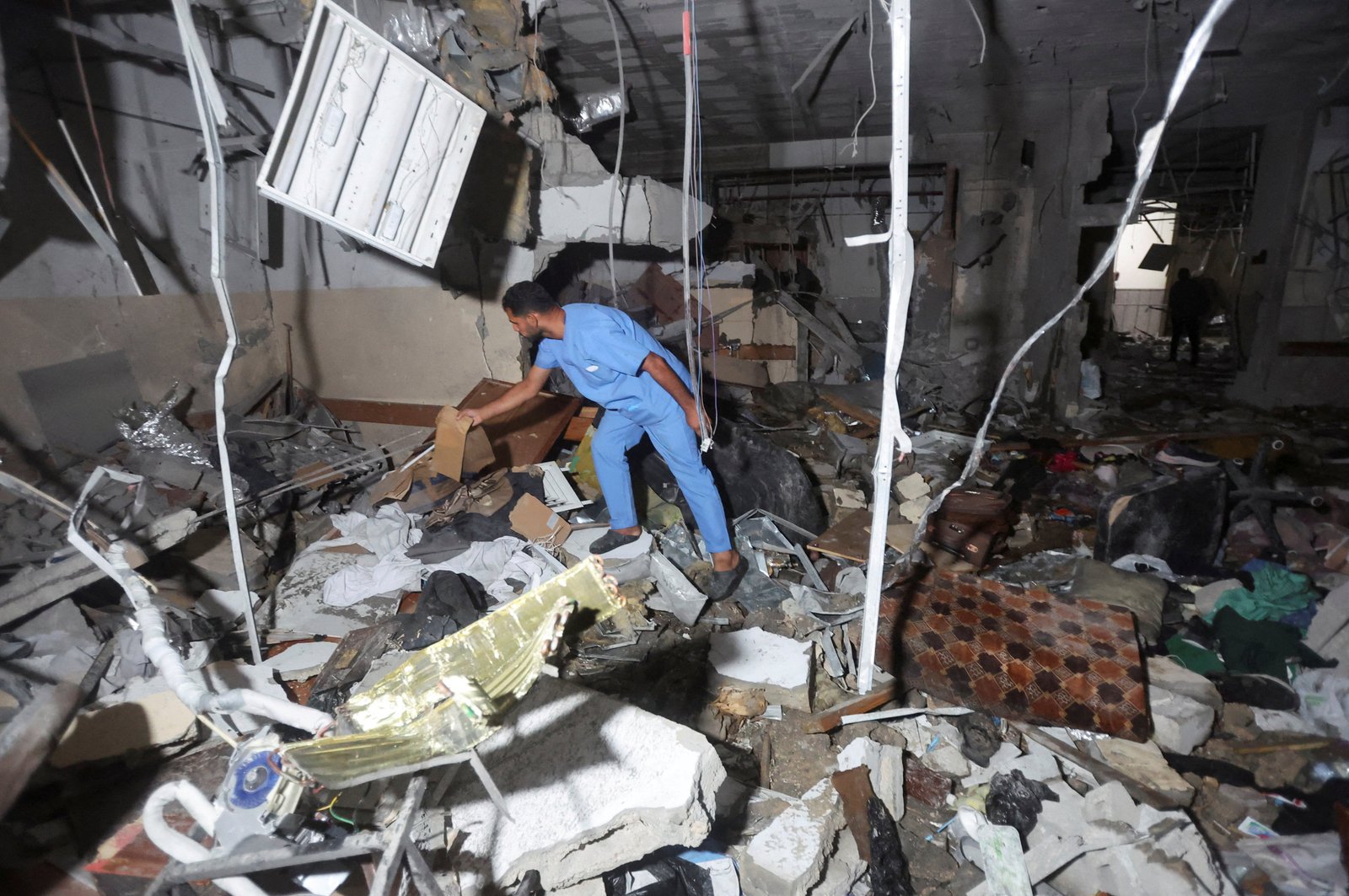
The hospital building sustained substantial damage. Debris was scattered across parts of the premises, sections of the ceilings were damaged and electrical wires were left hanging. Rescue workers had to navigate damaged corridors and rubble while carrying out evacuation and recovery operations.
Six Bodies Recovered, Around 20 Injured
Gaza Civil Defence spokesperson Mahmoud Basal said six bodies had been recovered following the strikes, while approximately 20 injured people were taken for medical treatment.
Local health officials said one of the deceased was a medical professional associated with the hospital's surgical services. The death of a healthcare worker has added to concerns over the safety of medical personnel operating in the conflict-affected territory.
The strikes reportedly caused confusion and panic inside the hospital, where patients, displaced families and medical staff were present. Rescue teams worked to move people away from damaged sections of the building and bring those affected to safer locations.
Several people were reportedly evacuated through damaged passageways, while emergency workers searched through debris for victims. Relief and rescue personnel also inspected the affected areas to assess the extent of the destruction and carry out recovery operations.
Surgery Department Suffers Damage
Media reports said the airstrike hit the surgery department located in the Al-Yassin building within the Nasser Hospital complex. A section of the building's second floor was reportedly damaged.
Photographs and videos from the hospital showed rubble scattered across the premises, damaged furniture and electrical wires hanging from the ceiling. Damage was also visible in parts of the hospital corridors.
Nasser Hospital is a critical healthcare institution for residents of Khan Younis and surrounding areas. With several medical facilities in Gaza having been damaged or rendered non-functional during the prolonged conflict, the hospital has continued to play an important role in treating patients and providing emergency medical services.
The latest damage has raised fresh concerns about the ability of the facility to maintain its operations, particularly its surgical and emergency care services. The situation is especially worrying for patients requiring urgent treatment, including children, elderly people and those suffering from serious or chronic illnesses.
Israeli Military Gives Its Account
The Israeli military offered a different explanation for the operation, saying it had targeted Hamas members and other operatives present at the hospital.
The military alleged that Hamas had been using the hospital premises for military activities, including operating a command centre, maintaining storage facilities and conducting surveillance-related operations.
However, these allegations have not been independently verified. Reuters also reported that it could not independently confirm the Israeli military's claims.
Hamas condemned the strikes, describing them as a war crime. The Palestinian group rejected the attack and criticised the targeting of a medical facility.
The accounts provided by the two sides differ sharply, with Israel maintaining that it targeted individuals allegedly involved in military activities, while Hamas and local authorities have condemned the strikes and highlighted the casualties and damage at the hospital.
Violence Continues Despite Ceasefire
The latest attack comes amid continuing tensions in Gaza despite the ceasefire agreement that came into effect in October 2025. Although the truce was intended to halt prolonged hostilities, facilitate humanitarian assistance and create conditions for the restoration of normal life, incidents of violence have continued to be reported.
Israel and Hamas have repeatedly accused each other of violating the ceasefire, with disagreements over security arrangements and military operations continuing to fuel tensions.
According to Gaza health authorities, more than 1,600 Palestinians have been killed in Israeli attacks since the ceasefire came into force in October 2025. The Israeli side has also reported the deaths of its soldiers during the same period. Both sides have continued to exchange accusations over responsibility for the renewed violence.
The continuing attacks have raised questions about the durability of the ceasefire and the prospects for a sustained reduction in hostilities. For civilians in Gaza, the persistence of violence has meant that the threat to life and access to essential services remains.
Gaza's Healthcare System Under Severe Pressure
Gaza's healthcare system was already facing a major crisis before the latest attack. Hospitals and medical facilities have been struggling with shortages of medicines, medical equipment, electricity and other essential supplies. Prolonged fighting has also resulted in a large number of injured people requiring treatment, placing additional pressure on an already overstretched medical infrastructure.
Damage to Nasser Hospital could further complicate the delivery of healthcare in southern Gaza, where the facility remains an important centre for emergency treatment and surgical procedures.
The safety of doctors, nurses, rescue personnel and patients has emerged as a major concern as medical institutions continue to function under difficult conditions. Hospitals are expected to provide treatment to civilians irrespective of the circumstances, while medical workers face risks as they attempt to keep essential services operational.
The latest airstrikes have once again drawn attention to the vulnerability of healthcare facilities in conflict zones and the challenges faced by medical personnel working amid continuing hostilities. The impact on patients, particularly children, elderly people and those requiring urgent or specialised care, is likely to remain a major humanitarian concern as tensions persist.