
Washington, Aug 2026 : The United States Central Command (CENTCOM) has said that the southern route through the strategically important Strait of Hormuz remains open to commercial shipping, even as tensions with Iran continue to raise concerns over maritime security and the uninterrupted movement of global trade. In a statement posted on X, CENTCOM said the southern route remains available to commercial vessels seeking to transit the international waterway. The US military command also claimed that American forces have assisted more than 1,000 vessels in safely navigating the strait over the past three months despite what it described as “unwarranted Iranian aggression.” “The southern route through the Strait of Hormuz remains free and open for all commercial vessels seeking to transit the international waterway,” CENTCOM said, adding that commercial transits were continuing.
The Strait of Hormuz is a critical global maritime chokepoint and one of the world's busiest shipping routes. Any prolonged disruption could have significant consequences for international trade, particularly energy supplies and the movement of essential industrial commodities. The latest CENTCOM statement comes amid heightened tensions in the Gulf, with Washington maintaining a substantial military presence in the region to support maritime security and what it describes as freedom of navigation.
CENTCOM has also provided details of its recent maritime operations. In an earlier update, it said US forces had redirected 45 commercial vessels, disabled two vessels and boarded two others as part of efforts to enforce the ongoing US blockade against Iran. The operations were being conducted while US naval assets remained deployed in regional waters.
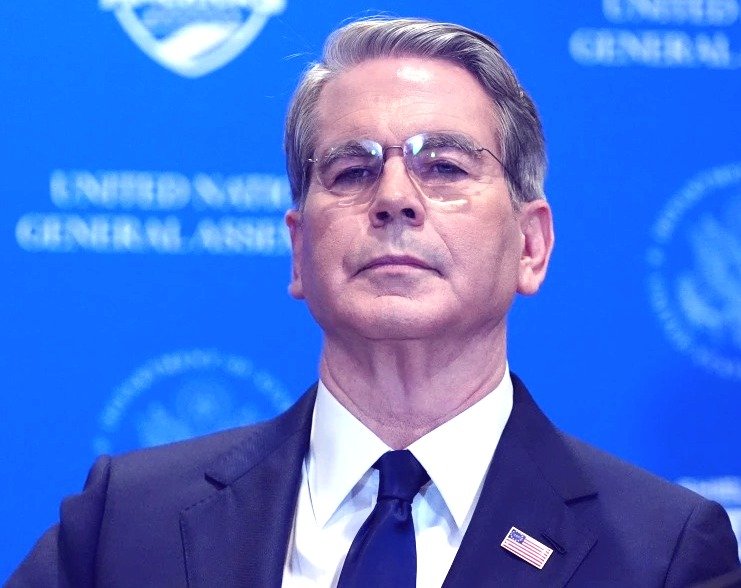
Meanwhile, diplomatic efforts appear to be continuing alongside the military operations. US Treasury Secretary Scott Bessent said Washington was engaged in discussions with Tehran and suggested that an agreement to reopen the Strait of Hormuz could potentially be reached within a day or two. “We are in talks with the Iranians, and I think there is a chance we may have a deal today or tomorrow to open the strait and move towards a more normalised position in this conflict,” Bessent said in an interview with CNBC. Asked whether Iran could impose a toll on ships using the strategic waterway, Bessent said the objective would be “freedom of movement.” He also predicted that shipping and commodity prices could decline once hundreds of vessels currently delayed in the Gulf are able to resume their journeys.
According to Bessent, the impact of the disruption extends beyond crude oil and energy markets, affecting fertilisers, refined petroleum products and industrial gases. US Secretary of State Marco Rubio separately said Washington viewed the denuclearisation of Iran as its ultimate objective, while reopening the Strait of Hormuz was the immediate priority. The contrasting military and diplomatic developments underscore the strategic importance of the waterway.
While CENTCOM maintains that a southern route remains open, negotiations aimed at restoring normal maritime traffic could prove crucial in preventing further disruption to global trade and energy markets. (The content of this article is sourced from a news agency and has not been edited by the Mavericknews30 team.)