Russia’s fifth-generation fighter combines radar-absorbent technology with digital camouflage, reflecting a different approach to survivability and visual deception
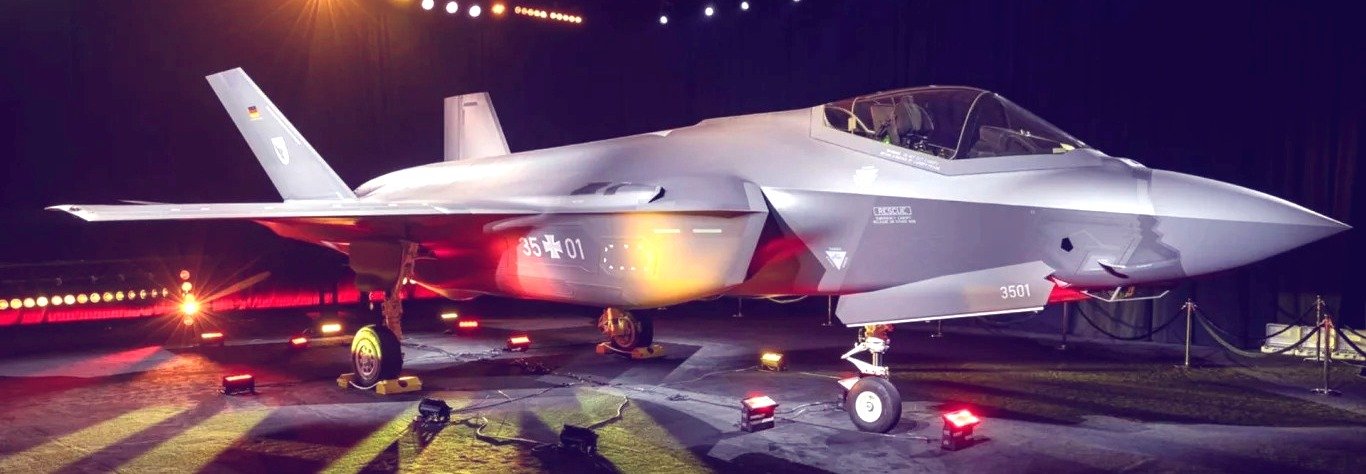
New Delhi, September 2026: An analysis of the stealth features of Russia’s Su-57 fighter jet highlights a distinctive approach to aircraft survivability compared with the design philosophy associated with American fifth-generation fighters such as the F-22 Raptor and F-35 Lightning II, according to Vietnamese media reports.
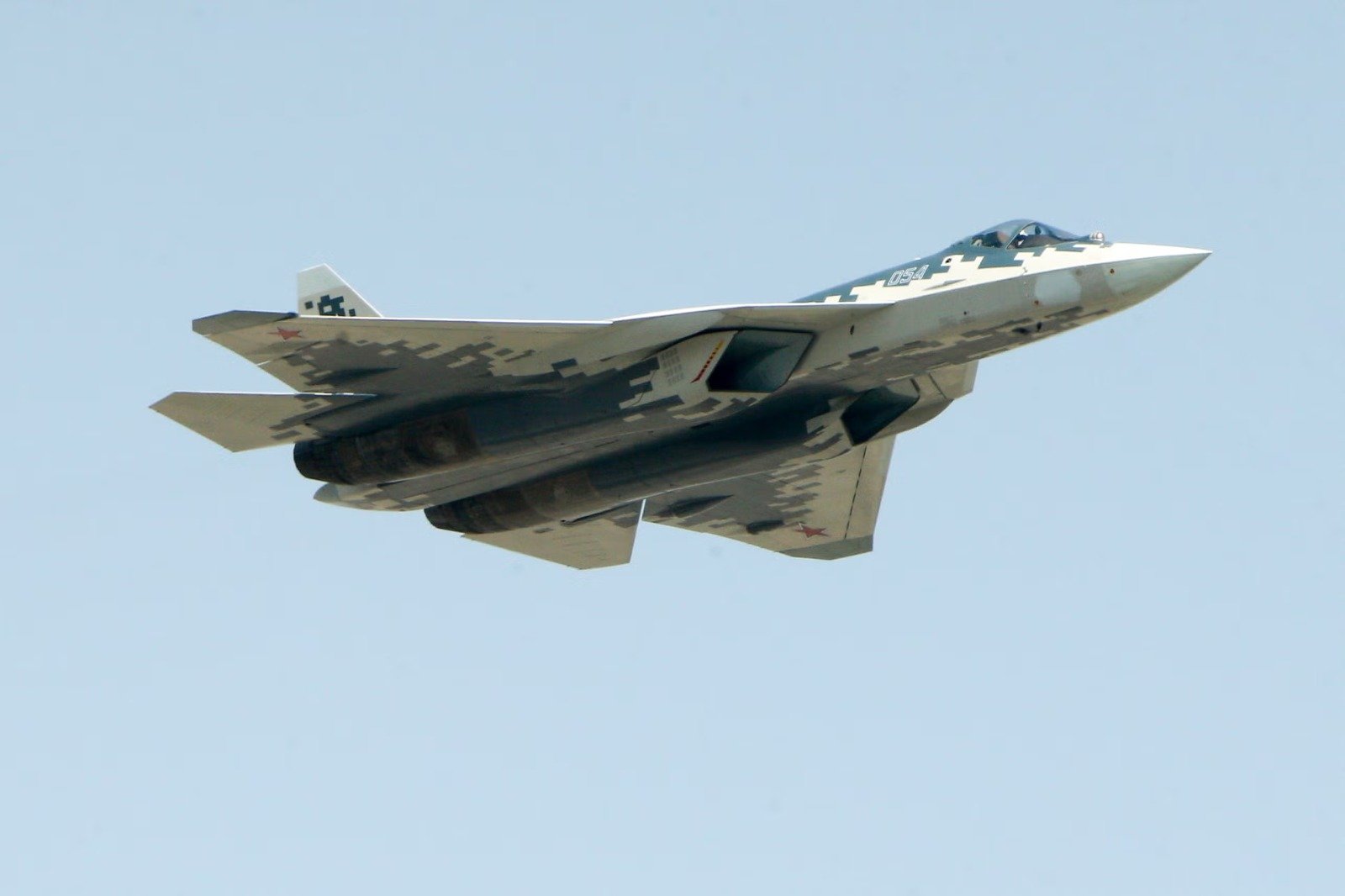
While all three aircraft are designed with low-observable characteristics, the Su-57 stands out for its distinctive pixelated camouflage pattern. Unlike the predominantly uniform grey finish seen on American stealth fighters, the Russian aircraft uses angular geometric shapes and multiple colour bands intended to disrupt its visual outline.
Stealth technology begins with the overall aerodynamic design of an aircraft, the shaping of its airframe and the materials used in its construction. Radar-absorbing materials and coatings are employed to reduce the amount of radar energy reflected back towards an adversary.
Some radar-absorbing materials use compounds designed to absorb electromagnetic energy and convert it into heat. Managing the resulting thermal energy is important because an increase in heat can potentially contribute to an aircraft's infrared signature. Advanced coatings and layered materials are therefore used to control the distribution and dissipation of heat.
American fifth-generation fighters generally feature relatively uniform grey finishes. Their low-observable designs, advanced radar systems and sensor suites are closely associated with a doctrine that places considerable emphasis on detecting threats at extended ranges, engaging them with precision weapons and reducing exposure to enemy aircraft.
The Su-57's pixelated finish represents a different emphasis. Its irregular geometric patterns can make the aircraft's outline harder to distinguish visually, particularly during manoeuvres. Analysts have also suggested that such patterns could complicate image-based identification by cameras, drones and other electro-optical surveillance systems.
However, the effectiveness of camouflage against modern computer-vision systems depends on factors including sensor resolution, viewing distance, lighting and the algorithms being used. The paint scheme should therefore be viewed as one element of a broader survivability package rather than a substitute for radar stealth.
The difference also reflects contrasting assumptions about aerial combat. In an environment where both sides operate advanced low-observable aircraft, the advantage of long-range detection may be reduced. This could increase the importance of sensor fusion, electronic warfare, manoeuvrability and visual-range combat capabilities.
The Su-57 combines low-observable features with high manoeuvrability and advanced sensors, reflecting Russia's emphasis on maintaining flexibility across different combat scenarios.
Comparison of Stealth and Camouflage Approaches
| Characteristic | F-22/F-35 (US) | Su-57 (Russia) |
|---|---|---|
| Surface appearance | Predominantly uniform grey finish | Digital/pixelated camouflage |
| Visual objective | Blend with the surrounding sky and reduce visual contrast | Disrupt the aircraft’s visible outline |
| Stealth approach | Airframe shaping, radar-absorbing materials and integrated sensors | Airframe shaping, radar-absorbing materials and integrated sensors |
| Primary combat emphasis | Strong focus on beyond-visual-range combat | Combination of long-range combat and close-range manoeuvrability |
| Additional camouflage role | Primarily visual blending | Visual disruption and potential challenges for automated identification |
| Key technologies | AESA radar, sensor fusion and low-observable design | AESA radar, infrared sensors, electronic warfare and low-observable features |
Ultimately, the Su-57's distinctive camouflage should be understood within the wider architecture of Russian fighter design. Its effectiveness cannot be separated from the aircraft's radar signature, sensors, electronic warfare capabilities, weapons and manoeuvrability.
The comparison demonstrates that fifth-generation aircraft can pursue similar broad goals — reducing detectability and improving survivability — while employing different design priorities and operational concepts.
(Disclaimer :The content of this article is sourced from a news agency and has not been edited by the Mavericknews30 team.)