New Delhi, Aug 2026 : India’s ambitious Sudarshan Chakra air defence shield could face its toughest challenge not when the first wave of missiles and drones arrives, but when a conflict stretches into weeks or months and interceptor stocks begin to decline. The experience of Ukraine and conflicts in West Asia has demonstrated that even sophisticated air defence networks can come under severe pressure when attacks continue at high intensity and missile inventories become difficult to replenish.
India’s objective with Sudarshan Chakra is to establish a layered air defence architecture capable of responding to increasingly complex and saturation-style attacks. Two indigenous systems, the Quick Reaction Surface-to-Air Missile (QRSAM) and Akash-NG, are expected to play an important role in building this defensive network.
Reports indicate that India is preparing parallel orders for around 1,000 QRSAM and 1,000 Akash-NG missiles, potentially representing one of the country’s largest indigenous missile production programmes. Beyond the numbers, the proposed procurement highlights a strategic shift towards ensuring that India has sufficient stocks to sustain operations during a prolonged conflict.
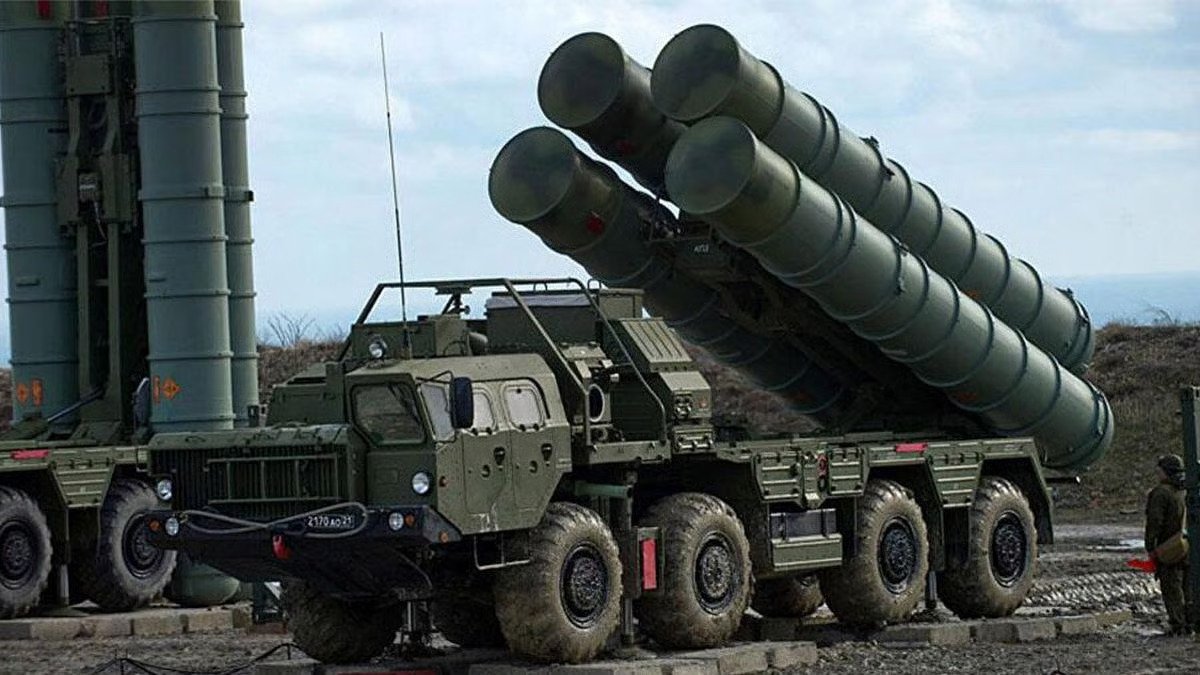
The QRSAM is designed primarily for mobile air defence and is deployed on high-mobility 8x8 platforms. The system incorporates its own surveillance and fire-control radars, allowing formations to operate with considerable mobility while responding rapidly to aerial threats. With an engagement range of roughly 25-30 kilometres and altitude coverage extending to around 6-10 kilometres, the system is intended to counter threats including aircraft, drones and precision-guided weapons.
Deliveries of the proposed QRSAM order are expected to take several years. However, once production lines achieve greater stability and efficiency, manufacturing cycles could potentially be compressed significantly, improving the military’s ability to replenish stocks during periods of heightened demand.
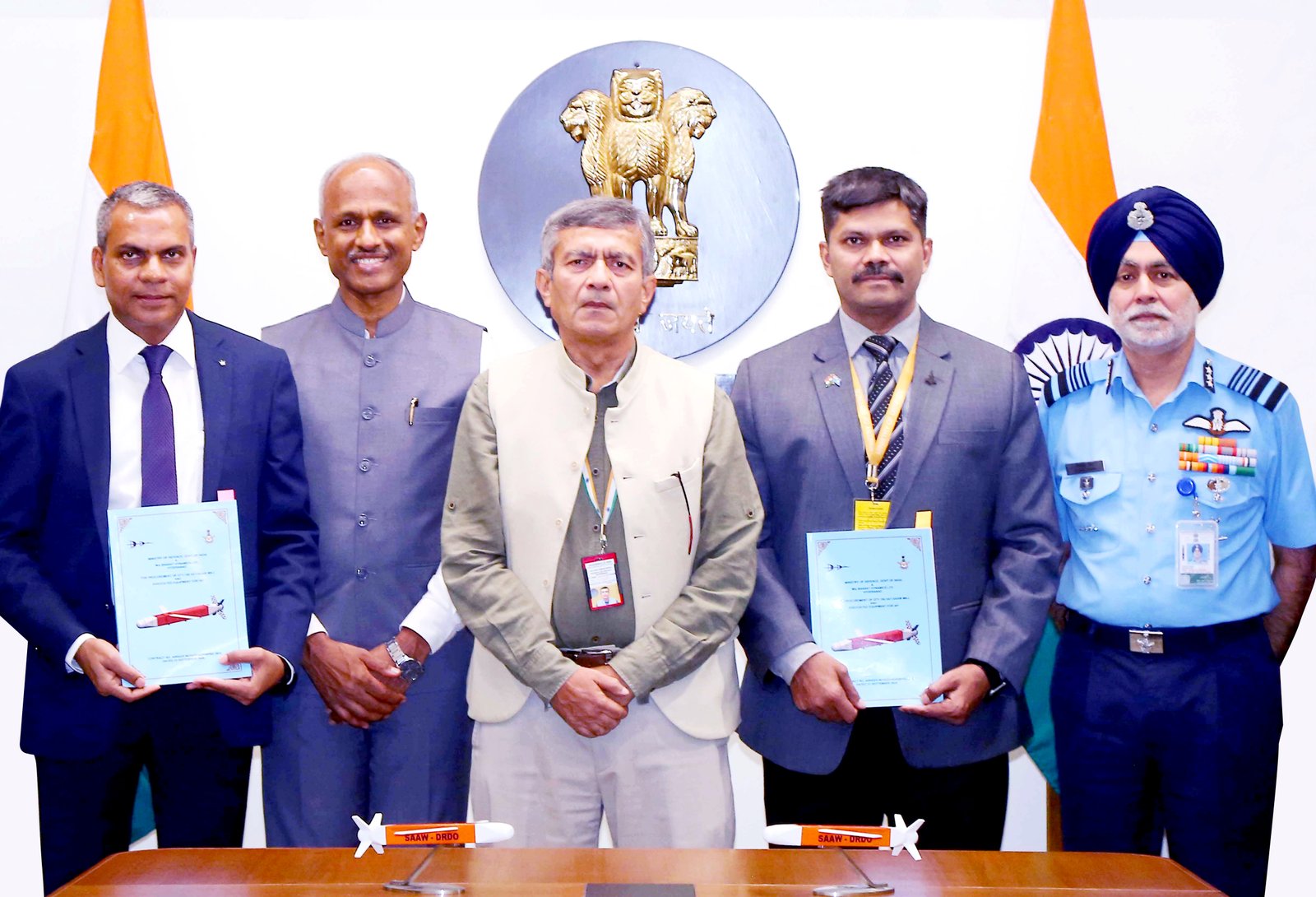
Bharat Dynamics Limited (BDL) is the lead manufacturer for the QRSAM programme, while Bharat Electronics Limited (BEL) has undertaken key integration activities. A major production complex at Chitrakoot in Uttar Pradesh is also being developed to support larger-scale defence manufacturing and strengthen the domestic missile supply chain.
Akash-NG adds another important layer to India’s air defence network. Designed as a more advanced evolution of the earlier Akash family, it incorporates features such as a dual-pulse motor, active radar seeker and a canisterised launch system. Its compact design also reduces the system’s ground footprint while improving operational flexibility.
The system has demonstrated an engagement range of around 30 kilometres, while longer ranges have been associated with different configurations and future capability enhancements. Akash-NG is particularly relevant for dealing with low radar cross-section drones and precision-guided weapons, threats that are becoming increasingly common in modern warfare.
BDL has completed the First-Off Production Model of Akash-NG, marking an important step towards serial production. As production expands, the system could become a significant component of India’s effort to create a large inventory of domestically manufactured interceptors.
The wider industrial ecosystem is also expanding. Larsen & Toubro has contributed mobile launcher technology, while Apollo Micro Systems has increased its involvement in defence-system development and subsystems. Its acquisition of a controlling stake in Premier Explosives for about ₹1,550 crore and investment in ShauryAstra Defence Systems are part of a broader effort by Indian companies to strengthen domestic defence manufacturing capabilities.
Yet the most important question for Sudarshan Chakra will ultimately be sustainability. A shield capable of intercepting the first 100 missiles may look formidable, but its effectiveness after 500 or 1,000 interceptions will depend on how quickly those weapons can be replaced.
Modern conflicts have shown that saturation attacks can consume interceptors at extraordinary rates. Consequently, India will need production lines capable of maintaining a steady flow of missiles, supported by efficient logistics, storage infrastructure, transportation networks and rapid deployment mechanisms.
Sudarshan Chakra is expected to combine QRSAM and Akash-NG with longer-range capabilities, including Project Kusha and India’s ballistic missile defence programme. Directed-energy weapons and upgraded air-defence guns could provide additional layers, allowing expensive interceptors to be reserved for threats that require them.
The ultimate challenge will be integrating these systems into a resilient, networked architecture capable of functioning even when subjected to electronic warfare, cyber threats, infrastructure damage and large-scale missile or drone attacks.
For this reason, India’s defence industrial corridors in Uttar Pradesh and Tamil Nadu could become as strategically important as the missile systems themselves. Expanding production capacity and reducing manufacturing bottlenecks will be essential to maintaining the shield during a prolonged confrontation.
The Sudarshan Chakra programme, therefore, is not simply a project to intercept incoming missiles. Its real test will be whether India can keep its air defence network supplied, operational and effective throughout the long grind of modern warfare.
Technology may provide the first line of protection, but sustained indigenous production and rapid replenishment could ultimately determine whether India’s air defence shield can withstand a prolonged saturation campaign.