PATNA, Nov 2026 : For decades, the annual Chhath Puja rush followed a predictable script: airlines hiked fares to astronomical levels, Indian Railways struggled with triple-digit waitlists, and migrants from Bihar were left helplessly scrambling for a way home. This year, however, the script was flipped. Instead of paying exorbitant fares or waiting on unconfirmed train tickets, tens of thousands of migrants turned to jugaad and hit the highways, effectively outmaneuvering both the aviation and railway sectors.
The Road Revolt
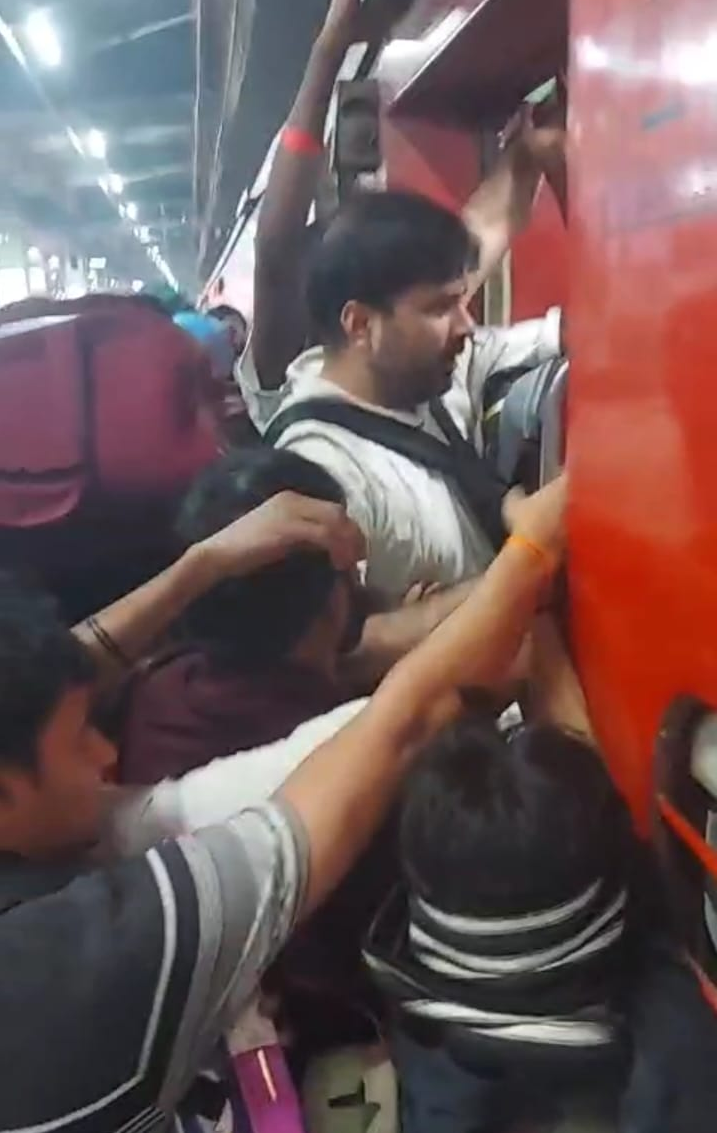
As airfares surged—reaching ₹18,000 for Delhi–Patna, ₹26,000 for Mumbai–Patna, and a staggering ₹35,000 for Bengaluru–Patna—airlines banked on the emotional urgency of Chhath to force passengers into paying up. Simultaneously, railway waitlists crossed the 400 mark, leaving little hope for confirmed berths.
In response, over 22,000 private vehicles—ranging from hatchbacks and SUVs to tempos and even auto-rickshaws—set off toward Bihar from major metros like Delhi, Mumbai, Bengaluru, and Hyderabad.
Among the most striking journeys were four youths who drove an auto-rickshaw 2,200 kilometers from Bengaluru to Motihari, and three men who covered 1,200 kilometers from Delhi to Madhubani in 38 hours in another auto. While social media poked fun at these unconventional road trips, the travelers had the last laugh—making it home in time for the festival.
The Economics of the Road Trip
Behind the viral stories lies simple, practical math. A single one-way flight ticket from Delhi to Patna cost roughly ₹18,000. For that exact same amount—covering fuel, tolls, and food—four people traveled together in a single car, bringing the per-person cost down to just ₹4,500.
Beyond the massive savings, driving offered unmatched convenience:
Zero baggage limits: Families easily transported festival essentials like thekua, coconuts, soop, and daura.
Doorstep connectivity: Travelers drove straight to their villages, bypassing last-mile commute hassles from stations or airports.
Flexible travel & return: Groups stopped for tea breaks at will and had their own vehicle ready for the return journey.
A Wake-Up Call for Three Sectors
Despite Indian Railways running 12,000 special trains nationwide—including 106 dedicated trains and Vande Bharat services for Bihar—demand far outstripped supply. Yet, missing a train no longer meant missing Chhath. For Biharis, Chhath is not merely a festival; it is an emotion defined by a 36-hour nirjala fast, offering arghya at the riverbanks, and homemade thekua—experiences no price tag can replace.
This mass highway migration has delivered a clear message to three key sectors:
Aviation: Exploitative dynamic pricing—where a ₹3,000 ticket is sold for ₹35,000, an issue currently drawing scrutiny in the Supreme Court—will push consumers toward alternative modes of transport.
Railways: Even thousands of special trains remain insufficient against the sheer scale of festive demand, highlighting a persistent infrastructure gap.
State Governments: Witnessing the massive movement of people, administrations were forced to step in, with the Delhi government deploying over 50 AC buses and the Bihar government operating 155 special buses to manage the rush.
A Shift in Narrative
The phenomenon also challenges outdated stereotypes. The modern Bihari diaspora—working in Bengaluru’s IT hubs, running businesses in Mumbai, or owning ₹20-lakh SUVs in Delhi—is no longer at the mercy of transit monopolies. When it is time to go home for Chhath, they simply take the wheel and drive 1,200 or 2,200 kilometers straight to their doorstep.
This Chhath, the airlines lost out on windfall profits, and the railways fell short of demand—leaving the determined spirit of Bihar's travelers as the sole winner.
Vineet Mishra