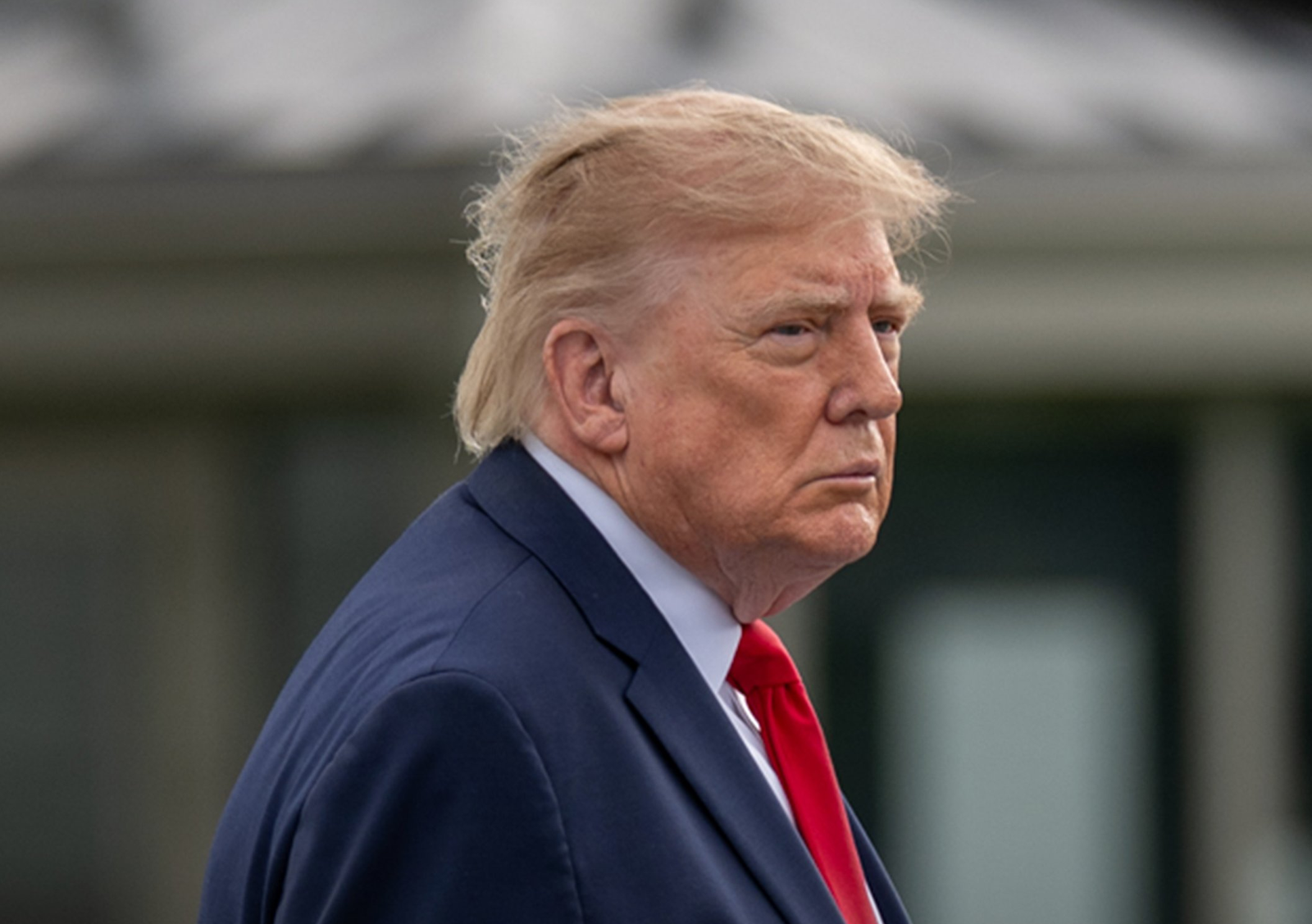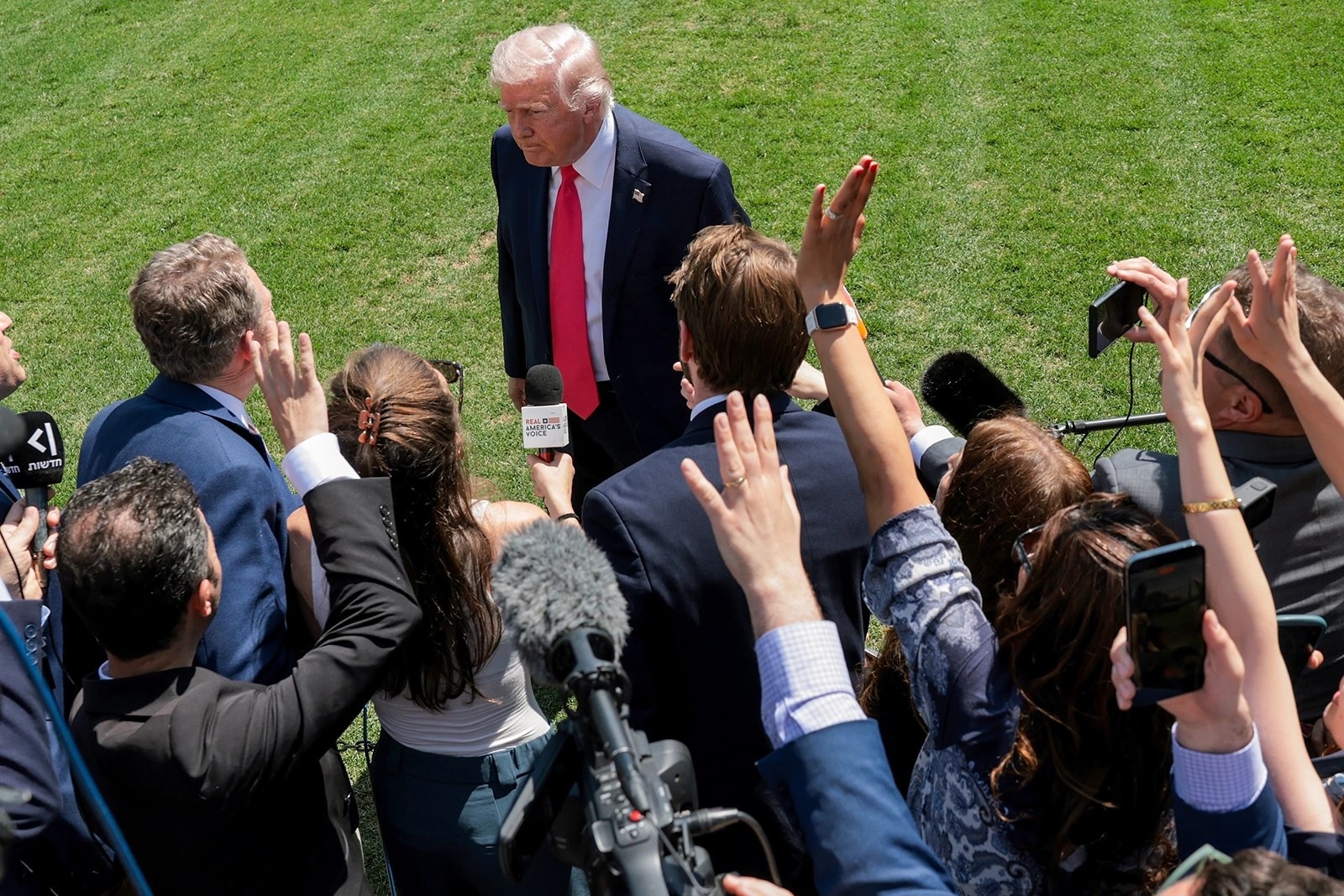
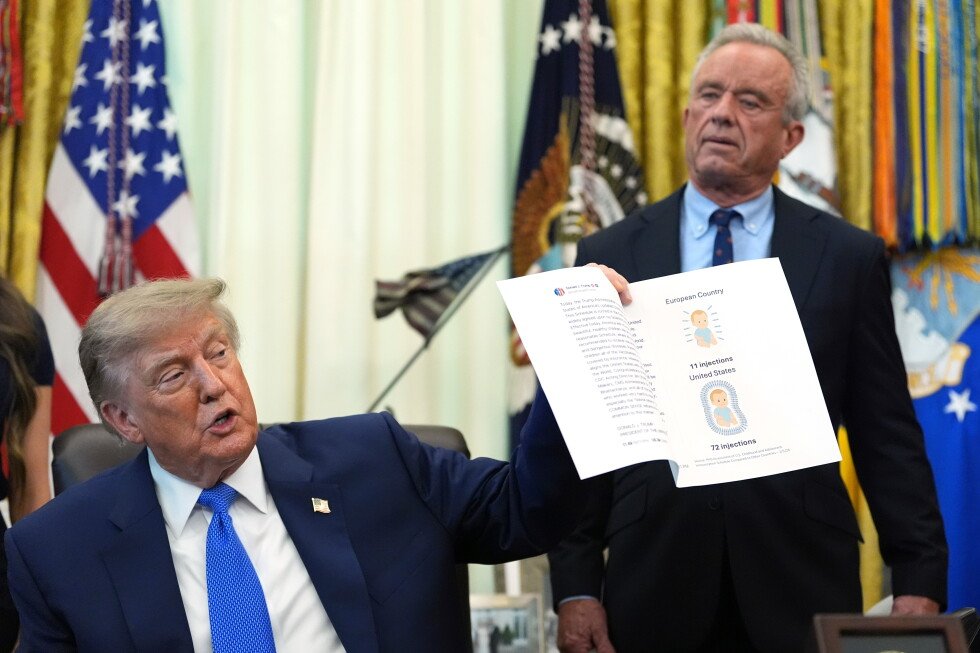
Washington, Aug 2026 : US President Donald Trump has defended his recommendation to administer measles, mumps and rubella vaccines separately, while acknowledging that he has no direct evidence that the combined MMR vaccine is dangerous.
Trump made the remarks after signing an executive order introducing a new framework for childhood vaccination recommendations in the United States. The policy calls for separate measles, mumps and rubella shots once individual versions of the vaccines become domestically available. Until then, the combined MMR vaccine will remain available.
Asked whether he had evidence to support describing the combined vaccine as potentially lethal, Trump replied, “No.”
The President said he had heard concerns about combining the three vaccines and argued that separating them would be a precautionary approach.
“What I’ve heard is that there are some people that say it is that way and I say, well, let’s say there’s a five percent chance of it, let’s split it up,” Trump said.
Trump further claimed that individual vaccines were safe but suggested that combining them “can be explosive”. He did not cite scientific studies or other evidence to substantiate the claim during the exchange.
The President also advocated administering childhood vaccines over multiple medical appointments rather than giving several immunisations during a single visit. He said he had followed a similar approach when vaccinating his own children.
“I took my children for five different vaccinations,” Trump said. “I took them through five different visits to the doctor. Essentially, they get 20 percent each and I had no problem.”
Trump acknowledged that requiring families to make several trips to doctors would be inconvenient but suggested that spacing out vaccinations could have an impact on autism rates.
“It’s inconvenient, it’s five stops, but it’s something that I think will have a huge impact on autism,” he said.
The President did not provide evidence establishing a link between the timing or combination of childhood vaccinations and autism.
The issue of additional medical visits also raised questions about the financial impact on families, particularly where each appointment could involve separate insurance co-payments. Asked whether the government would help cover such additional costs, Trump said the administration would work with families but did not announce a specific financial assistance programme.
“We’re going to be working with them, and we’re going to work with the families, and we’re going to make sure everything works out cost wise very well,” he said.
The executive order establishes 11 diseases for which vaccination is recommended for all children under the administration’s revised framework. Vaccines targeting other diseases would be recommended for designated high-risk groups or offered through shared clinical decision-making involving parents and healthcare professionals.
Under the new recommendations, hepatitis B, influenza and COVID-19 vaccines are no longer universally recommended for all children, although they remain available under different categories.
Health and Human Services Secretary Robert F. Kennedy Jr. said federal agencies had begun studies examining vaccine safety and potential long-term health outcomes.
“We are comparing health outcomes in vaccinated versus unvaccinated children,” Kennedy said.
He said researchers were also examining aluminium adjuvants, the timing of hepatitis B vaccination and vaccines administered during pregnancy, as well as possible associations with allergies, autoimmune diseases, autism and other neurodevelopmental conditions.
Kennedy said the National Institutes of Health had issued 13 research awards focusing on autism prevalence, causes, treatments and services. Five of those projects would include vaccines among the factors being examined.
NIH Director Jay Bhattacharya described autism as “a very complicated condition” and cautioned that scientific answers would take time.
“It’s not going to be a simple answer,” Bhattacharya said. “Science takes time.”
Bhattacharya nevertheless stressed the continuing importance of measles vaccination, particularly during outbreaks. At the same time, he opposed excluding children from schools solely because their parents had made different vaccination decisions.
The executive order also encourages states to review their school immunisation requirements. White House domestic policy official Heidi Overton said 28 states had stopped following CDC recommendations since January 2026 and were developing their own vaccination policies.
The administration’s new framework is expected to intensify the national debate over childhood vaccination, parental choice, public health policy and the role of federal and state authorities in setting immunisation requirements.
(The content of this article is sourced from a news agency and has not been edited by the Mavericknews30 team.)