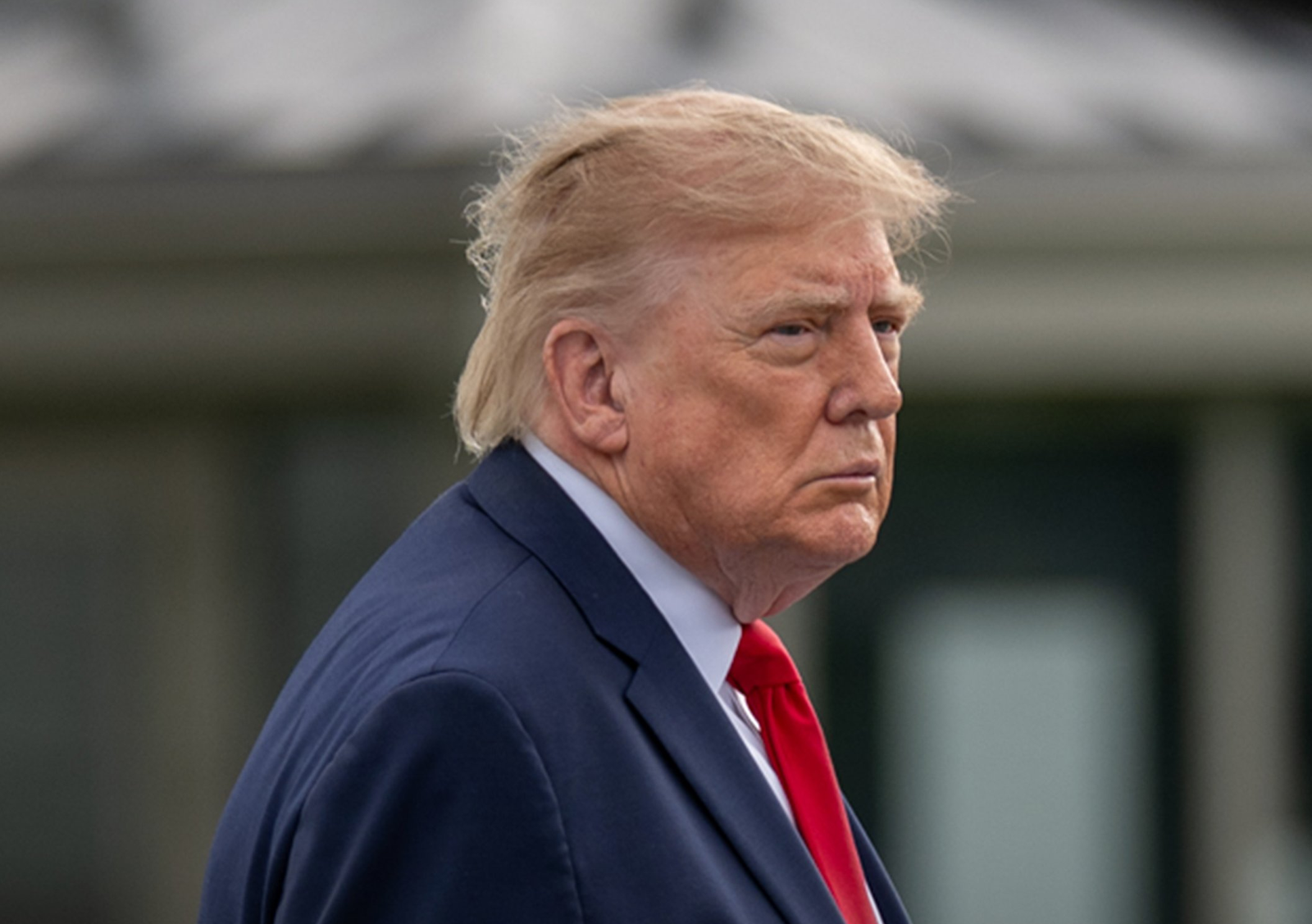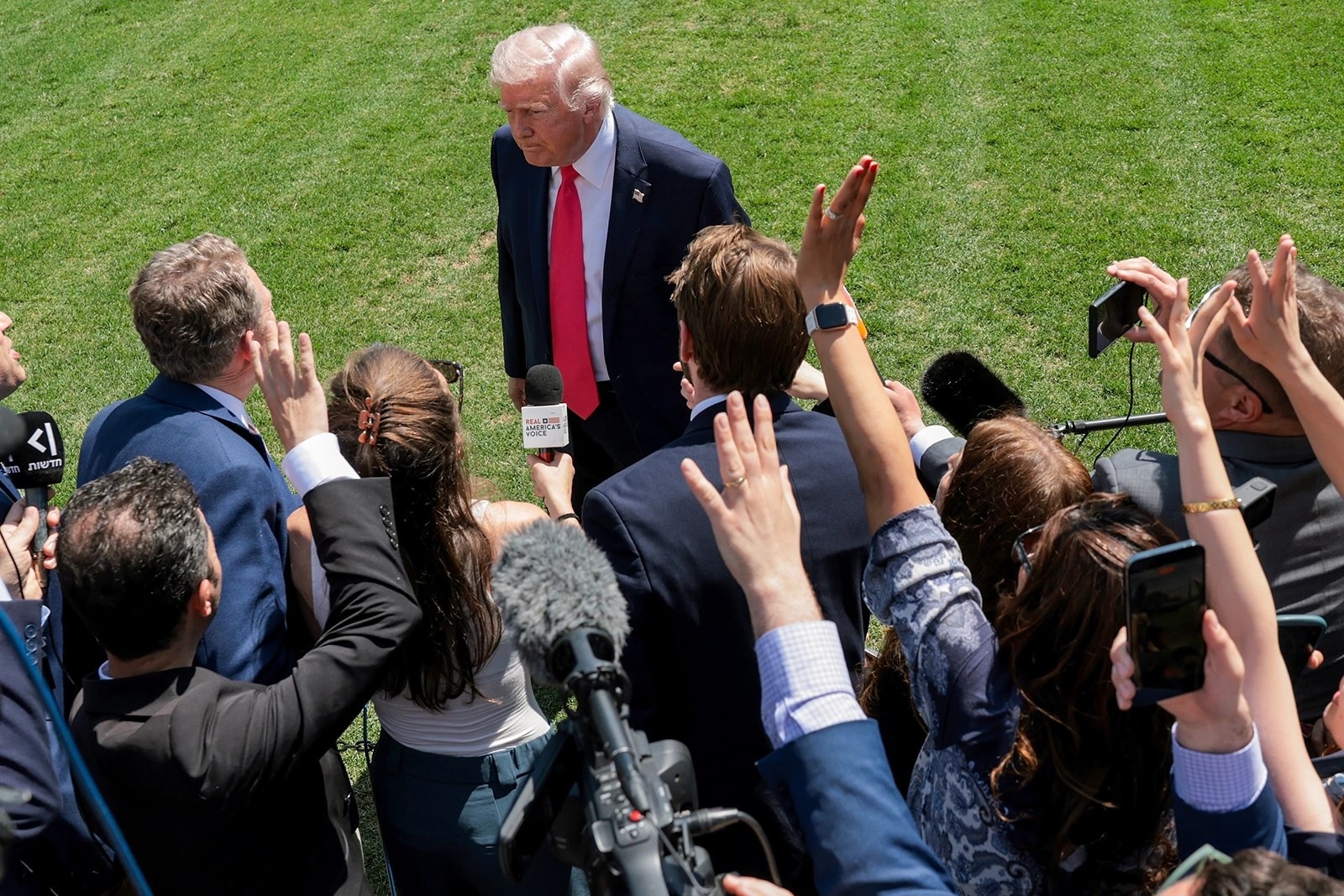
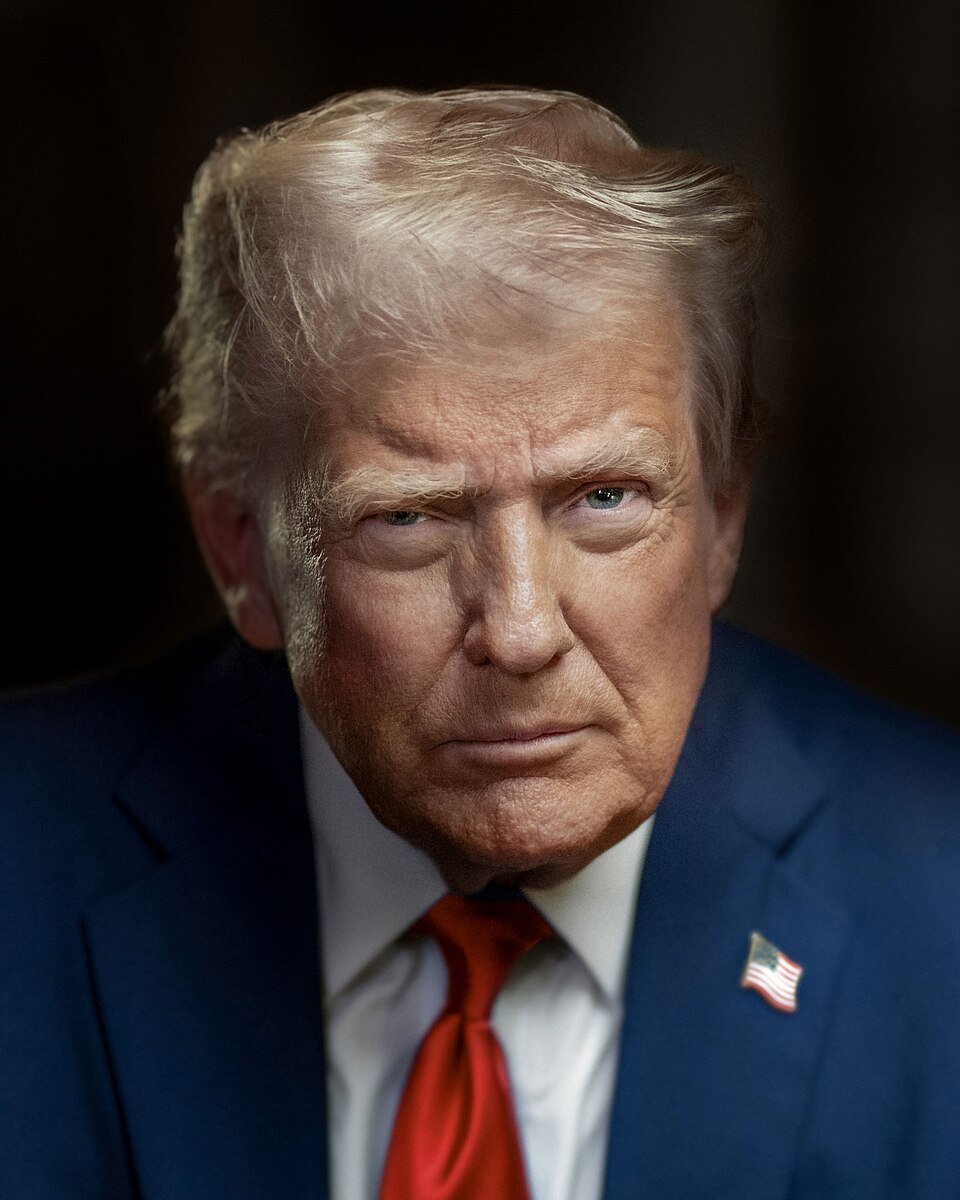
Washington, July 2026 : US President Donald Trump held separate high-level meetings at the White House on Tuesday with Ukrainian President Volodymyr Zelenskyy and Israeli Prime Minister Benjamin Netanyahu, as Washington navigates two major international conflicts and seeks diplomatic solutions in both Europe and the Middle East.
The back-to-back meetings took place behind closed doors in the Oval Office, with the White House keeping both discussions away from the media spotlight.
Following the meetings, White House Press Secretary Karoline Leavitt described the engagements as successful.
“President Trump has concluded his meetings in the Oval Office with President Zelensky and Prime Minister Netanyahu. Both meetings were positive and productive,” she posted on social media platform X.
Ukrainian President Volodymyr Zelenskyy arrived at the White House around 9:40 a.m., entering through a side entrance to the West Wing. Israeli Prime Minister Benjamin Netanyahu concluded his meeting shortly after 12:25 p.m. Local media later published photographs released by Netanyahu’s office showing the two leaders together, while an Israeli official described the discussions as “very positive.”
The meeting between Trump and Netanyahu primarily focused on the ongoing conflict involving Iran, regional security issues in Lebanon, and efforts to broaden the Abraham Accords, the US-backed initiative aimed at normalising relations between Israel and Arab nations.
Netanyahu was also expected to brief Trump on intelligence concerning alleged Iranian activities at Pickaxe Mountain, an underground site reportedly linked to Tehran’s nuclear programme.
However, President Trump appeared displeased that the Israeli Prime Minister had publicly disclosed his intention to present the intelligence before the meeting.
“I heard Bibi announce that,” Trump told Fox News, referring to Netanyahu by his commonly used nickname. “I said, ‘Why don’t you just tell it to me? Why do you have to announce it to the world?’”
The exchange reflected subtle differences between Washington and Jerusalem over how to deal with Iran. While Israel has continued to advocate sustained pressure on Tehran, Trump has indicated that he remains open to reviving diplomatic engagement.
Acknowledging the differences on Monday, Trump said, “We have a little difference, but pretty close,” suggesting that despite varying approaches, the two allies remain largely aligned on broader strategic objectives.
Trump also reiterated his warning to Iran, stating that the United States could target key infrastructure, including bridges and power plants, if Tehran failed to reach an agreement with Washington over its nuclear programme and regional activities.
Earlier in the day, Trump’s discussions with Ukrainian President Volodymyr Zelenskyy focused on continued US support for Ukraine in its war with Russia and ongoing efforts to revive peace negotiations.
Following the meeting, Zelenskyy said the two leaders had discussed strengthening Ukraine’s air defence capabilities, including Patriot missile systems, and explored ways to advance diplomatic initiatives aimed at ending the conflict.
The Ukrainian leader arrived in Washington seeking greater US support on several issues, including tougher sanctions against Russia, expanded defence cooperation, a drone production agreement, additional Patriot air defence systems and renewed momentum in peace talks with Moscow.
Besides meeting President Trump, Zelenskyy was also scheduled to hold discussions with members of the US Congress and address a gathering of the full Senate.
The White House reaffirmed that ending the Russia-Ukraine conflict remains one of President Trump’s top foreign policy priorities.
In a statement, the administration said the President and his team remain committed to playing a constructive role in achieving a negotiated settlement.
“The President and his team remain committed to continuing to play a constructive role in ending the war between Russia and Ukraine, and he remains optimistic that we’ll ultimately get a peace deal done,” the White House said.
The twin meetings underscored the complex diplomatic challenges facing the United States as it simultaneously seeks to stabilise the Middle East, contain tensions with Iran and support efforts to end the prolonged war between Russia and Ukraine.