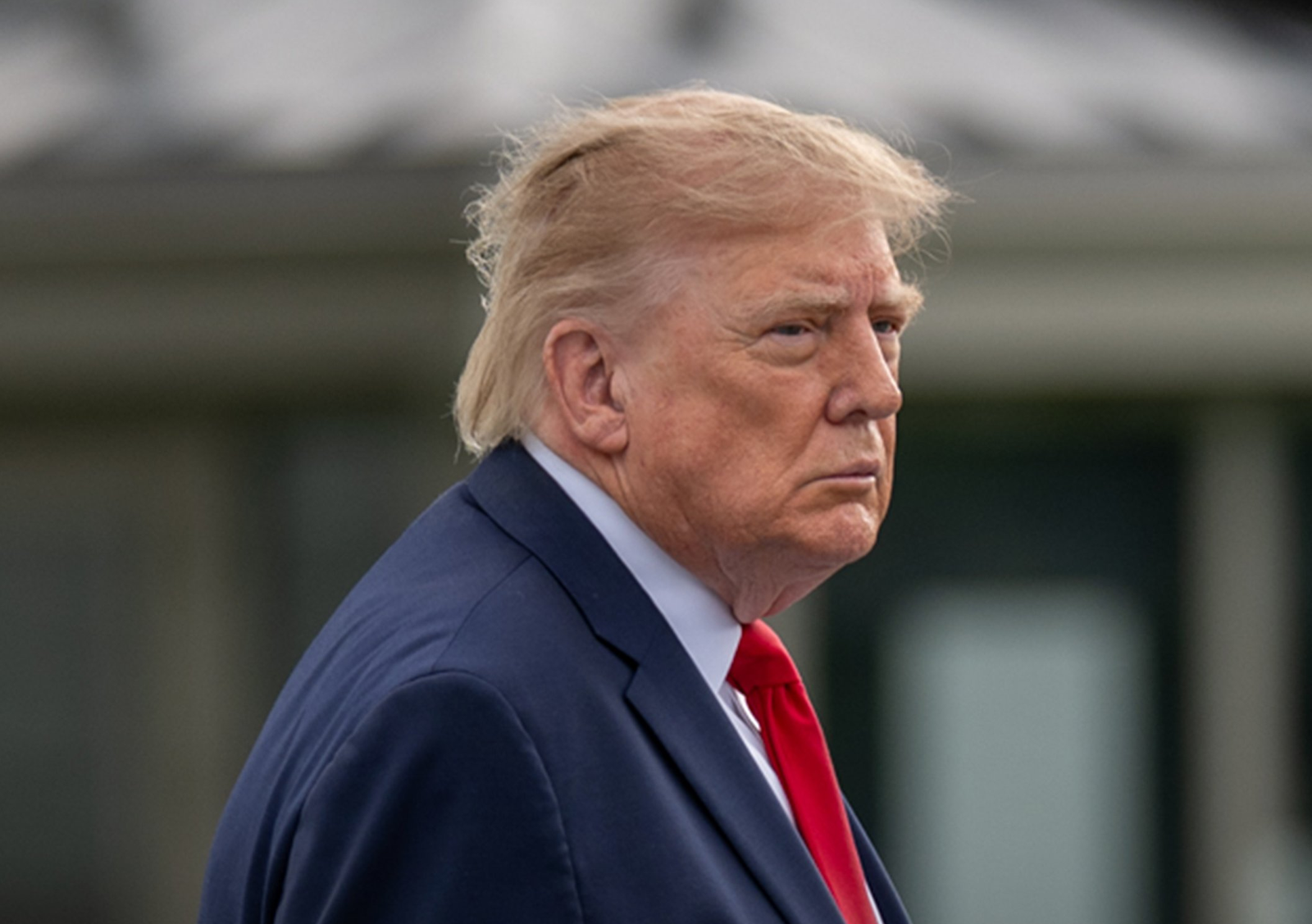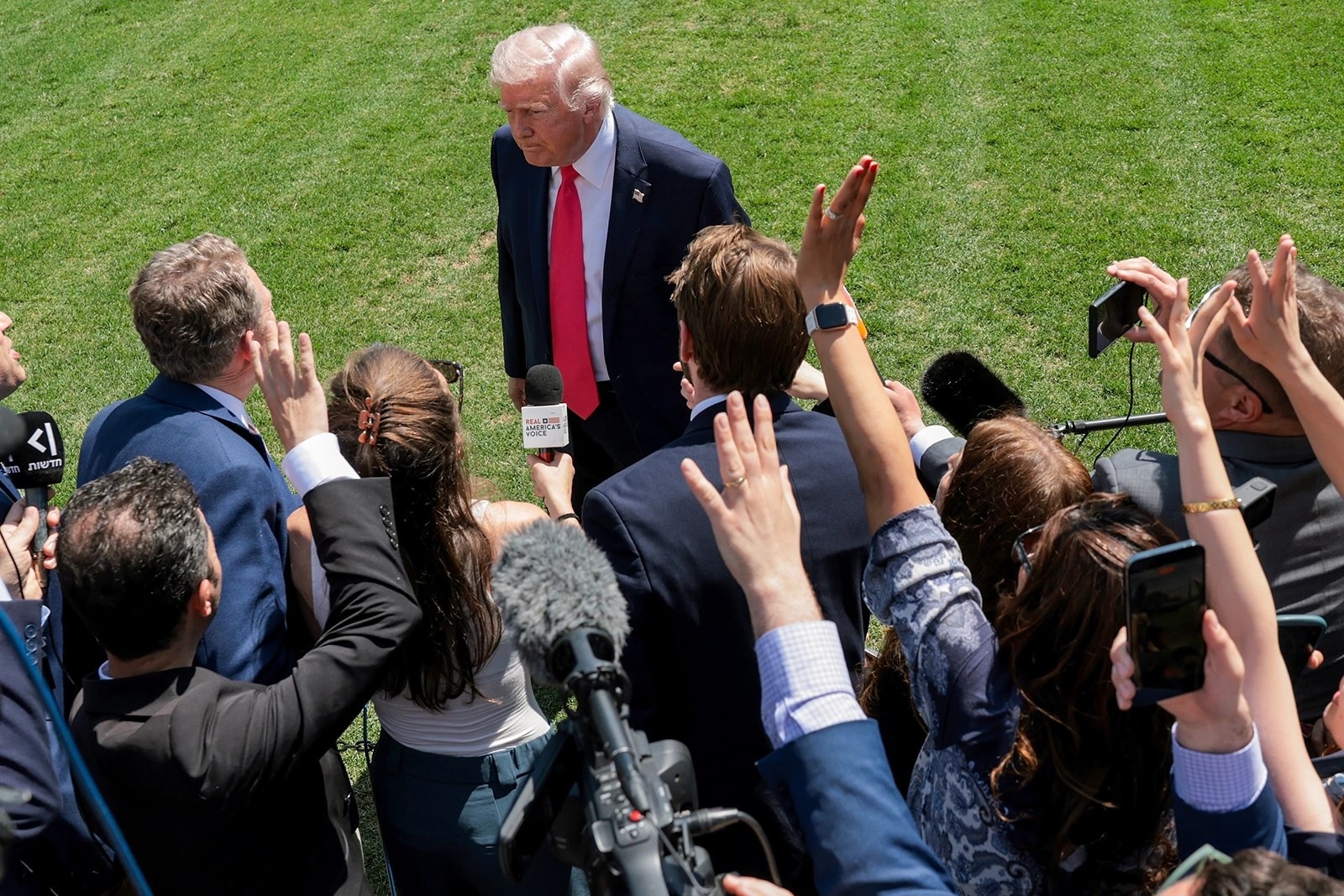
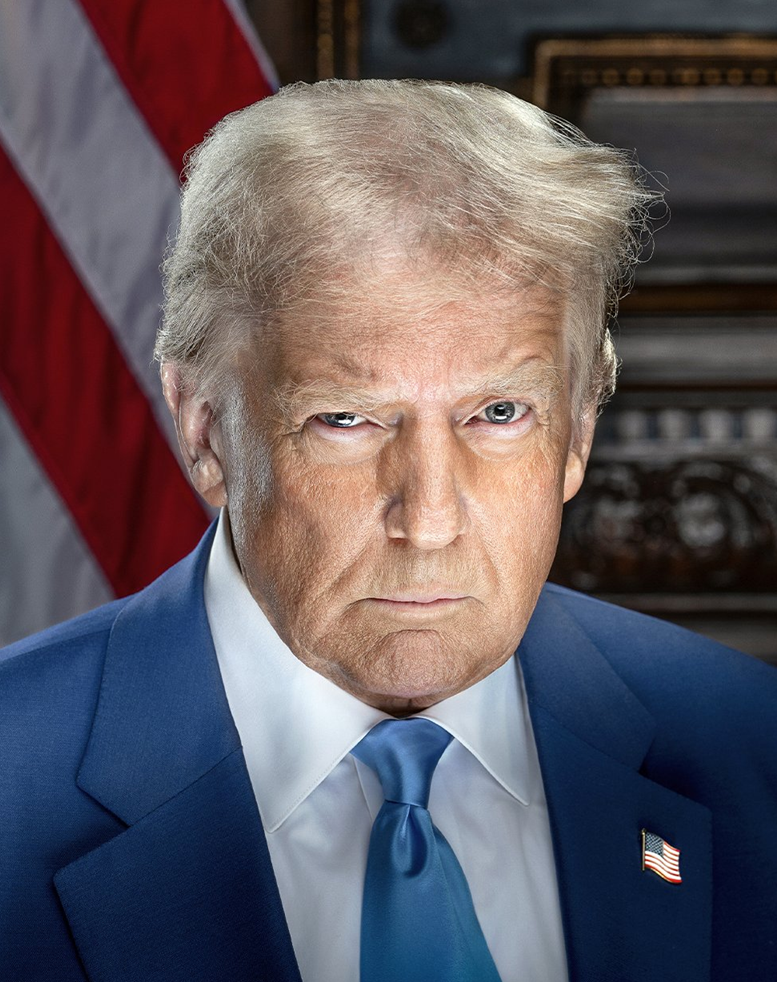
Washington, Aug 2026 : US President Donald Trump has ordered a substantial reduction in the annual military exercises conducted jointly by the United States and South Korea, describing the drills as “inappropriate and hostile” toward North Korea. His intervention came just hours before the start of the Ulchi Freedom Shield exercise, highlighting his willingness to revisit long-standing US military commitments in Asia.
Trump said the decision was influenced by his previous diplomatic engagement with North Korean leader Kim Jong Un, whom he met during his first presidential term. In a post on his Truth Social platform, Trump questioned the continued participation of US forces in joint exercises with South Korea, arguing that the drills were expensive and sent an unnecessarily confrontational message to Pyongyang.
The US president said it was too late to cancel the exercises completely but that he had instructed Defence Secretary Pete Hegseth to “substantially reduce” their scale.
South Korea Says Exercises Will Proceed as Scheduled
Despite Trump's remarks, South Korea's Defence Ministry said the joint military exercises had begun and would proceed according to the previously announced schedule.
The 11-day Ulchi Freedom Shield is an annual defensive exercise intended to strengthen the ability of South Korean and US forces to respond to potential aggression from North Korea. The drills are designed around scenarios involving the defence of South Korea against the nuclear-armed North.
The exercises have long been a source of tension on the Korean Peninsula. Pyongyang routinely condemns the drills as rehearsals for an invasion and has frequently responded with missile launches or threats of military retaliation.
The United States maintains approximately 28,500 troops in South Korea, a military presence dating back to the Korean War. The 1950-53 conflict ended with an armistice rather than a formal peace treaty, leaving the peninsula technically in a state of unresolved conflict.
North Korea Strengthens Russia Partnership
The latest exercises are taking place against the backdrop of a major transformation in North Korea's international relationships. Pyongyang has significantly strengthened its partnership with Moscow since Russia launched its full-scale invasion of Ukraine in 2022.
North Korea has provided Russia with military assistance, including ammunition and troops, according to Western and South Korean assessments. In return, analysts say Pyongyang has received financial assistance, food, energy and potentially military technology.
The growing Russia-North Korea relationship has raised concerns in Seoul and Washington, particularly over the possibility that battlefield experience gained by North Korean forces in Ukraine could improve Pyongyang's military capabilities.
US and South Korean military officials have acknowledged that the annual exercise will take into account lessons from modern warfare, including the growing importance of drones, electronic warfare and cyber operations.
The drills are expected to involve around 18,000 South Korean personnel, alongside US forces stationed in the country. Particular attention will reportedly be given to drone warfare, GPS disruption and cyberattacks.
Trump's North Korea Policy Comes Under Focus
Trump's comments reflect his continuing interest in diplomacy with Kim Jong Un. The two leaders held several high-profile meetings during Trump's first presidency, but negotiations over North Korea's nuclear programme ultimately broke down. Their last face-to-face meeting took place in 2019.
Since then, North Korea has expanded its missile and nuclear capabilities, while diplomatic engagement with Washington has remained largely stalled.
North Korea has already conducted missile launches this month that analysts widely interpreted as protests against the US-South Korean exercises. Pyongyang also warned that the drills could trigger a response involving what it described as a “new level of deterrent.”
However, experts believe that merely reducing the exercises may not be enough to persuade North Korea to return to negotiations.
Lim Eul-chul, a North Korea specialist at Kyungnam University, said Pyongyang would likely attach greater significance to a complete cancellation rather than a reduction in the drills. He also expressed doubts that the latest announcement would immediately trigger a response from Kim Jong Un.
US Alliances Under Trump's Scrutiny
Trump's criticism of the military exercises also fits into his broader approach to traditional US alliances. He has repeatedly questioned whether Washington's allies contribute sufficiently to collective defence and has challenged established security arrangements involving NATO and partners in other regions.
In the same post, Trump criticised South Korea for declining an invitation to participate in US efforts related to the denuclearisation of Iran, further highlighting the transactional approach he has adopted toward international partnerships.
Meanwhile, South Korean President Lee Jae Myung has pursued a more conciliatory policy toward Pyongyang since taking office in June 2025. His government has offered talks without preconditions and expressed support for formally bringing the Korean War to an end.
North Korea, however, has so far shown little interest in Seoul's overtures.
The reduction of the military exercises therefore leaves the Korean Peninsula facing a complicated security environment—marked by expanding North Korean military capabilities, closer Pyongyang-Moscow ties, and uncertainty over the future role of the US-South Korea alliance.
(The content of this article is sourced from a news agency and has not been edited by the Mavericknews30 team.)