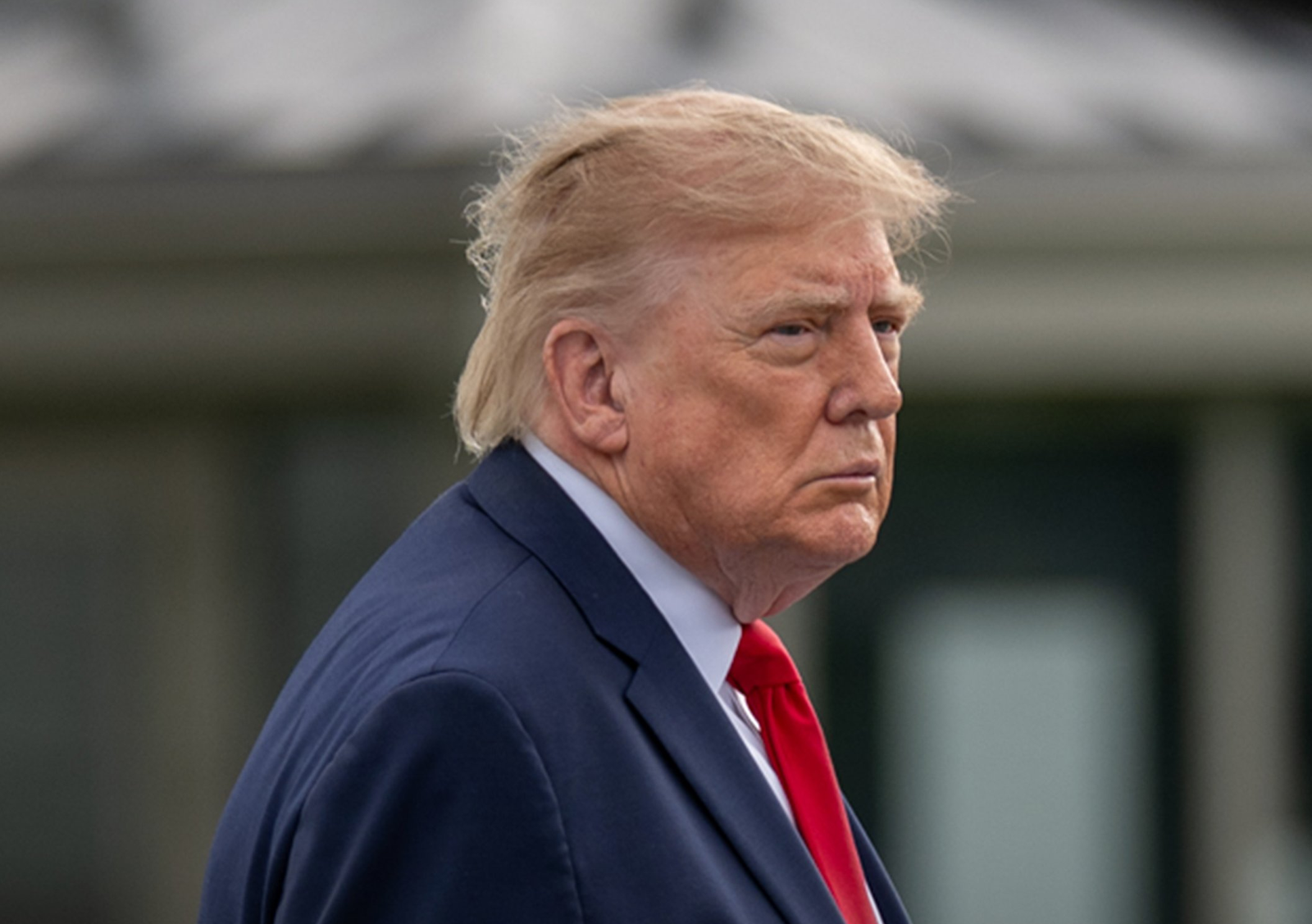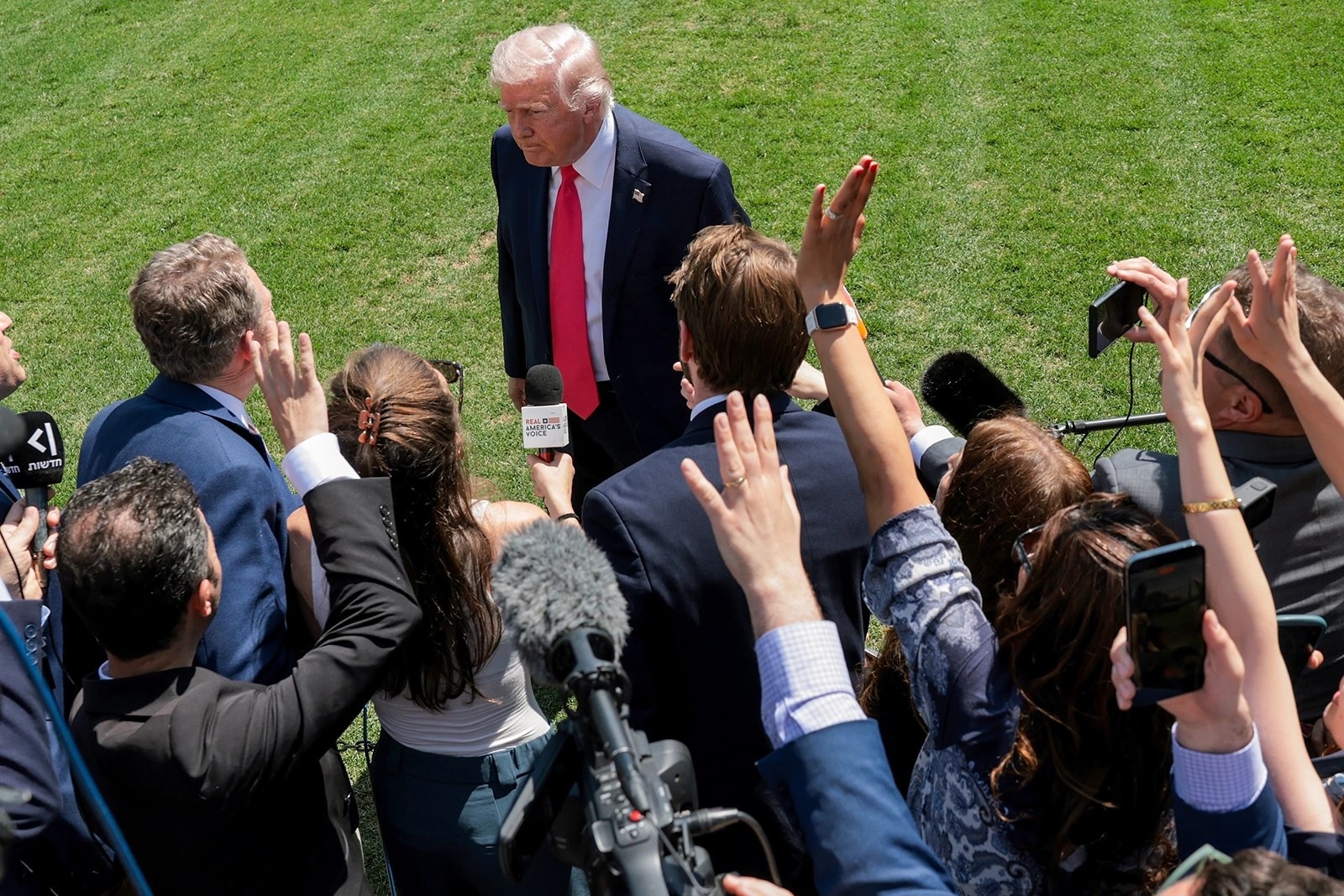
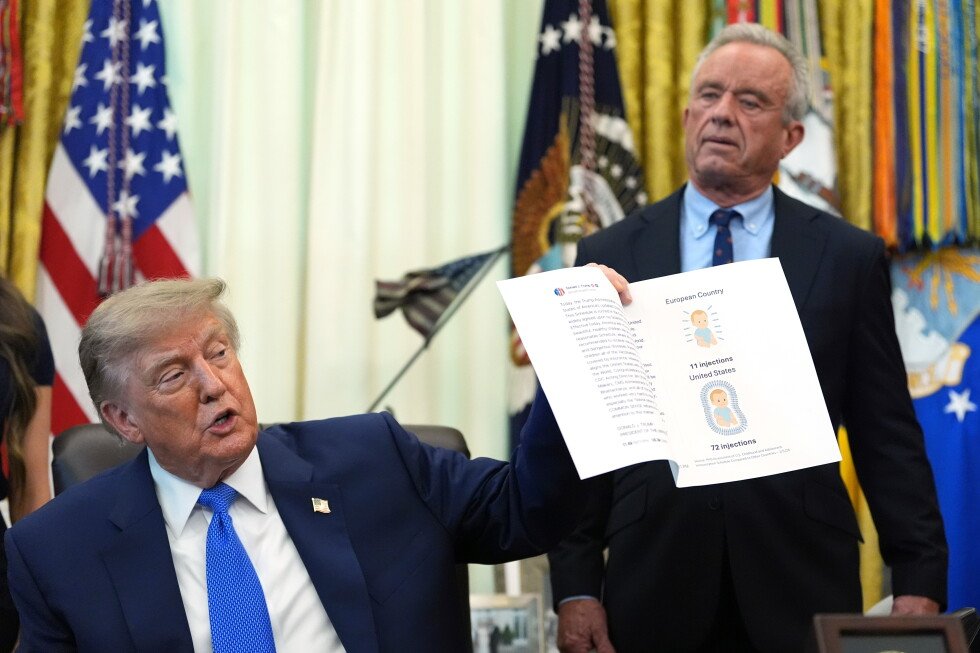
Washington, Aug 2026 : US President Donald Trump has signed an executive order seeking to overhaul the country’s childhood vaccination policy by reducing the number of diseases for which vaccines are routinely recommended for all children and encouraging states to reconsider school immunisation requirements.
Under the new “Gold Standard Childhood Vaccine Recommendations”, universal childhood vaccination will be recommended for 11 diseases. The White House said the US Centers for Disease Control and Prevention (CDC) had recommended routine protection against 18 diseases in 2024.
The 11 diseases covered under the new universal recommendations are measles, mumps, rubella, diphtheria, tetanus, pertussis, polio, Haemophilus influenzae type B, pneumococcal disease, human papillomavirus (HPV) and chickenpox, or varicella.
Vaccines against several other diseases will instead be recommended for children considered to be at higher risk, while some immunisations will be offered based on shared decision-making between parents and healthcare providers.
The administration has placed respiratory syncytial virus (RSV) monoclonal antibodies and vaccines against hepatitis A, hepatitis B, meningococcal B, meningococcal ACWY and dengue in the high-risk category. Hepatitis A, hepatitis B, rotavirus, meningococcal disease, influenza and COVID-19 have also been listed under shared clinical decision-making. Hepatitis A and hepatitis B appear in both categories depending on a child’s individual risk factors.
The executive order also calls for a shift away from combination vaccines. It recommends replacing the combined measles, mumps and rubella (MMR) vaccine with three separate shots for measles, mumps and rubella once individual vaccines become domestically available.
The order further states that childhood vaccines should, “to the maximum extent feasible”, be administered during separate medical visits. However, the administration clarified that combination vaccines will continue to be available and that vaccines covered by shared clinical decision-making will remain accessible.
US Health and Human Services Secretary Robert F. Kennedy Jr. has been directed to submit plans within 90 days for making individual vaccines available, beginning with MMR. The department must also review the timing and sequencing of core childhood vaccinations and consider potential changes to the federal immunisation schedule.
The order does not directly alter state vaccination laws. Individual states retain authority over immunisation requirements for children attending schools. However, Trump has directed the attorney general to support “meritorious legal actions” challenging state laws that may conflict with federal or constitutional protections concerning parental authority, religious freedom, disability accommodations and equal protection.
The Justice, Education and Health and Human Services departments have also been instructed to ensure that federal contractors and grant recipients comply with applicable requirements, including provisions concerning medical and religious exemptions where mandated by federal law.
The White House cited an HHS assessment completed in January, which concluded that the US recommends more childhood vaccines than other comparable developed nations. According to the administration, children following the CDC schedule received 23 doses through seven shots protecting against seven diseases in 1980. By 2024, the schedule had expanded to at least 84 doses through at least 57 shots covering 17 diseases, in addition to RSV monoclonal antibody immunisation.
The latest order is part of Trump’s broader “Make America Healthy Again” initiative. Trump established the MAHA Commission in February 2025, ended the blanket COVID-19 vaccine recommendation for children and directed HHS to compare the US childhood vaccination schedule with those followed by other developed countries.
The administration says the revised approach is intended to align childhood immunisation policy with what it describes as a more targeted, evidence-based strategy while giving parents and doctors a greater role in vaccination decisions.
(The content of this article is sourced from a news agency and has not been edited by the Mavericknews30 team.)