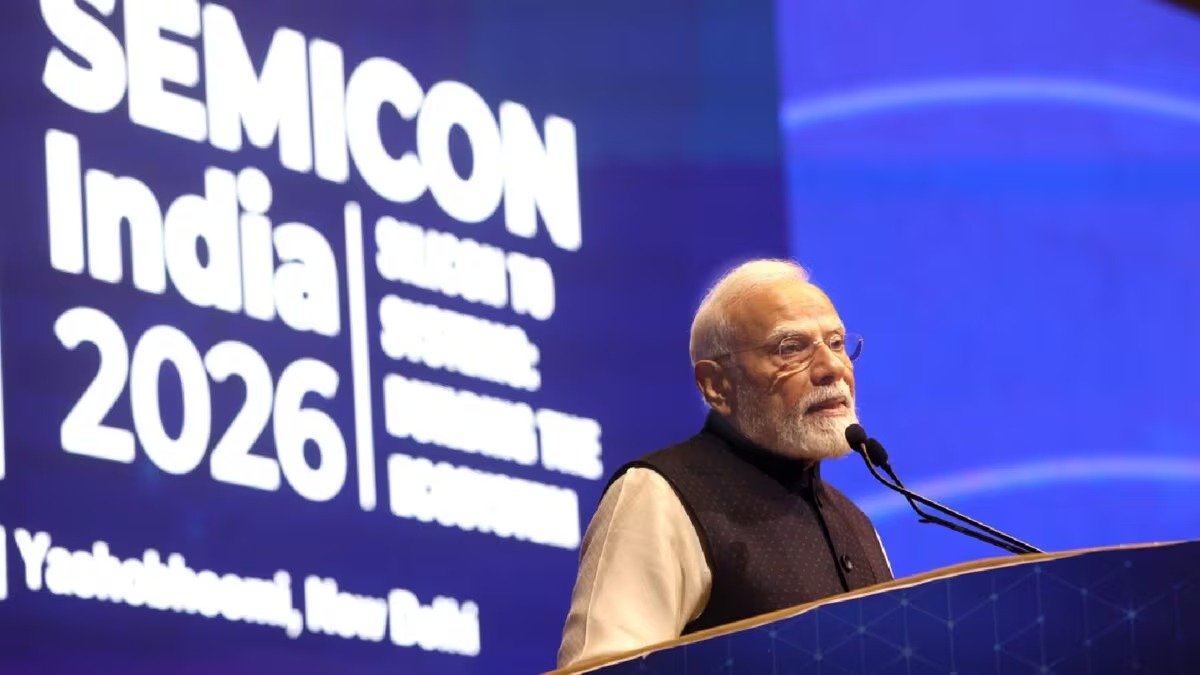
New Delhi, Aug 2026 : When Prime Minister Narendra Modi launched the BHIM UPI (Bharat Interface for Money–Unified Payments Interface) app during the inauguration of the “DigiDhanMela” on December 31, 2016, he had urged citizens to make digital payments a habit and help India move towards a less-cash economy.
Nearly a decade later, UPI has transformed the way millions of Indians conduct everyday financial transactions. Recalling this remarkable journey on Tuesday, Prime Minister Modi highlighted the scale at which UPI has grown and said its progress was something every Indian could take pride in. He also invited citizens to share their experiences of using UPI and explain how the platform has changed their daily lives.
UPI has emerged as one of the most significant developments in India’s financial ecosystem, providing users with a fast, convenient and interoperable system for making payments. From small roadside purchases to large commercial transactions, digital payments have become an integral part of everyday economic activity.
The growth of UPI has been particularly striking. During its first month of operations in August 2016, the platform recorded around 90,000 transactions. By financial year 2025-26, UPI accounted for approximately 84 per cent of India’s digital payments.
The number of banks connected to the platform has also expanded dramatically. From just 44 banks in FY 2016-17, the number increased to 703 banks in FY 2025-26, covering public and private sector banks as well as small finance and cooperative banks.
Developed by the National Payments Corporation of India (NPCI), UPI enables users to make real-time bank-to-bank payments through a range of applications, including BHIM, PhonePe, Google Pay and Paytm. Its interoperable architecture allows customers to transact across different banks and payment applications without requiring separate systems.
The scale of its expansion is reflected in transaction volumes. In its initial year, UPI processed fewer than two crore transactions. By 2026, annual transactions had risen to more than 24,000 crore, with a total value approaching Rs 314 lakh crore.
The International Monetary Fund has also recognised UPI’s global significance. In its June 2025 report, “Growing Retail Digital Payments: The Value of Interoperability”, the IMF described UPI as the world’s largest retail fast-payment system by transaction volume.
The report highlighted UPI’s interoperability as a major factor behind its rapid adoption. Users can choose between multiple banks and payment applications while continuing to make seamless transactions, giving consumers greater flexibility.
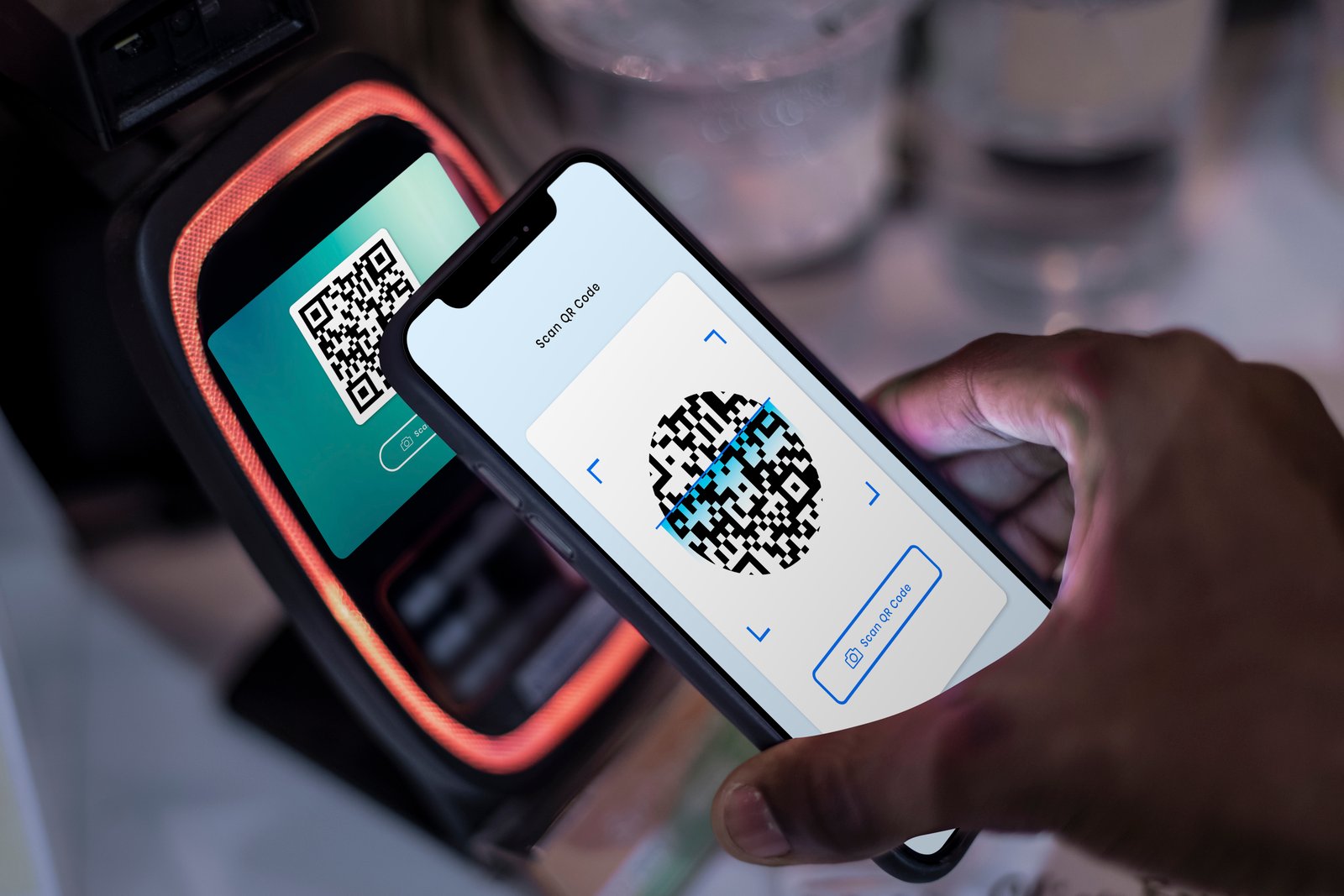
The impact of UPI extends well beyond banks and financial institutions. Street vendors, shopkeepers, farmers, students, salaried employees and small businesses have increasingly adopted digital payments. QR codes have made it possible for even small merchants to accept payments without requiring expensive infrastructure.
UPI has also expanded beyond India’s borders. The platform has been integrated in several countries, allowing Indian tourists, expatriates and businesses to make payments through UPI-enabled systems and QR codes. Countries including Bhutan, Nepal, France, the UAE, Singapore, Cyprus and Qatar have enabled forms of UPI-based payments, while efforts to expand its international presence continue across Europe, Southeast Asia and the Middle East.
The international adoption of UPI reflects India’s growing influence in digital financial infrastructure. Instead of merely adopting technologies developed elsewhere, India has created a payment ecosystem that other countries are studying and, in some cases, seeking to replicate.
The platform also has the potential to strengthen India’s economic relationships with other countries. Greater integration of payment systems can make cross-border transactions easier for businesses, travellers and consumers while creating new opportunities for bilateral trade and investment.
The success of UPI therefore represents more than a story of rapidly increasing transaction numbers. It demonstrates how digital infrastructure can make financial services accessible to millions of people and bring technology into the daily lives of ordinary citizens.
As UPI enters its second decade, its journey reflects India’s ability to build and deploy technology at an enormous scale. From a platform handling thousands of transactions in its early days, UPI has evolved into a central pillar of India’s digital economy and an increasingly recognised example of technological innovation.
Its continued expansion could further strengthen India’s digital economy while reinforcing the country’s position as a global leader in real-time payments and digital financial infrastructure.