Washington, Aug 2026 : The United States has launched a new digital platform designed to bring defence companies, technology start-ups, investors and research institutions into the development of its ambitious $185 billion Golden Dome missile defence system, in a move aimed at accelerating innovation and reducing bureaucratic delays.
Gen. Mike Guetlein, Director of Golden Dome for America, announced the Golden Dome for America Ecosystem Hub at the annual Space and Missile Defense Symposium. The platform is intended to create a direct link between programme officials and a broad range of potential partners, including traditional defence contractors, commercial technology firms, venture capital investors, universities, research laboratories and emerging entrepreneurs.
Under the new system, prospective industry partners will be able to register on the platform, upload technology concepts and submit designs directly to officials responsible for the programme. The Department of War said the digital approach could significantly shorten the administrative processes that have historically delayed the transition of new technologies from development to operational deployment.
The portal will also provide real-time, unclassified information about capability gaps within the Golden Dome programme. Companies, researchers and investors will be able to use these requirements to focus research and development efforts on areas considered to be immediate priorities for the missile defence architecture.
“To defeat a new generation of sophisticated, maneuvering aerial threats, we must build a defensive shield that adapts faster than the adversary,” Guetlein said.
He said the initiative would reduce bureaucratic barriers and encourage partnerships between the commercial technology sector and national defence establishment. According to Guetlein, the objective is also to overcome the so-called “Valley of Death”, where promising technologies often struggle to move from laboratory development to large-scale military deployment.
The US Department of War described the platform as a significant change in the way Washington intends to develop its next-generation, multi-layered defence against missiles and other aerial threats.
Focus on Cost and Competition
Guetlein said the government would seek to control the enormous cost of Golden Dome by making greater use of commercially available technologies and encouraging competition among suppliers.
While acknowledging the scale of investment required for national defence, he stressed that government spending would have to remain efficient.
The programme is also expected to strengthen the US defence industrial base and make supply chains more resilient. Qualified suppliers will be able to connect with new sources of private capital, potentially helping smaller technology companies scale up production.
The department said involving multiple vendors could reduce vulnerabilities associated with lower-tier suppliers and prevent excessive dependence on individual companies. A broader industrial base could also allow the United States to rapidly increase production when required.
Building a Layered Missile Shield
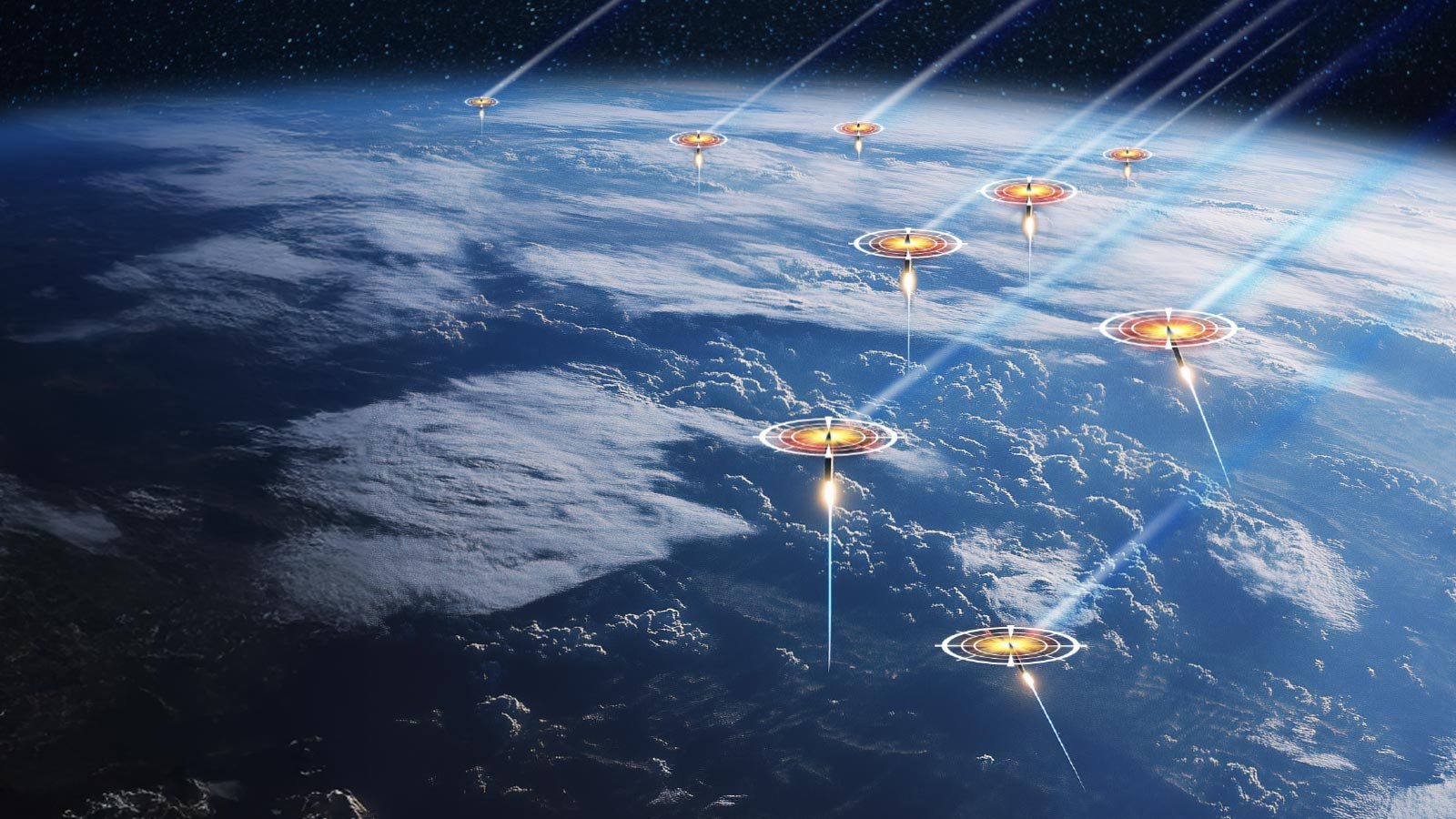
Golden Dome is envisioned as an integrated, multi-layered defence network capable of detecting, tracking and intercepting a range of incoming missile and aerial threats. Such systems typically combine sophisticated sensors, command-and-control networks and interceptors designed to respond at different stages of an attack.
The initiative reflects a broader US strategy to bring commercially developed technologies into national security programmes more rapidly. By connecting defence planners directly with start-ups, investors, universities and established contractors, Washington hopes to shorten development timelines while expanding the pool of technologies available for the Golden Dome architecture.
Ultimately, the new digital hub represents an effort to combine military requirements with private-sector innovation as the United States seeks to build a more adaptable and resilient missile defence system.
(The content of this article is sourced from a news agency and has not been edited by the Mavericknews30 team.)