US Trade Court Blocks Trump’s New Global Tariffs, Says Administration Exceeded Legal Authority

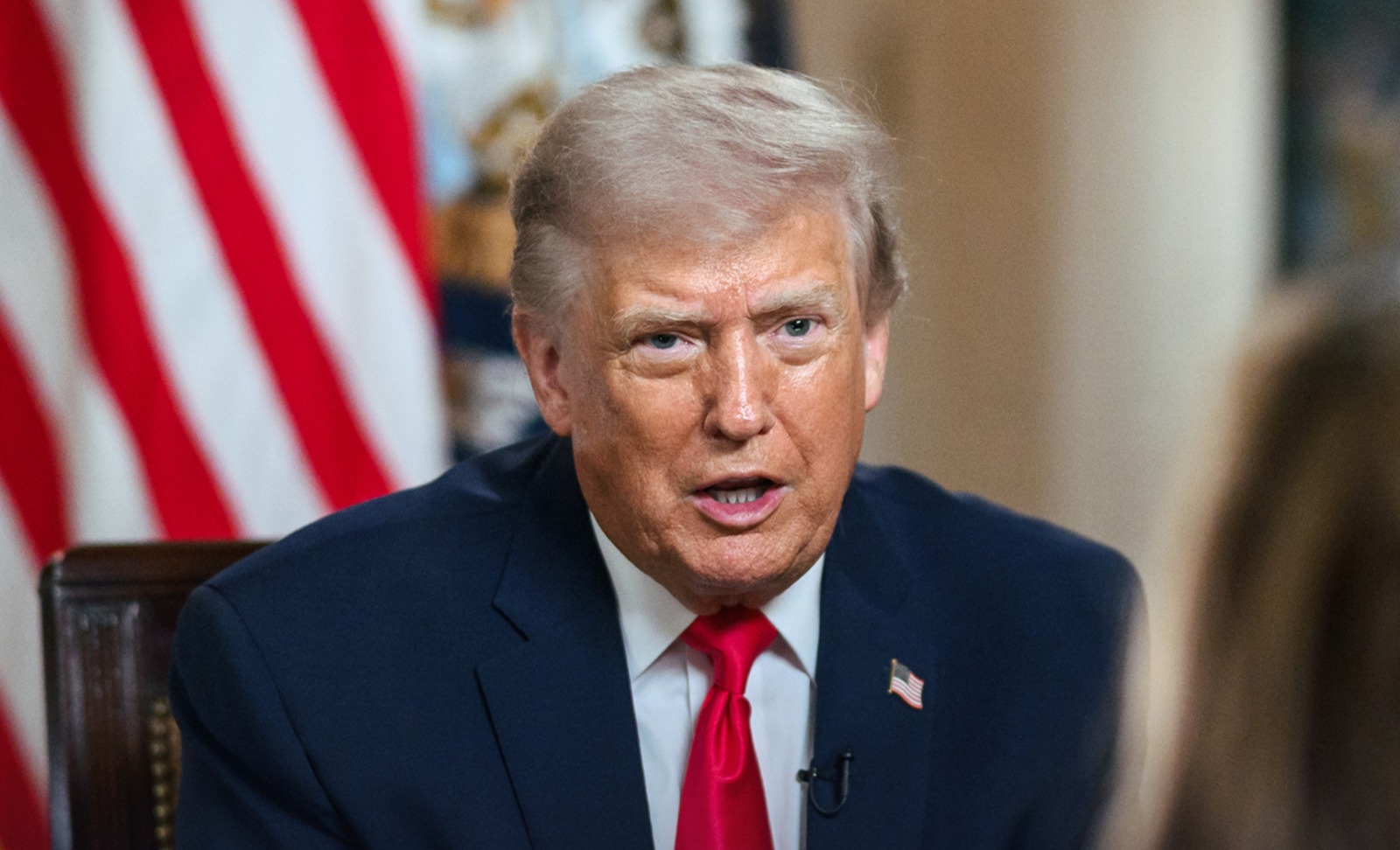
Washington, May 2026 : A major legal setback was dealt to Donald Trump on Thursday after a US federal trade court struck down his administration’s latest attempt to impose broad global tariffs, ruling that the White House had exceeded its authority under the Trade Act of 1974.
In a 2-1 judgment, the US Court of International Trade ruled that the Trump administration could not legally justify a 10 per cent import surcharge on goods entering the United States by citing trade deficits and current account imbalances under Section 122 of the Trade Act.
The court observed that Section 122 was originally designed to address specific balance-of-payments emergencies linked to the international monetary system that existed during the 1970s and was not intended to provide presidents with sweeping authority to impose tariffs in response to modern trade deficits.
Judges Mark A. Barnett and Claire R. Kelly, who formed the majority, stated that Trump’s proclamation failed to establish the legal conditions required under the statute.
According to the ruling, the administration relied heavily on current account deficits and broader trade imbalances rather than the narrower “balance-of-payments deficits” specifically envisioned by Congress when the law was enacted in 1974.
“Rather than identifying ‘balance-of-payments deficits’ as that term was intended in 1974, the Proclamation relies upon current account deficits, and a discussion of ‘a large and serious trade deficit,’” the majority opinion stated.
The judges also warned that accepting such a broad interpretation of the law could effectively hand future presidents unrestricted powers over trade policy and tariff imposition, raising significant constitutional concerns.
“Such an expansive reading of the statute would raise a non-delegation issue, which in turn would prompt a constitutional question,” the ruling added.
The tariffs in question had been introduced by Trump in February after the US Supreme Court earlier this year invalidated his previous tariff regime, which had been imposed using emergency powers under the International Emergency Economic Powers Act (IEEPA).
Following that setback, the Trump administration turned to Section 122 of the Trade Act of 1974 as an alternative legal route. The provision allows the President to impose temporary import surcharges of up to 15 per cent for a maximum period of 150 days under specific economic circumstances.
However, the trade court concluded that the administration’s interpretation stretched the law far beyond its intended purpose.
The case was brought by importers Burlap and Barrel and toy company Basic Fun, along with the State of Washington, all of whom challenged the legality of the tariffs. The court ruled in their favour while dismissing claims filed by several Democratic-led states on procedural grounds, citing lack of standing.
Judge Timothy Stanceu issued a dissenting opinion, arguing that courts should avoid interfering with presidential economic decisions and should not narrowly interpret how balance-of-payments concerns are measured in modern economic conditions.
The ruling is widely expected to be appealed before the US Court of Appeals for the Federal Circuit and could eventually return to the Supreme Court for a final constitutional determination.
Trump had strongly defended the tariff measures after the Supreme Court struck down his earlier trade actions earlier this year. Speaking at the White House in February, he insisted that his administration would continue pursuing aggressive trade policies.
“We’re going forward. We will be able to take in more money,” Trump had said at the time.
He had also described Section 122 as one of several “very powerful alternatives” available to the presidency after the court rejected his use of emergency powers to impose tariffs.
The latest ruling comes amid increasing scrutiny over the scope of executive authority in US trade policy. Critics, including several lawmakers from both parties, have argued that the US Constitution grants Congress — not the President — primary authority over tariffs and international trade regulation.
Even senior Republicans had previously expressed concerns over the use of emergency or expansive executive powers in trade matters. Mitch McConnell had earlier criticised attempts to bypass Congress in imposing tariffs, stating that such actions were unlawful.
The court’s decision is likely to intensify the ongoing debate in the United States over presidential authority, economic nationalism, and the balance of power between Congress and the executive branch in shaping trade policy.
(The content of this article is sourced from a news agency and has not been edited by the Mavericknews30 team.)





Shivakumar Says Congress United, Assures Women Will Get Cabinet Berth
Bengaluru, Aug 2026 : Karnataka Chief Minister D.K. Shivakumar on Monday sought to dismiss…
Shivakumar Says Congress United, Assures Women Will Get Cabinet Berth
Bengaluru, Aug 2026 : Karnataka Chief Minister D.K. Shivakumar on Monday sought to dismiss …