Iran Missile Toward Kuwait Intercepted, CENTCOM Calls It “Ceasefire Violation”

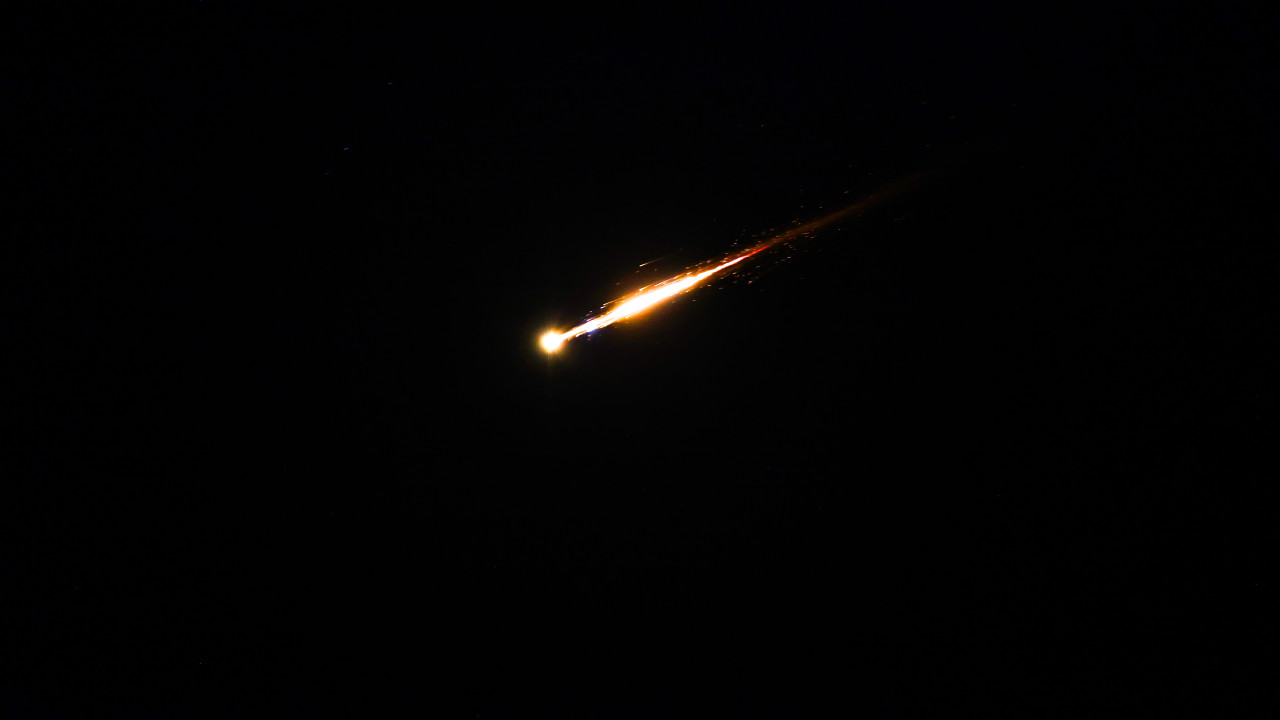
Kuwait, May 2026 : A ballistic missile launched from Iran towards Kuwait was successfully intercepted by Kuwaiti air defence forces, the United States Central Command (CENTCOM) said on Thursday, describing the incident as a serious ceasefire violation.
According to CENTCOM, the missile was fired at 10:17 pm Eastern Time (US) on May 27 and was neutralised before it could reach its intended target. The command confirmed that Kuwaiti defence systems detected and intercepted the incoming threat, preventing any damage or casualties.
“In an egregious ceasefire violation by the Iranian regime, a ballistic missile was launched toward Kuwait and was successfully intercepted by Kuwaiti forces,” CENTCOM stated in a post on social media platform X.
The US military further reported that the missile strike was part of a broader pattern of hostile activity in the region. According to CENTCOM, just hours before the missile launch, Iranian forces had deployed five one-way attack drones that posed a direct threat in and around the strategic Strait of Hormuz. All five drones were intercepted by US forces, while a sixth attempted launch was prevented after US troops targeted a ground control site in Bandar Abbas, Iran.
The Strait of Hormuz, one of the world’s most critical oil transit routes, has remained a flashpoint amid rising tensions in the Gulf region, with repeated concerns over maritime security and regional stability.
On Wednesday, Kuwait’s Army confirmed that its air defence systems were actively responding to hostile missile and drone threats. The General Staff of the Army stated that explosions heard in various areas were the result of successful interception operations conducted by air defence units.
Authorities reassured residents that security forces remained on high alert and were closely monitoring all aerial threats to ensure the protection of national airspace.
The escalating situation drew strong international reactions. The United Arab Emirates (UAE) condemned the attacks, describing them as “terrorist drone and missile attacks by Iran.” In a statement issued by its Ministry of Foreign Affairs (MoFA), the UAE said the actions constituted a “flagrant violation of Kuwait’s sovereignty” and posed a direct threat to its security and stability.
The UAE expressed full solidarity with Kuwait and reaffirmed its support for all measures taken to safeguard the country’s territorial integrity and national security. It also called for restraint and respect for international law amid rising tensions in the Gulf.
Meanwhile, US President Donald Trump also addressed broader regional concerns, ruling out any possibility of Iran gaining control over the Strait of Hormuz during ongoing diplomatic negotiations.
Speaking at a Cabinet meeting at the White House, Trump stressed that the strategic waterway would remain open for international shipping.
“The Strait is going to be open to everybody. Nobody’s going to control it. It’s international waters,” Trump said.
He further noted that Iran had expressed interest in exerting influence over the key maritime route during discussions with the United States, but firmly rejected the idea.
“They would like to control it. Nobody’s going to control it,” he added.
The incident adds to growing geopolitical tensions in the Gulf region, where military activity, drone strikes, and diplomatic friction continue to raise concerns over broader regional stability and the security of global energy routes passing through the Strait of Hormuz.







Adani group visits Hon’ble Deputy Chief Minister and Energy Department, Govt. of Odisha
Bhubaneswar, July, 2026 : Kharavel Bhawan, representatives from the Adani Group delivered …

Adani group visits Hon’ble Deputy Chief Minister and Energy Department, Govt. of Odisha
Bhubaneswar, July, 2026 : Kharavel Bhawan, representatives from the Adani Group delivered a comprehensive …