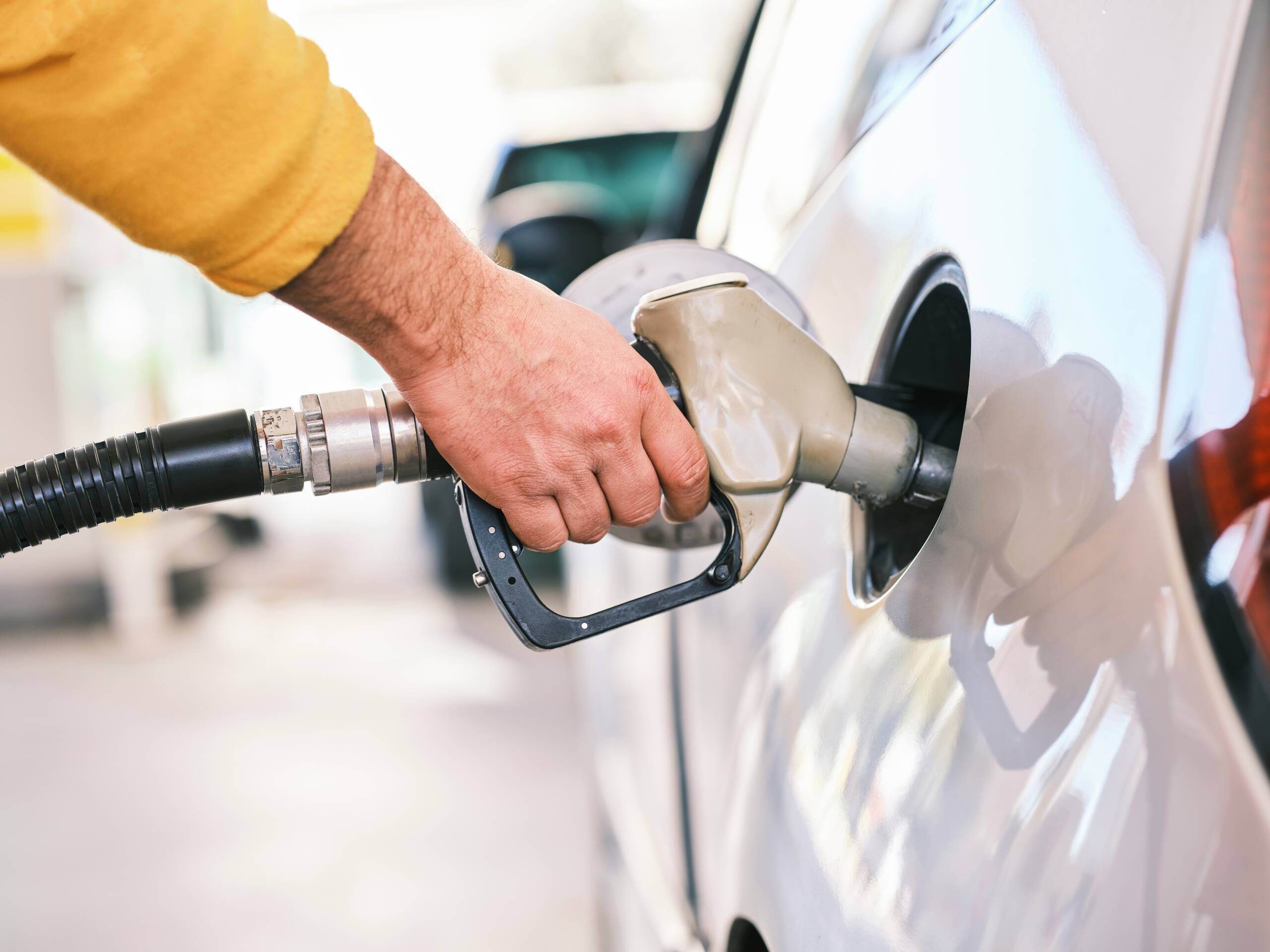
Fuel Supply Stable, PNG Expansion Accelerates Across India

New Delhi, March 2026: The government has assured that petrol and diesel supplies remain stable across the country, with all retail outlets functioning normally and maintaining adequate stocks to meet national demand. The clarification comes amid isolated instances of panic buying triggered by rumours in certain areas.
Officials said all refineries are operating at high capacity, backed by sufficient crude inventories to ensure uninterrupted fuel availability. Authorities emphasised that there is no cause for concern, as supply chains remain robust and well-coordinated.
In parallel, the government is ensuring uninterrupted supply of piped natural gas (PNG) and compressed natural gas (CNG). While domestic PNG and CNG transport sectors are receiving 100 per cent supply, industrial and commercial users connected to the gas grid are being supplied around 80 per cent of their average consumption to maintain economic activity.
To further strengthen gas infrastructure, the Centre has notified the Natural Gas and Petroleum Products Distribution Order, 2026. The new framework is aimed at fast-tracking nationwide pipeline expansion through streamlined approvals and time-bound processes, reducing delays related to land access and boosting PNG network growth.
A significant milestone was achieved with a single-day addition of 9,046 new PNG connections across more than 110 geographical areas. Public sector entities such as Indraprastha Gas Limited and GAIL are offering incentives to accelerate adoption. In Delhi, the Delhi Development Authority has facilitated round-the-clock pipeline laying and waived road restoration charges to speed up implementation.
Regulatory bodies have also been directed to expedite approvals. The Petroleum and Explosives Safety Organisation (PESO) has been asked to process city gas distribution applications within 10 days, while the Petroleum and Natural Gas Regulatory Board has prioritised PNG connections for residential schools, hostels and community kitchens, mandating completion within five days.
On the LPG front, allocations to States and Union Territories have been increased to 50 per cent, with an additional 10 per cent linked to progress in shifting consumers to PNG. This enhanced supply is being prioritised for essential sectors such as restaurants, dhabas, hotels and migrant workers using smaller cylinders.
Strict enforcement measures are also underway. Under the Essential Commodities Act, authorities conducted over 2,700 raids in a single day, seizing around 2,000 cylinders. More than 650 FIRs have been registered and 155 individuals arrested for irregularities.
To ease pressure on LPG demand, the government has allocated an additional 48,000 kilolitres of kerosene and increased coal supply to small and medium consumers as alternative energy sources.
Separately, the Union Cabinet, led by Narendra Modi, has approved the continuation of the Immigration, Visa, Foreigners Registration and Tracking (IVFRT) Scheme for five years beyond March 2026, with an outlay of ₹1,800 crore. It has also cleared plans to develop 100 new airports and 200 modern helipads under the modified UDAN scheme, aimed at boosting regional connectivity.



Delivery Of Second Indigenous Diving Support Vessel – ‘Nipun’
‘Nipun’ the second Diving Support Vessel (DSV), built by Hindustan Shipyard Limited&n…

Delivery Of Second Indigenous Diving Support Vessel – ‘Nipun’
‘Nipun’ the second Diving Support Vessel (DSV), built by Hindustan Shipyard Limited was delivered to the …