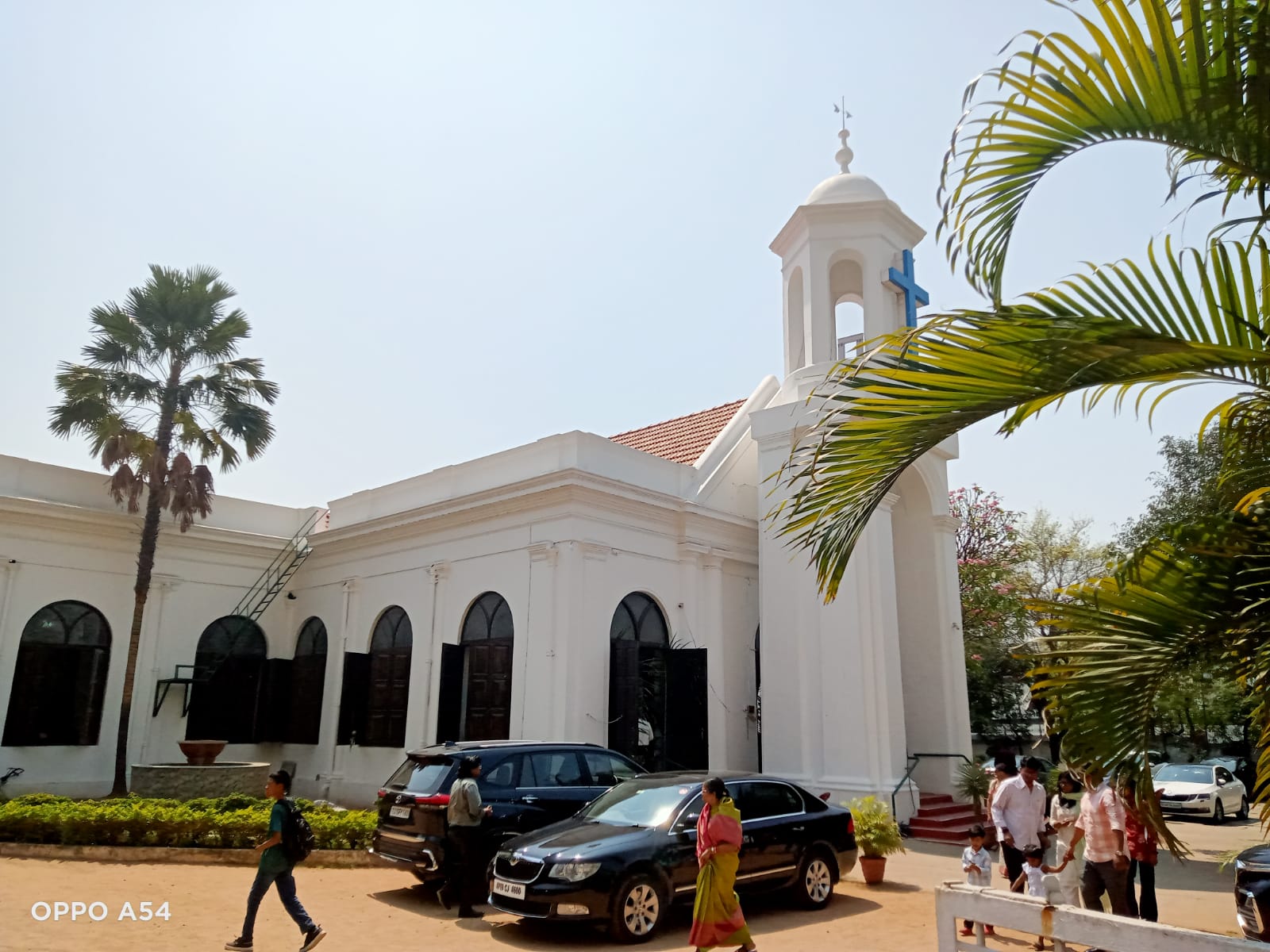
From ‘Hosanna’ to Resurrection: A Journey of Faith and Hope

“A powerful journey through Holy Week—from the hope of Palm Sunday to the sacrifice of the Cross and the joy of Easter Sunday, reflecting faith, love, and redemption.”
Hyderabad, March 2026 : Every year, millions of Christians across the world enter a deeply spiritual and reflective period that begins with Palm Sunday—a day that is both celebratory and profoundly symbolic. It marks not just a historical moment, but the opening chapter of Holy Week, culminating in the resurrection of Jesus Christ on Easter Sunday. This sacred timeline is filled with meaning, emotion, and timeless lessons that continue to resonate across cultures and generations.
The Significance of Palm Sunday

Palm Sunday commemorates the triumphant entry of Jesus Christ into Jerusalem, just days before His crucifixion. According to the Gospels, He entered the city riding on a donkey—an intentional symbol of humility and peace, rather than a horse, which represented power and conquest. As He arrived, crowds gathered to welcome Him, laying palm branches and cloaks along His path and shouting “Hosanna,” meaning “save us.”
This moment holds deep significance. It fulfilled ancient prophecies and marked a rare public acknowledgment of Jesus as a king. Yet, it also carries a powerful irony—the same crowd that celebrated Him would soon turn against Him. This duality reflects the fragile nature of human loyalty and the complexity of faith.
Symbolism Behind the Celebration
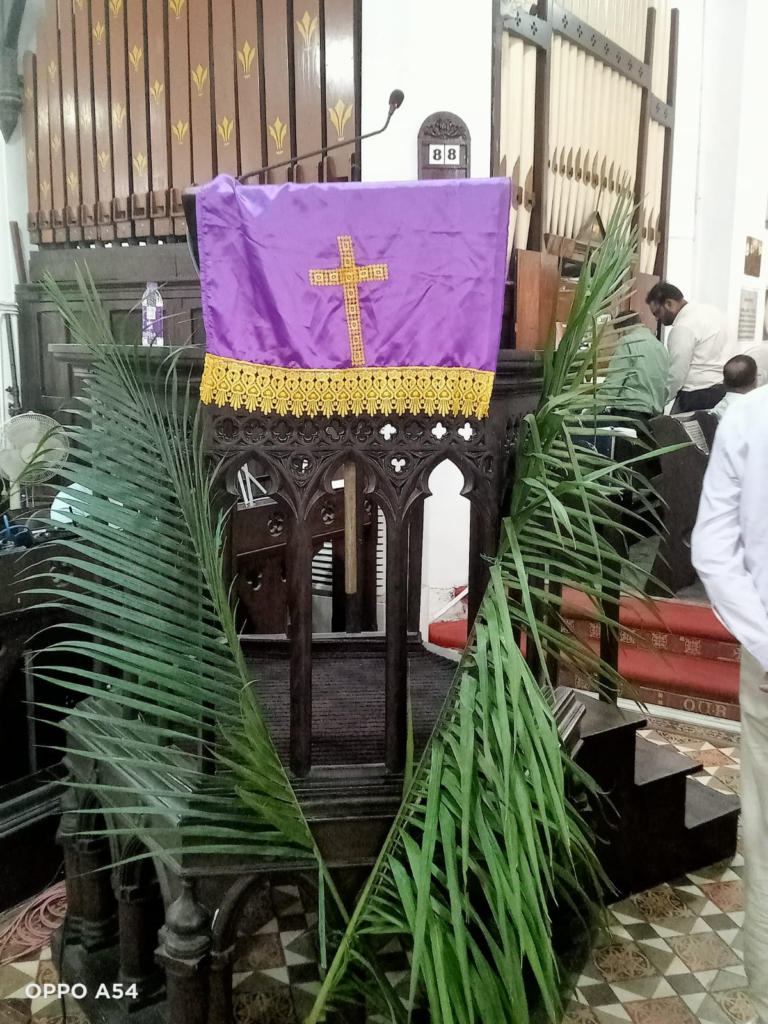
Palm Sunday is rich in symbolism. The palm branches represent victory, peace, and spiritual triumph—core values of Jesus’ teachings. Even today, churches distribute blessed palm leaves, often woven into crosses and kept in homes as reminders of faith, devotion, and divine protection.
Equally meaningful is the image of the donkey. Often overlooked, it symbolizes humility and servant leadership. Through this, Jesus demonstrated that true greatness lies not in authority or dominance, but in compassion and service. This message remains deeply relevant in a world often driven by power and status.
Historical and Cultural Evolution
The observance of Palm Sunday dates back to the early centuries of Christianity, with documented celebrations emerging around the 4th century. Over time, it evolved into a global tradition, shaped by local cultures and customs.
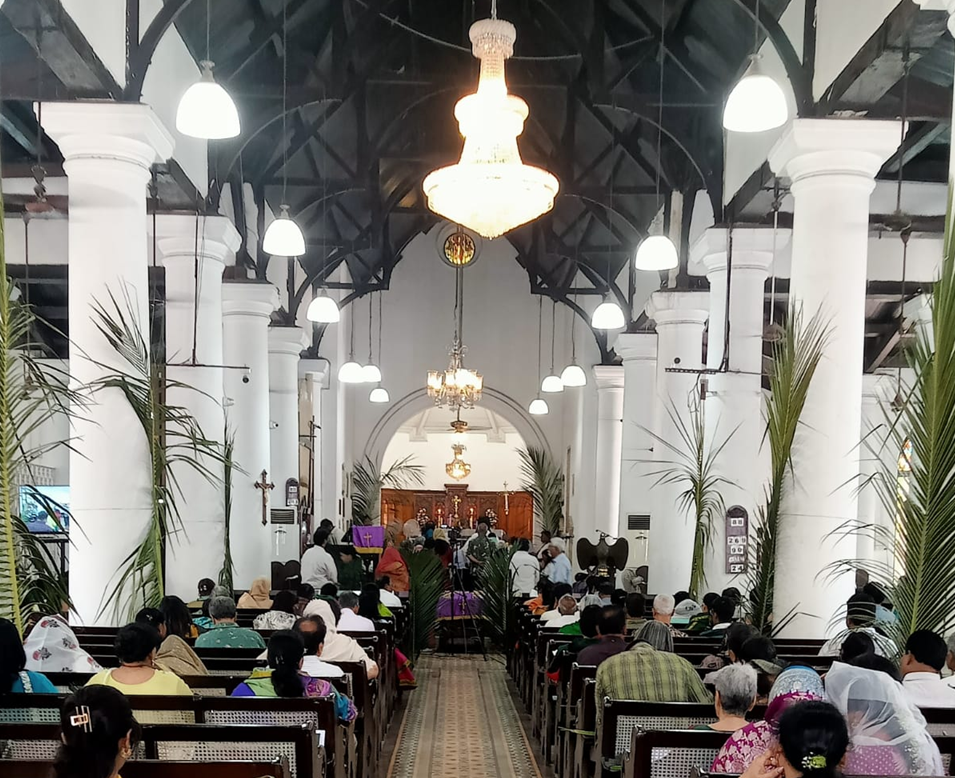
In countries like Italy and Spain, grand processions reenact biblical scenes with elaborate rituals. In the Philippines, the day is marked by vibrant festivities, featuring intricately woven palm decorations known as “palaspas.” In India, particularly in regions like Goa and Kerala, churches witness large gatherings of devotees participating in processions, holding palm leaves, and singing hymns.
Different Christian denominations observe the day in distinct ways. The Catholic Church often incorporates detailed Passion readings and ceremonial processions. Protestant communities may focus more on sermons and symbolic worship, while Orthodox Christians follow their own liturgical calendar, sometimes celebrating on a different date altogether.
The Transition from Joy to Reflection
What makes Palm Sunday especially unique is its dual emotional tone. It begins with celebration but gradually transitions into introspection and solemnity. It serves as the gateway to Holy Week—a period that retraces the final days of Jesus Christ’s life, including betrayal, suffering, crucifixion, and ultimately, resurrection.
This shift from joy to reflection is deeply symbolic. It reminds believers of how quickly public opinion can change and highlights the enduring strength of faith in the face of adversity. It prepares the faithful to walk spiritually alongside Jesus through His final journey, encouraging them to reflect on sacrifice, forgiveness, and redemption.
Timeless Lessons for Modern Life
Beyond its religious significance, Palm Sunday offers universal lessons. It teaches humility in leadership, resilience in adversity, and the importance of staying true to one’s values even in the face of rejection. It also encourages self-reflection—inviting individuals to examine their own faith, actions, and commitments.
In a fast-paced, ever-changing world, the message of Palm Sunday remains a powerful reminder of peace, compassion, and unwavering belief. As the first step into Holy Week, it calls on people not just to remember a historical event, but to experience a deeper spiritual awakening—one that continues to inspire millions year after year.
The Journey Through Holy Week
Following Palm Sunday, the Christian calendar moves through a series of deeply meaningful days, each highlighting a different aspect of Jesus’ final journey.
Holy Monday to Wednesday
These days are often marked by reflection on Jesus’ teachings and actions in Jerusalem. They include events such as the cleansing of the temple and moments of confrontation with religious authorities. These days encourage believers to introspect and realign with spiritual values.
Maundy Thursday

This day commemorates the Last Supper, where Jesus shared a final meal with His disciples. It is here that He instituted the practice of Holy Communion and demonstrated humility by washing the feet of His disciples. The term “Maundy” comes from the Latin word for “command,” referring to Jesus’ instruction to love one another.
Good Friday
One of the most solemn days in Christianity, Good Friday marks the crucifixion and death of Jesus Christ. Churches observe this day with fasting, prayers, and services that reflect on His suffering and sacrifice. It is a day of mourning, yet it carries the promise of redemption.
Holy Saturday
A day of silence and waiting, Holy Saturday represents the time Jesus lay in the tomb. It is often observed with quiet reflection, symbolizing hope in the midst of despair.
The Joy of Easter Sunday
The journey culminates in Easter Sunday, the most important day in the Christian calendar. It celebrates the resurrection of Jesus Christ, symbolizing victory over death and the promise of eternal life.
Easter is marked by joyous celebrations—church services, festive meals, and cultural traditions like Easter eggs, which symbolize new life. The transformation from the sorrow of Good Friday to the joy of Easter Sunday encapsulates the core message of Christianity: hope, renewal, and redemption.
Relevance in Modern Times
In today’s fast-paced world, the journey from Palm Sunday to Easter offers a powerful reminder to pause and reflect. It teaches the importance of humility in success, resilience in adversity, and faith in uncertain times.
Palm Sunday, in particular, resonates as a lesson in perspective. It highlights how quickly public opinion can change and underscores the importance of staying grounded. The events of Holy Week further emphasize compassion, sacrifice, and the enduring power of hope.
A Message Beyond Religion
While deeply rooted in Christian belief, the themes of Palm Sunday and the days that follow have universal appeal. They speak of leadership through service, the strength to endure hardship, and the promise that even in the darkest moments, light will emerge.
For many, this period is not just about religious observance but also about reconnecting—with oneself, with others, and with a higher purpose.
Conclusion
From the waving of palm branches in Jerusalem to the empty tomb on Easter morning, the journey of Holy Week is one of profound transformation. Palm Sunday sets this journey in motion, inviting believers into a week of reflection, sacrifice, and ultimately, celebration.
As the world changes, the message remains timeless: humility over pride, faith over fear, and hope over despair. And in that message lies the enduring significance of this sacred season—a reminder that every ending carries within it the promise of a new beginning.
Team Maverick.








Japan And Vietnam To Jointly Develop Fast Landing Craft.
Tokyo; July 2026: The Japanese Defence Minister Shinjiro Koizumi in a post cabinet meeting…

Japan And Vietnam To Jointly Develop Fast Landing Craft.
Tokyo; July 2026: The Japanese Defence Minister Shinjiro Koizumi in a post cabinet meeting …