Iran Reopens Strait of Hormuz Amid Lebanon Ceasefire, Eases Global Supply Concerns

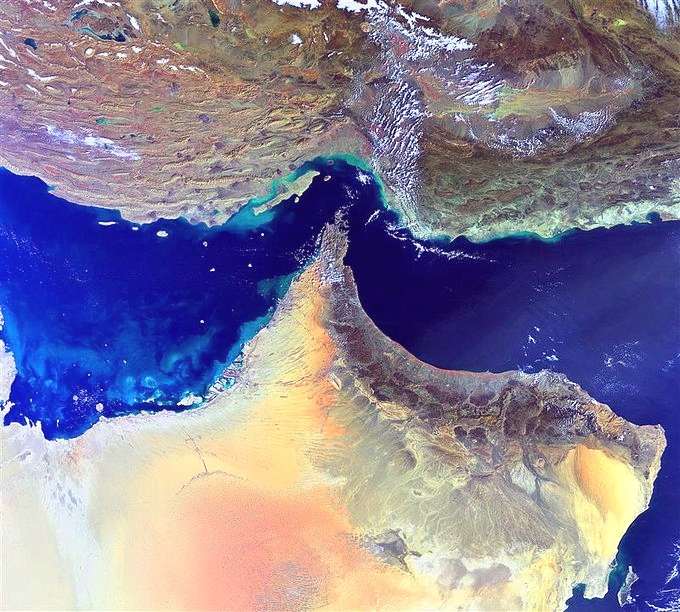
In a significant development offering relief to global markets, Iran has announced the full reopening of the Strait of Hormuz for all commercial shipping. The decision, made public on Friday, comes amid ongoing concerns over disruptions to oil and liquefied petroleum gas (LPG) supplies and is directly linked to the continuation of the ceasefire in Lebanon.
Iranian Foreign Minister Seyed Abbas Araghchi confirmed that vessels can now transit freely through the vital waterway, provided they comply with specific maritime protocols set by Iranian authorities. In an official statement, he said the reopening aligns with the ceasefire arrangements and ensures safe passage for commercial ships along designated routes coordinated by Iran’s Ports and Maritime Organization.
The Strait of Hormuz holds immense global importance as one of the world’s most critical maritime corridors. A substantial portion of international oil and gas supplies passes through this narrow passage, making it a key lifeline for global energy markets. Recent geopolitical tensions in the Middle East had heightened fears of potential blockades or disruptions, triggering volatility in global trade and energy prices.
Tehran’s move to reopen the strait is therefore seen as a stabilizing step, reassuring markets and reducing immediate concerns over supply chain interruptions. The decision is expected to positively impact global energy flows, particularly for countries heavily dependent on oil imports routed through the region.
However, Iran has attached clear conditions to the reopening. All vessels must strictly adhere to designated navigational corridors established by its maritime authorities. This measure aims to ensure safety, maintain order, and prevent any incidents in the sensitive waterway.
Importantly, the continued access to the Strait of Hormuz remains conditional on the durability of the ceasefire in Lebanon. Iranian officials have indicated that any escalation in regional tensions could affect the current arrangement, making the situation closely tied to broader geopolitical developments.
While the reopening marks a positive step toward stability, it also underscores the fragile nature of peace in the region and the interconnectedness of global trade routes with Middle Eastern geopolitics.



Shivakumar Says Congress United, Assures Women Will Get Cabinet Berth
Bengaluru, Aug 2026 : Karnataka Chief Minister D.K. Shivakumar on Monday sought to dismiss…
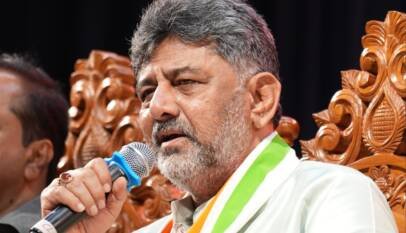
Shivakumar Says Congress United, Assures Women Will Get Cabinet Berth
Bengaluru, Aug 2026 : Karnataka Chief Minister D.K. Shivakumar on Monday sought to dismiss …