“The Future of Women Will Be Strengthened Through Kitchen Gardens”

- The future of women will be strengthened through kitchen gardens
- Medicinal plant cultivation will provide sustainable employment
- Pilot project launched in Dhamtari; Sindoori and Satawar plantation to generate additional income of up to ₹30,000 annually
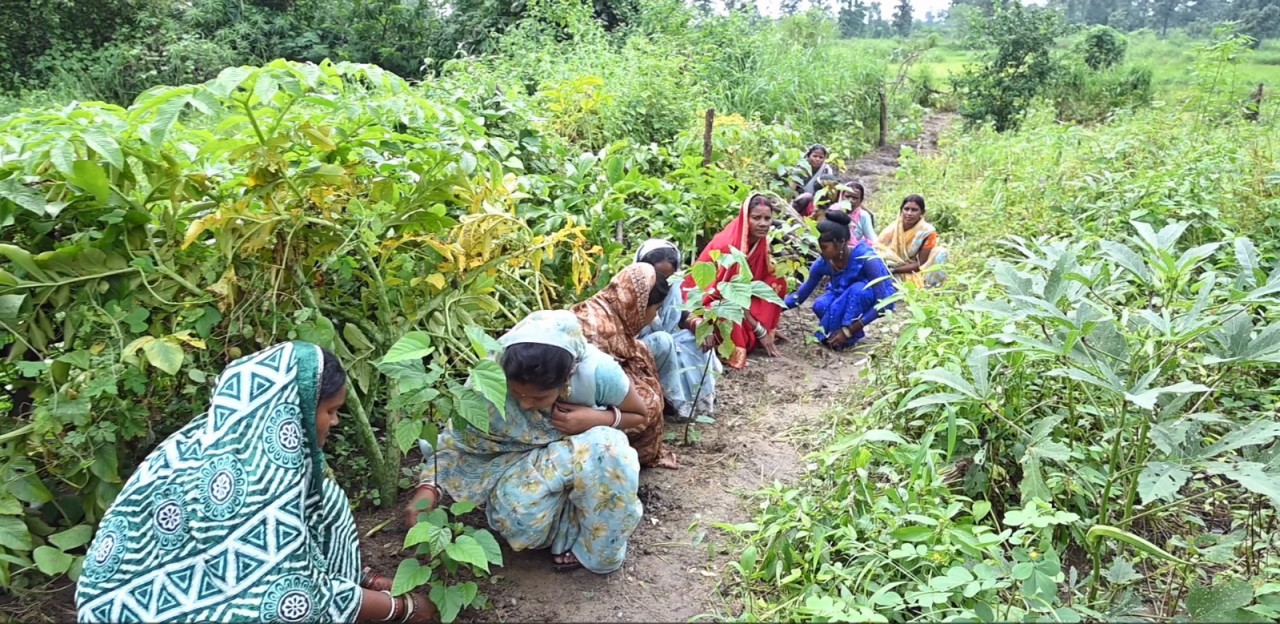
Raipur, May 2026: The future of women will be strengthened through kitchen gardens as medicinal plant cultivation emerges as a strong source of income, offering sustainable employment and significantly higher profits compared to traditional farming. With rising demand for plants such as Ashwagandha, Tulsi, Amla, Sindoori, Satawar, and Aloe Vera, this sector is not only promoting health but also opening new avenues for rural development by 2026.
With the aim of making rural women of Chhattisgarh financially self-reliant, the Chhattisgarh Tribal, Local Health Tradition and Medicinal Plant Board has taken a revolutionary initiative. Under its new scheme, “Cultivation of Medicinal Plants in Kitchen Gardens,” women will now be able to earn income directly from their homes. The primary objective of this initiative is to provide regular livelihood opportunities to women within their household premises (kitchen gardens).
Demand-based cultivation of Sindoori and Satawar
Sindoori and Satawar cultivation has emerged as a highly profitable, demand-driven option due to their extensive use in Ayurveda and natural dye industries. Under the scheme, rural women are being provided two high-demand medicinal plants—Sindoori and Satawar—free of cost.
Sindoori seeds are widely used in food processing, cosmetics, and Ayurvedic medicines. The Satawar plant is highly important in the preparation of medicines used for treating physical weakness, enhancing lactation, and reducing mental stress.
Stable income in a short period
The biggest advantage of this scheme is its sustainable nature. Sindoori begins yielding produce within 12 months, while Satawar starts generating returns within 16 months. Each beneficiary woman is expected to earn an additional income of ₹20,000 to ₹30,000 per year. Once planted, this source of income can continue to provide benefits for up to 20 years.
Success of pilot project in Dhamtari
The scheme has been launched as a pilot project in Dhamtari district. In 27 villages of the district, 509 women have planted around 82,000 Satawar plants and 39,000 Sindoori plants in their kitchen gardens. It is expected that these women will begin receiving income from the first harvest starting January 2027.
Board Chairman Shri Vikas Markam described the initiative as a model for rural empowerment. Vice Chairman Shri Anjay Shukla said that women in rural areas are often unable to work outside due to household responsibilities. This scheme will provide them dignified employment and financial stability right at their doorstep.



Trump Declares Strait of Hormuz Reopened Under US Protection, Imposes Full Blockade on Iranian Shipping
Washington, July 2026 : US President Donald Trump on Tuesday announced that the Strait of …

Trump Declares Strait of Hormuz Reopened Under US Protection, Imposes Full Blockade on Iranian Shipping
Washington, July 2026 : US President Donald Trump on Tuesday announced that the Strait …