Strait of Hormuz Emerges as Flashpoint in Debate Over Trump-Iran Agreement

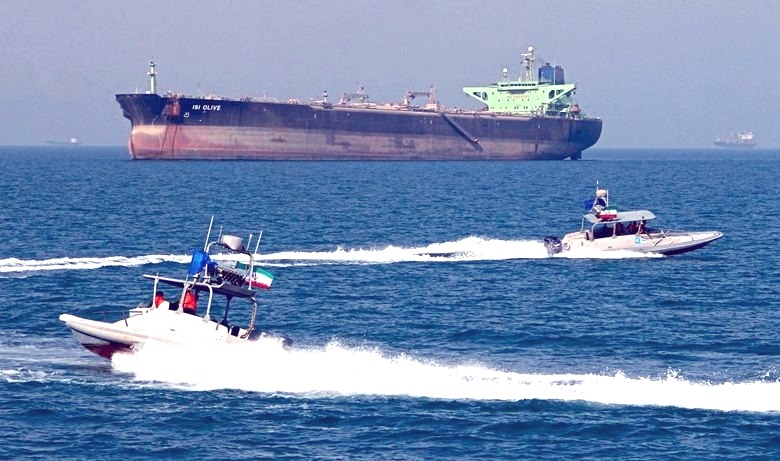
Washington, June 2026: The future status of the strategically vital Strait of Hormuz has become a major point of contention following the new agreement between the United States and Iran, with lawmakers, former officials and energy analysts expressing concern that Tehran could gain increased influence over one of the world’s most critical maritime trade routes.
The memorandum of understanding signed last week between Washington and Tehran helped bring an end to nearly four months of heightened tensions and conflict. However, the deal has sparked a fierce debate in political and strategic circles over whether it could inadvertently strengthen Iran’s position in the narrow waterway that serves as a lifeline for global energy supplies.
The Strait of Hormuz is among the most important shipping corridors in the world, carrying a significant share of international crude oil and liquefied natural gas exports. Any disruption to traffic through the route can have immediate consequences for global energy markets and economic stability.
Critics of the agreement argue that Iran could use its geographical position along the strait to exert greater influence over maritime traffic in the future. Former White House energy adviser Amos Hochstein warned that the implications of the deal may extend far beyond the nuclear issue and regional diplomacy.
According to Hochstein, Iran’s role in the Strait of Hormuz could become one of the most significant outcomes of the agreement. He suggested that Tehran may seek to develop mechanisms that would allow it to exercise greater authority over shipping activities in the region, potentially introducing tolls, fees or other forms of control.
He also cautioned that such influence could be used selectively, enabling Iran to pressure neighbouring countries or restrict access to vessels from nations with which it has disagreements. In his view, the issue is not merely about navigation rights but about long-term strategic leverage over global trade and energy flows.
Former US Defence Secretary Mark Esper echoed similar concerns, describing the prospect of increased Iranian control over the strait as a potential strategic setback. Esper argued that Tehran may have discovered a powerful tool capable of influencing international energy markets and regional geopolitics.
The former Pentagon chief stressed that the United States and its allies must ensure that freedom of navigation remains protected and that no single country gains undue control over such a vital international shipping route.
The Trump administration, however, has firmly rejected claims that the agreement weakens America’s strategic position. Administration officials maintain that the negotiations were conducted from a position of strength and insist that Iran remains economically, militarily and diplomatically constrained despite the new understanding.
US Ambassador to the United Nations Mike Waltz defended the agreement, arguing that Tehran entered negotiations after facing significant international pressure. He pointed to widespread global criticism of Iran’s previous actions in the Strait of Hormuz, including efforts to disrupt commercial shipping and maritime security.
Supporters of the agreement contend that diplomatic engagement offers the best path toward ensuring stability in the Gulf region while reducing the risk of future military confrontation. They argue that the deal creates a framework for dialogue and confidence-building measures that could help safeguard international trade routes.
Meanwhile, some lawmakers have taken a tougher stance. Republican Senator Lindsey Graham indicated that the United States would respond decisively if diplomatic efforts fail or if Iran attempts to assert greater control over the waterway. He emphasized that maintaining free and secure passage through the Strait of Hormuz remains a core American strategic interest.
Energy experts note that developments surrounding the strait are being closely monitored by global markets. Analysts believe that even if tensions continue to ease, restoring confidence, rebuilding inventories and stabilising energy prices could take time.
As discussions over the agreement continue, the Strait of Hormuz has emerged as a central issue in the broader debate over US-Iran relations. While supporters view the deal as an opportunity to reduce regional tensions, critics warn that its long-term consequences could reshape the balance of power in one of the world’s most strategically important regions.
(The content of this article is sourced from a news agency and has not been edited by the Mavericknews30 team.)




Spain Thrash Saudi Arabia 4-0 as Yamal and Oyarzabal Shine in Dominant World Cup Display
Score: Spain 4-0 Saudi Arabia Atlanta, June 2026 : Spain delivered a commanding performanc…

Spain Thrash Saudi Arabia 4-0 as Yamal and Oyarzabal Shine in Dominant World Cup Display
Score: Spain 4-0 Saudi Arabia Atlanta, June 2026 : Spain delivered a commanding performance …