UNICEF India and PIB Host Media Workshop on Childhood NCDs

Expanding Clinics, Ensuring Medicines, and Strengthening School-Based Support Key to Tackling Childhood NCDs, say healthcare experts
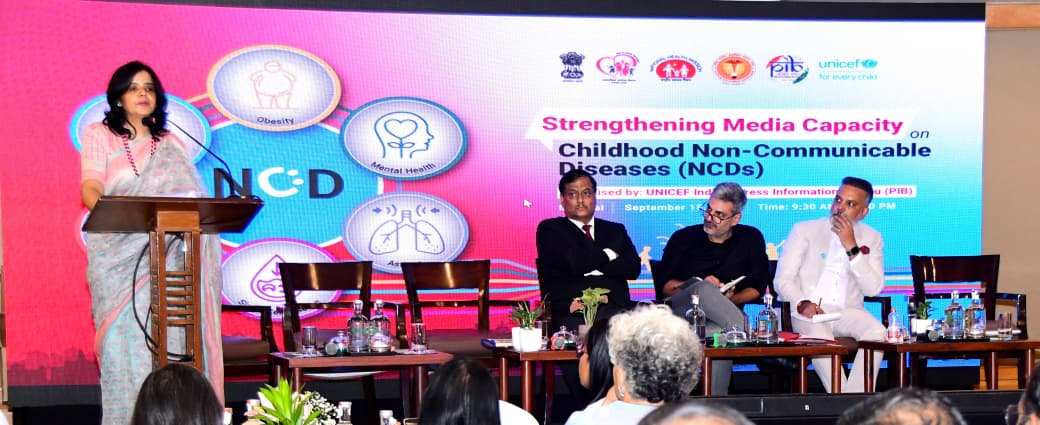
Mumbai, Sept 2025 : UNICEF India and Press Information Bureau collaboratively organized a media workshop on ”Childhood NCDs” in Mumbai today. The workshop served as a platform for health sector experts and professionals to share insights on the prevailing situation of childhood NCDs in the state and to deliberate on strategies for their effective prevention and management. Recognizing that communication plays a vital role in raising public awareness, the session also guided health sector mediapersons on effectively engaging with communities and building societal awareness around childhood NCDs.
Childhood non-communicable diseases (NCDs) are fast becoming a silent emergency in Maharashtra, affecting over six million children across the state. Conditions once considered adult illnesses—such as diabetes, asthma, congenital heart disease, sickle cell disease, and obesity—are now affecting children in growing numbers. Globally, NCDs are responsible for 71 per cent of all deaths. In India, they account for nearly two in three deaths. Maharashtra reflects this trend, as around 2,000 new cases of Type 1 diabetes and 20,000–25,000 cases of congenital heart disease were found in the state. Nearly 3.3 million children live with asthma, while 8.8 million are estimated to have some form of mental disorder in this state. Childhood obesity is also on the rise, with six million overweight children, including 2.4 million children who are obese in this state.
Delivering the keynote address of the session, the Secretary of Public Health Department, Government of Maharashtra, Dr. Nipun Vinayak, said, “The state is committed to strengthening services for children with NCDs. Expanding screenings in schools, ensuring free access to essential medicines, and improving district-level care are our immediate priorities.” Such diseases can be prevented in the future if care is taken from the time of pregnancy at primary health centres, further stated Dr. Nipun Vinayak. “We all need to work together to reach all levels of society, especially marginalized communities”, he added.
The Director General of Ministry of Information and Broadcasting, West Zone, Ms. Smita Vats Sharma stated, “Childhood NCDs are not just a health issue. They impact education, family income, and mental well-being. No child should miss school or feel isolated because of a disease that can be managed with the right care. Children’s health defines the state’s future.”
The Chief of UNICEF in Maharashtra Shri Sanjay Singh stated, “Childhood non-communicable diseases represent one of the most pressing but under-recognised challenges of our time”. Calling NCDs an invisible epidemic, he stated that Maharashtra’s leadership in launching focused action for early detection and integrated management sets a precedent for the rest of the country. He also stated, “UNICEF is privileged to partner with the Government of Maharashtra to ensure that every child, regardless of background, has the chance to live a healthy, fulfilling life. The impact extends beyond hospitals. Families struggle with recurring medical costs, frequent travel to district centres, and the stigma their children face at school and in communities”.Shri Singh also informed that AIIMS Nagpur, with the support of UNICEF, has established a Paediatric NCD Clinic, offering weekly outpatient services in order to address the challenge of Childhood NCDs. The state health department is also exploring ways to integrate children’s NCD care into the National Programme for Prevention and Control of NCDs, he added. Executive Director, AIIMS, Dr Prashant Joshi said, “The partnership between AIIMS Nagpur, UNICEF and the Government of Maharashtra allows us to move beyond treatment and focus on prevention—reaching children and families early, building healthier habits, and reducing the burden of childhood NCDs. Together with the Government of Maharashtra and UNICEF, AIIMS Nagpur is committed to ensuring that every child has a fair chance to grow up healthy and thrive.”
In the panel discussion, healthcare experts emphasized the need to strengthen school health screenings, provide free access to essential medicines such as insulin and inhalers, establish district-level NCD clinics, and integrate mental health support within educational systems as key measures to effectively address childhood NCDs. A Fact Check session on Health Misinformation was conducted by Director, PIB Mumbai, Shri Sayyid Rabeehashmi, which aimed to build awareness about about identifying false information, promoting accurate health communication, and encouraging responsible media reporting.
In a separate session moderated by Dr. Mangesh Gadhari, Health Specialist at UNICEF Maharashtra, children living with non-communicable diseases (NCDs) and their caregivers shared their challenges and voiced their expectations from society.
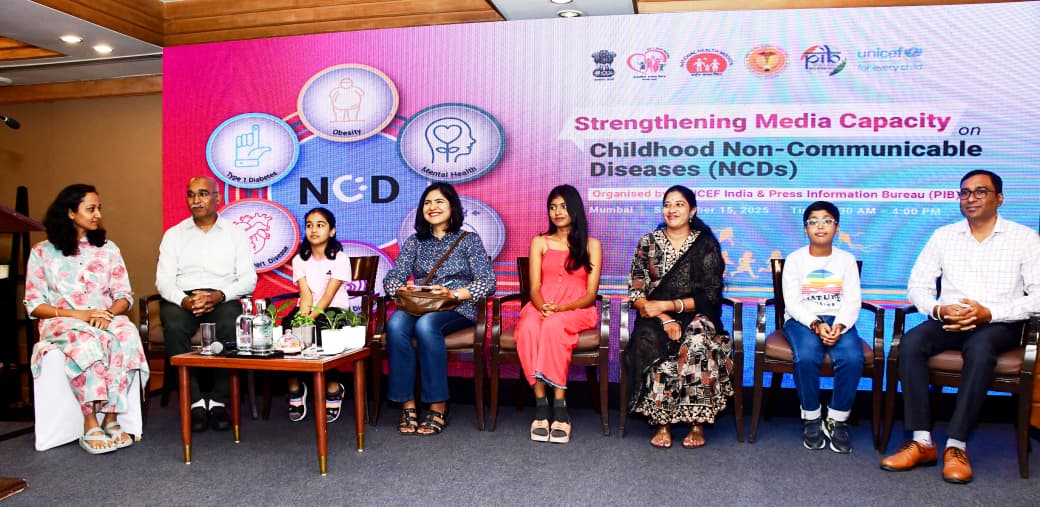
The concluding session involved an interactive group exercise where mediapersons developed story pitches on Childhood NCDs, followed by peer review and feedback, fostering collaborative learning and strengthening their capacity for impactful health reporting.





Preserve Maharashtra’s Saint Heritage, Develop Pilgrimage Centres: CM Devendra Fadnavis
Revised Development Plans for Gangakhed, Amravati and Katol Approved; ₹115 Crore Projects …
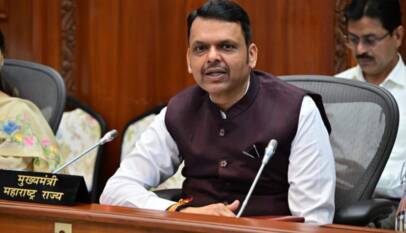
Preserve Maharashtra’s Saint Heritage, Develop Pilgrimage Centres: CM Devendra Fadnavis
Revised Development Plans for Gangakhed, Amravati and Katol Approved; ₹115 Crore Projects Get Green …