China Eases Visa Rules For India, Exploring Into US$ 21.6 Billion Travel Market.

Beijing; December 2025: Beijing and New Delhi have taken another step towards normalising economic ties after a Five Years Rift, as China moves to introduce a simplified visa process for Indian nationals that could help it tap India’s fast-growing travel market.
The Chinese embassy in New Delhi said earlier this month that Indian citizens would be able to apply for visas online from December 22nd, sparing them time-consuming initial in-person visits to the embassy or other consular offices in the country.
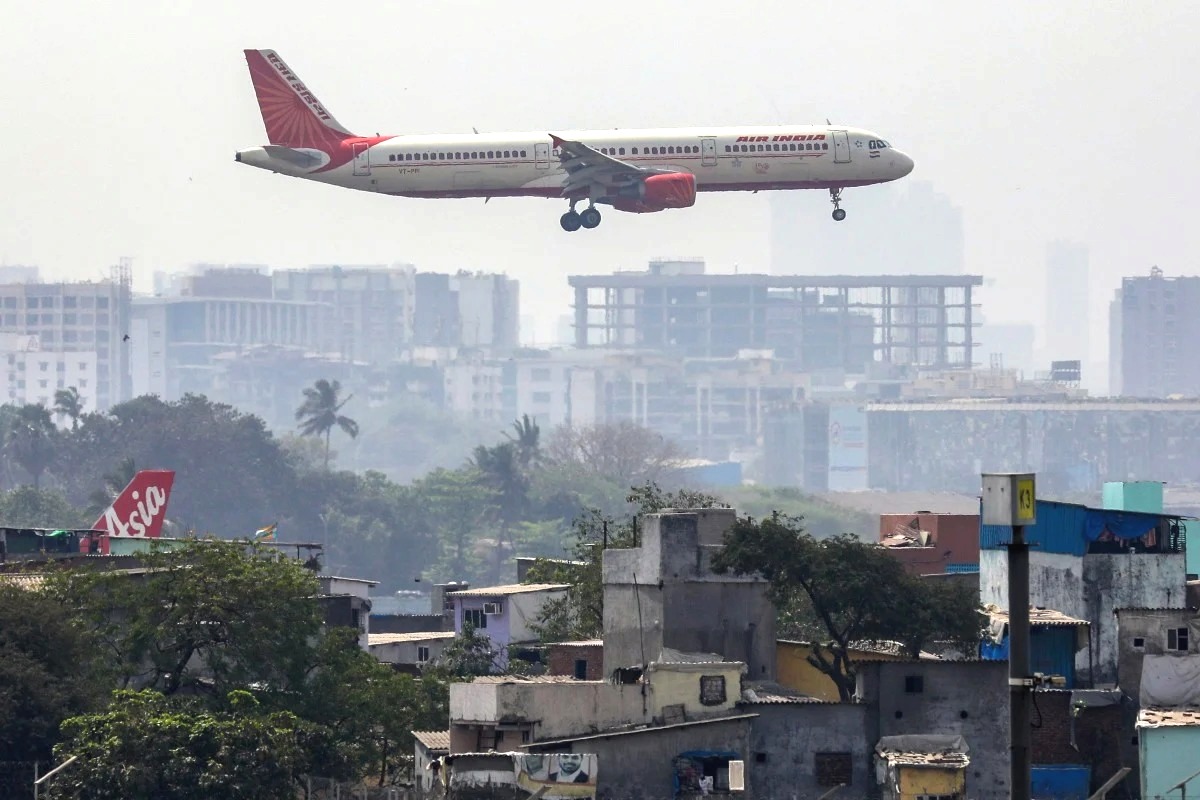
The move follows the resumption of direct flights between India and China in October after a five-year suspension. While the world’s two most populous nations remain, strategic rivals competing for regional influence, relations have gradually thawed since a deadly Himalayan border clash in 2020, analysts said.
“Generally speaking, China is relaxing its visa controls, and for China-India the megatrend is to have more engagement with each other”, said Victor Gao, Vice President of the Centre for China and Globalisation think tank in Beijing. “Granting more flexibility to Indians to visit China would be highly appreciated”.
The simpler visa policy could help China grab a bigger slice of India’s lucrative outbound travel market, which was worth US$ 21.6 billion last year and is predicted to balloon to US$ 61.7 billion by 2033, according to a report by Indian research firm Markets and Markets.
Indian tourism to China was growing fast before 2020, with 142,000 Indian nationals visiting the country in 2019, a 19% increase from the previous year, according to travel industry platform India Outbound. But travel then cratered amid the pandemic and growing political tensions.
Travellers from India would be more likely to visit China once they could file visa applications “faster”, said Pradip Putatunda, president of the Indian Recreation Club in Hong Kong, who has extensive contacts among Indian nationals in the city. “I’m 100% sure it will be helpful and people will react positively. People are willing to go to China for business and for travel purposes”.
Indians face visa restrictions in many countries, making places with simplified travel rules attractive to middle-class tourists, according to Jayant Menon, a senior fellow at the ISEAS – Yusof Ishak Institute in Singapore. “Any country that simplifies visa requirements for Indian nationals usually benefits significantly from tourism because of the difficulty for Indians travelling to most countries in the world”, Menon said.
A total of 20.1 million foreign travellers gained visa-free entry in 2024, surging by 112.3% from the previous year, according to National Immigration Administration (NIA) figures released in early January this year. NIA had affirmed then, that over the past year, the number of foreigners coming to China has increased significantly. The NIA data was released a day after the State Council, China’s cabinet, outlined further efforts to “optimise” inbound travel policies. The move is part of an 18-point package to boost consumption as the country struggles to grow its post-Covid economy.
Relaxed visa policies could make China an even stronger draw for overseas shoppers. Inbound tourism revenue is likely to rise to 18% of the overall travel market in five years, up from the current 11%, according to a Morgan Stanley research note on Thursday. “Shopping will become an increasingly significant reason for inbound travellers to visit China, especially considering the higher trade barriers globally”, one of the analysts told the Post, referring to tariffs and other restrictions that have raised prices in many parts of the world.
Morgan Stanley Research highlighted China’s value-added tax (VAT) refunds for tourists as a driver of expected growth. The initiative was liberalised this year to stimulate the domestic economy, allowing visitors to receive cash that they can spend elsewhere in the country. Retail sales taking advantage of the scheme grew 98% year on year in the first eight months of 2025, according to the research note.
“China has made tax refunds more convenient for inbound visitors, which should further encourage shopping tourism”, the Morgan Stanley analyst said. Inbound visitors spent about US$94.2 billion last year, according to travel marketing and technology company China Trading Desk, which also cited the scheme as a growth driver, along with the growing list of countries whose citizens qualify for visa-free entry.
China has extended visa-free travel and simpler visa processing policies to dozens of countries since 2023 as part of a push to promote inbound tourism and stimulate its services sector.
Business travel between China and India is also likely to rise, analysts said. China’s exports to India reached a 10-year high of US$ 113.46 billion in the financial year from April 2024 to March 2025, according to the Indian embassy in Beijing. India shipped US$ 14.24 billion in goods the other way.
To join global supply chains, India’s businesspeople “can’t avoid creating engagement with China”, Jayant Menon said.
If travel is made easier, “the two countries can benefit a lot”, Gao said. “These two economies are complementary to each other”.
As in other countries where Chinese visas are required, online applicants in India still must visit the Chinese embassy or a Chinese consular office for a final evaluation and approval of the travel document.
Team Maverick.







Spain Stun France 2-0 to Storm into World Cup Final; Oyarzabal, Porro Sink Les Bleus
Score: Spain 2 (Mikel Oyarzabal 20′ pen, Pedro Porro 58′) beat France 0 Arling…

Spain Stun France 2-0 to Storm into World Cup Final; Oyarzabal, Porro Sink Les Bleus
Score: Spain 2 (Mikel Oyarzabal 20′ pen, Pedro Porro 58′) beat France 0 Arlington …