Indian Army Releases First Image Of S-400 Air Defence System Deployed Against Pakistan.

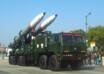
New Delhi; December 2025: The Indian Air Force has, for the first time, publicly confirmed the combat deployment of its S-400 Triumf long-range air defence system, locally designated Sudarshan, following its use in an active operational scenario during Operation Sindoor on December 30, 2025. Images released by Air Force sources show an S-400 launcher in forward operational service, a move that defence planners describe as a watershed moment in India’s evolving air defence architecture and regional deterrence strategy.
The public unveiling of the S-400 Sudarshan confirms that the Indian Air Force has transitioned the system from induction to full combat readiness. The release of the first confirmed image of an Indian-operated S-400 launcher was authorised only after the system had proven itself under live operational conditions, reflecting a deliberate decision to demonstrate capability through performance rather than announcement. Senior Indian defence officials told Army Recognition that the disclosure was intended to reinforce deterrence while maintaining operational discretion.
The S-400 batteries in Indian service are part of a multi-year delivery program from Russia, conducted under a bilateral contract signed in 2018. Despite global political pressures and disruptions to international defence supply chains, deliveries have continued, enabling the Indian Air Force to field multiple regiments across key strategic sectors. The program highlights the enduring military-technical cooperation between New Delhi and Moscow, particularly in the field of strategic air and missile defence, where Russia remains a critical supplier of high-end systems tailored to India’s operational requirements.
During Operation Sindoor, Sudarshan reportedly played a central role in denying hostile airspace access and neutralising high-value aerial assets. According to Indian Air Force battle assessments, the system successfully engaged and destroyed 06 enemy aircraft, including electronic warfare platforms tasked with suppressing Indian air defences. One engagement, conducted at an estimated distance of 315 kilometres, is described by Indian officials as a world record for the destruction of an enemy electronic warfare aircraft by a ground-based air defence system, underscoring the exceptional reach and precision of the platform.
Technically, the S-400 Sudarshan represents a major leap in India’s air defence architecture. The system combines powerful multi-band surveillance and engagement radars capable of detecting targets at ranges exceeding 500 kilometres and tracking hundreds of airborne objects simultaneously. Each battery can employ multiple missile types from the same launcher, allowing engagement of targets ranging from low-flying unmanned aerial vehicles and cruise missiles to high-altitude aircraft and ballistic missile-class threats. This layered missile concept enables Indian operators to optimise engagements based on range, altitude, and threat profile in real time.
The system is fully integrated into India’s Integrated Air Command and Control System, enabling it to function not only as a shooter but as a critical sensor and command node. During Operation Sindoor, Indian Air Force officers involved in the mission indicated that Sudarshan batteries provided early warning and targeting data to fighter aircraft and other air defence assets, creating a coordinated and resilient engagement environment far beyond the missile’s own firing envelope.
Pakistani Air Force units reportedly made multiple attempts to locate and destroy the S-400 batteries using stand-off weapons and electronic attack measures. Indian officials state that all such attempts failed, with the system’s high mobility, rapid redeployment capability, and controlled emission procedures playing a decisive role in survivability. Despite public claims from Islamabad alleging successful strikes against Indian air defence assets, no credible imagery or verifiable technical evidence has been produced to support those assertions.
The combat debut of Sudarshan marks a significant shift in South Asia’s air power balance. The demonstrated ability to detect, track, and engage high-value targets at extreme ranges substantially increases the cost and risk of offensive air operations against India. Combined with modern fighter aircraft and a networked command-and-control infrastructure, the S-400 has become a cornerstone of India’s layered air defence shield.
The Indian Air Force’s decision to acknowledge the S-400’s role only after combat validation reflects a broader evolution in India’s military communication posture, one that favours demonstrated operational results over declaratory signalling. With Sudarshan now confirmed as combat-proven, India has entered a new era of air defence credibility defined by battlefield performance rather than procurement announcements.
Team Maverick.



More Than a Café: How MITTI Café is Brewing Hope, Dignity and Dreams at Rashtrapati Nilayam
Hyderabad, July 2026 : Tucked away inside the serene campus of Rashtrapati Nilayam in Boll…

More Than a Café: How MITTI Café is Brewing Hope, Dignity and Dreams at Rashtrapati Nilayam
Hyderabad, July 2026 : Tucked away inside the serene campus of Rashtrapati Nilayam in …