IAF Medium Transport Aircraft Project Moves Ahead as Three Global Firms Compete for ₹80-Aircraft Deal

July 2026 : The Indian Air Force’s ambitious Medium Transport Aircraft (MTA) project has entered a decisive phase after the completion of a technical evaluation of bids submitted by three global aerospace manufacturers. The project aims to procure 80 military transport aircraft to replace the ageing fleet of Soviet-origin AN-32 transport planes, which have been the backbone of India’s tactical airlift operations for decades.
The development marks a major step in India’s efforts to modernise its transport aviation capabilities and enhance its ability to move troops, equipment and supplies across challenging terrains. The move has gained urgency following the crash of an AN-32 aircraft last month, which resulted in the loss of five personnel.
Following the technical assessment, the Ministry of Defence is preparing to issue a formal Request for Proposal (RFP) to the shortlisted contenders. The RFP will seek commercial bids, pricing details and comprehensive information regarding the technology transfer packages offered by the competing manufacturers.
Once the RFP process is completed, the procurement will move through several stages, including aircraft trials, commercial negotiations and final contract discussions before the agreement is signed. A key focus of the project is the transfer of technology and domestic manufacturing, aligning with India’s Make in India initiative and efforts to build a stronger aerospace ecosystem.
Three leading international aircraft manufacturers are currently competing for the contract.
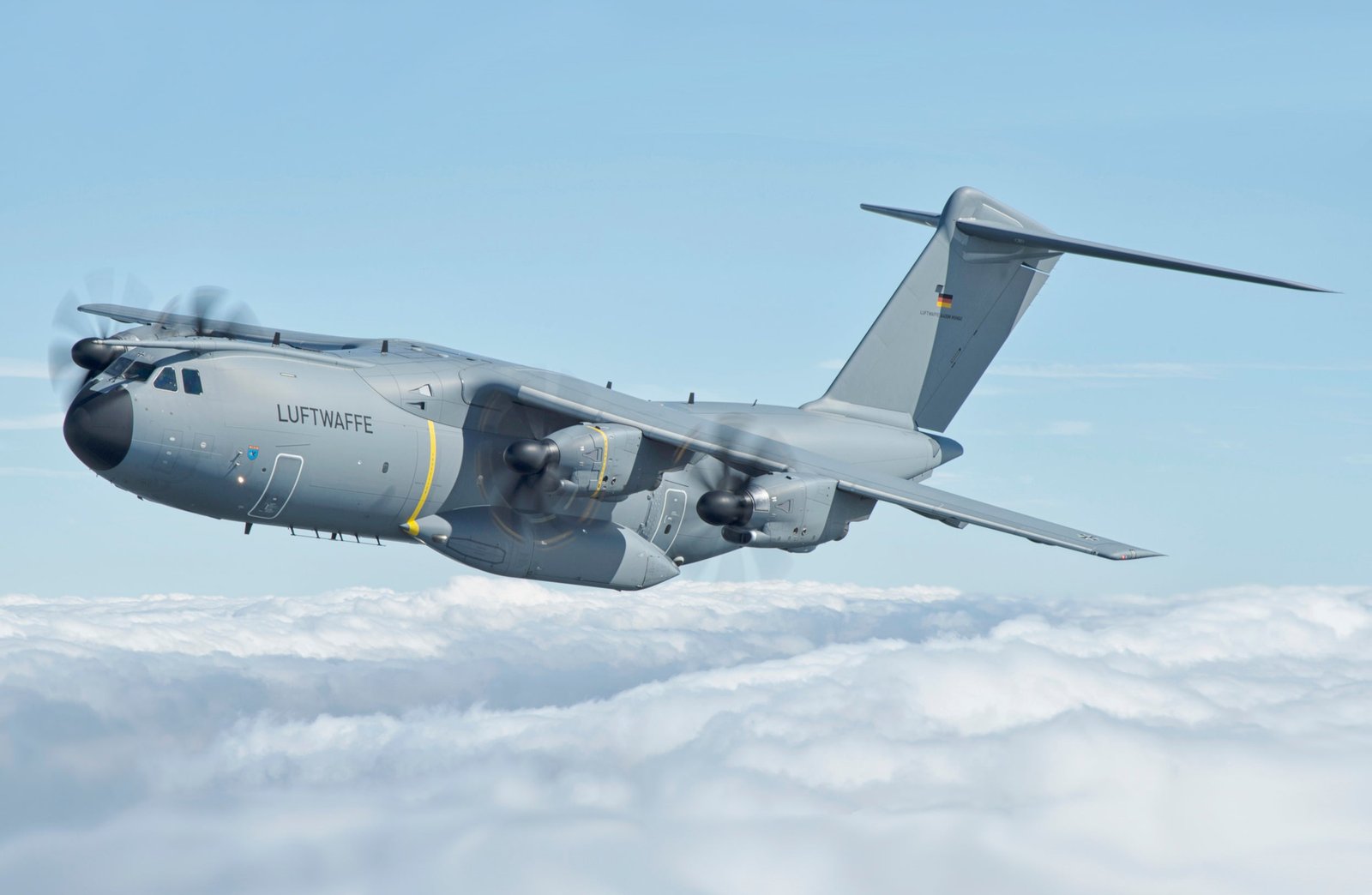
Airbus has offered its A400M transport aircraft, a platform known for combining tactical and strategic airlift capabilities. The European aerospace major already has an established partnership with Tata for manufacturing the C-295 transport aircraft in India.
Lockheed Martin has entered the competition with its C-130J Super Hercules, a platform already operated by the Indian Air Force. The company also has an existing industrial partnership with Tata and operates manufacturing facilities in India.
Brazilian aerospace company Embraer has proposed the C-390 Millennium, a modern jet-powered transport aircraft. The company has partnered with Mahindra Defence Systems to explore establishing a local production facility for the aircraft.
Each contender brings different advantages. Airbus offers a larger aircraft with strategic mobility capabilities, Lockheed Martin brings operational experience from its existing C-130J fleet in India, while Embraer’s C-390 offers higher speed and modern jet-powered performance.
The operational requirements for the MTA have been shaped by India’s recent military experiences, particularly the high-altitude deployments along the northern borders in 2020. The IAF is seeking a versatile, all-weather transport aircraft that can fill the capability gap between lighter aircraft such as the C-295, which carries around 9–12 tonnes, and heavy-lift platforms like the C-17 Globemaster III, which can transport nearly 70 tonnes.
The new aircraft is expected to carry payloads in the 18–30 tonne category, including light armoured vehicles such as the indigenous 25-tonne Zorawar tank, artillery systems including the M777 ultra-light howitzer, BrahMos missile containers and Akash air-defence systems.
The aircraft will also be required to operate in difficult environments, including remote areas of Ladakh and Arunachal Pradesh. The ability to land and take off from short, semi-prepared airstrips will be a critical operational requirement.
Advanced navigation systems, particularly for night operations, will also be essential to support troop movement, rapid deployment and specialised missions in challenging conditions.
Under the proposed acquisition model, 12 aircraft will be imported in flyaway condition, while the remaining 68 aircraft will be manufactured and assembled in India through partnerships between foreign vendors and domestic companies.
The indigenous content of the aircraft is expected to gradually rise beyond 50 per cent, covering areas such as structural components, wiring systems, avionics racks, sheet-metal assemblies and software integration. This approach is aimed at reducing dependence on foreign suppliers and developing long-term manufacturing capabilities within India.
Another important requirement is an open-architecture design, allowing seamless integration of Indian-developed software, communication systems, tactical data links and mission computers without requiring foreign manufacturer approval for every future upgrade.
The selected manufacturer will also be required to establish a comprehensive maintenance, repair and overhaul (MRO) facility in India, including engine servicing capabilities, ensuring long-term operational support for the fleet.
The MTA programme is therefore more than a replacement exercise for ageing aircraft. It represents a strategic effort to combine global aerospace expertise with Indian manufacturing capabilities, strengthen defence self-reliance and ensure rapid mobility for the armed forces.
With growing security challenges along its borders, India aims to build a modern transport fleet capable of supporting military operations across diverse terrains while strengthening its position as an emerging aerospace manufacturing hub.
(The content of this article is sourced from a news agency and has not been edited by the Mavericknews30 team.)




Netanyahu Meets Trump at White House for Eighth Bilateral Talks Amid Regional Tensions
Jerusalem/Washington, July 2026 : Israeli Prime Minister Benjamin Netanyahu arrived at the…

Netanyahu Meets Trump at White House for Eighth Bilateral Talks Amid Regional Tensions
Jerusalem/Washington, July 2026 : Israeli Prime Minister Benjamin Netanyahu arrived at the White House …