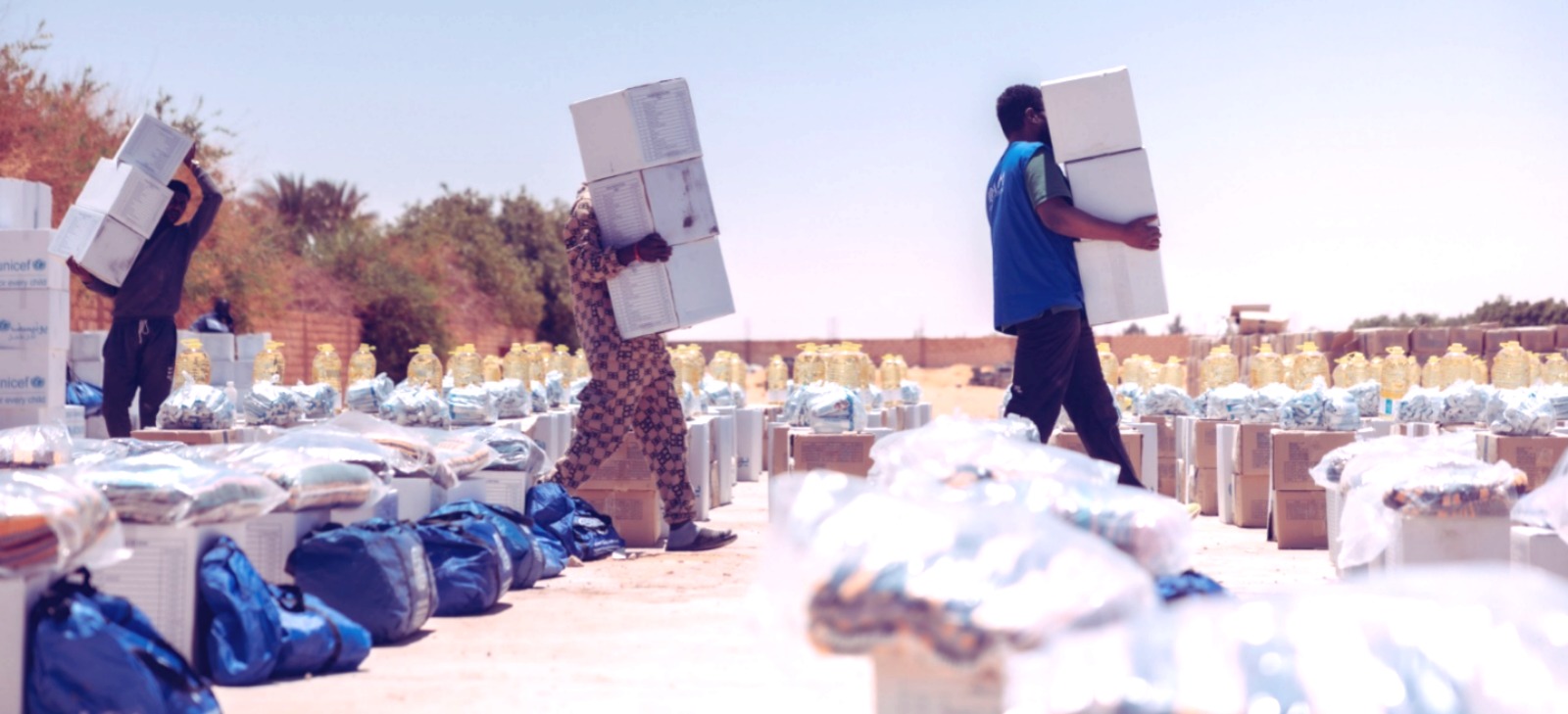
IOM Unveils 2026 Plans To Reach 22 Million In Crisis Across 32 Countries.

Geneva; January 2026: The International Organization for Migration (IOM) has released its 2026 Crisis Response Plans, a set of 32 prioritised country and regional plans outlining how the Organisation will respond to the world’s most urgent humanitarian crises, detailing our evidence-based, people-centered response.
At a time when global humanitarian needs continue to rise, these plans aim to reach 22.7 million people, mainly migrants, internally displaced persons, and host communities, with life-saving assistance and resilience-building interventions. Delivering this response will require $2.5 billion, reflecting the scale of human need and is integral to our Global Appeal 2026.
For 2026, we have had to prioritise, focusing on the most urgent needs and engaging where we can make the most difference, in partnership with communities, governments, and a wide range of other actors. While the USD 2.5 billion funding requirement is a reduction compared to previous years. It does not reflect a reduction in needs, rather, it ensures that limited resources are directed to where needs and impacts are greatest focusing on the most severe crises, the most vulnerable populations, and the interventions most likely to save lives and stabilize communities, while maintaining flexibility to scale up as funding becomes available.
The scale of the challenge is stark. As we recently reported, in Sudan nearly one in three people has been displaced, either internally or across borders, since the outbreak of the conflict. In 2026, IOM seeks USD170 million to assist 1.3 million people affected by this war, working with partners to address the most urgent humanitarian needs, while strengthening resilience among displaced and returning populations. We are prioritising support to local actors and institutions, investing in their capacity to deliver quality assistance for a more sustainable, locally-led response.
Across all 32 plans, the underlying equation is clear; millions of lives depend on timely, predictable funding. The 2026 Crisis Response Plans translate global needs into actionable priorities, demonstrating how every dollar invested contributes directly to reaching people in crisis, providing safety, dignity, and pathways to recovery.
IOM calls on partners, donors, and the international community to engage with these plans and support a response that is proportionate to the scale of need, grounded in evidence, and centered on people whose lives have been upended by crisis and displacement. In crisis contexts, human mobility is inextricably linked to instability and fragility. IOM is committed to addressing the mobility dimensions of crisis, including unprecedented levels of displacement, to deliver on the promise of migration, while supporting the world’s most vulnerable.
According to the Global Humanitarian Overview (GHO), in 2026, 239 million people around the world require urgent humanitarian assistance and protection, as crises wreak havoc on the lives of millions.
While conflict and disasters often trigger crisis and displacement, the underlying drivers of risk and fragility, including climate change, instability, poverty and exploitation must also be addressed to reduce forced and risky mobility.
Grounded in IOM’s comparative advantages, Crisis Response Plans reflect IOM’s strategic direction and funding priorities, directing scarce resources to where needs are most urgent and impact is greatest. These plans elaborate on IOM’s 2026 Global Appeal.
IOM’s 2026 Global Appeal –
The International Organization for Migration (IOM) has launched its 2026 Global Appeal, requesting USD 4.7 billion to assist 41 million people on the move and to reinforce the systems that make migration safe, orderly, and regular. The Appeal highlights a simple yet urgent reality: people move in search of protection, opportunity and stability, and these needs require sustained, principled support.
“Every day, people leave their homes in search of stability or better opportunities”, said IOM Director General Amy Pope. “Through this Appeal, we are building on a collective vision, one where humanitarian support reaches people before crises escalate, where safer pathways replace dangerous journeys, and where communities are strengthened rather than stretched. These investments do more than address today’s challenges; they help shape a more stable, humane, and hopeful future for us all”
Migration is unfolding in a world facing increasing and intersecting crises. One in four people live in fragile settings marked by instability, conflict or disaster. By the end of 2024, 83.4 million people were internally displaced due to conflict, violence, and disasters, while new emergencies continued to push communities beyond their coping capacity. In this context, voluntary, safe and dignified return and sustainable reintegration play an essential role in strengthening stability and supporting long-term development, providing governments with solutions that uphold rights while investing in resilient communities.
Climate shocks are intensifying these pressures. In 2024, disasters displaced 9.8 million people, representing a 27% increase from 2023. Global economic losses reached USD 242 billion. Irregular migration also continued to carry severe risks, with more than 5,500 deaths and disappearances recorded in 2025.
At the same time, migration is also driving resilience, innovation, and opportunity. More than 304 million people are international migrants, including 168 million workers whose skills sustain essential sectors and support communities worldwide. Migrants bolster economies, staff hospitals, support agriculture, and run small businesses. Remittances reached USD 905 billion in 2024, demonstrating how safe and dignified migration strengthens development and stability.
In a context where needs are rising and resources are stretched, IOM’s Appeal calls for sharper prioritization, flexible funding and more efficient systems to meet urgent needs while supporting long-term solutions. The Appeal is aligned with the Organisation’s three strategic pillars:
- saving lives and protecting people on the move,
- driving solutions to displacement,
- facilitating pathways for regular migration.
IOM is seeking USD 1.5 billion to protect people on the move to ensure displaced families have access to shelter, clean water, medical care, protection and other essential services. This includes mobile health assistance in conflict-affected areas, temporary shelter after extreme weather events, and strengthened humanitarian supply chains, so aid reaches people quickly and safely.
To advance durable solutions, IOM is requesting USD 1.5 billion to reduce risks, bolster community resilience and support governments in transitioning from crisis response to recovery. This work includes restoring livelihoods, helping local authorities plan safer settlements, using data and innovation to anticipate risks, and supporting national systems to withstand future shocks.
Approximately USD 1.3 billion will support safe and regular migration pathways, helping governments strengthen labour mobility, uphold migrants’ rights, and improve systems that generate shared benefits for societies and economies. This includes cooperation on voluntary, safe and dignified return, readmission and sustainable reintegration, as well as advancing a route-based approach to support governments in responding to complex movements with coherent, data-informed solutions.
With this Appeal, IOM urges governments, donors and partners to act with renewed commitment. The Organisation calls on the international community to invest in stability, safety and dignity for people on the move and for the communities that receive them, ensuring that migration becomes a driver of sustainable progress for all.
Team Maverick.



US-Led Israel-Lebanon Peace Talks to Resume in Rome from August 4
Washington, July 2026 : The United States will host the next round of negotiations between…

US-Led Israel-Lebanon Peace Talks to Resume in Rome from August 4
Washington, July 2026 : The United States will host the next round of negotiations …