Rajasthan Cabinet Approves Key Bills and Policies to Boost Security, Industry, and Education

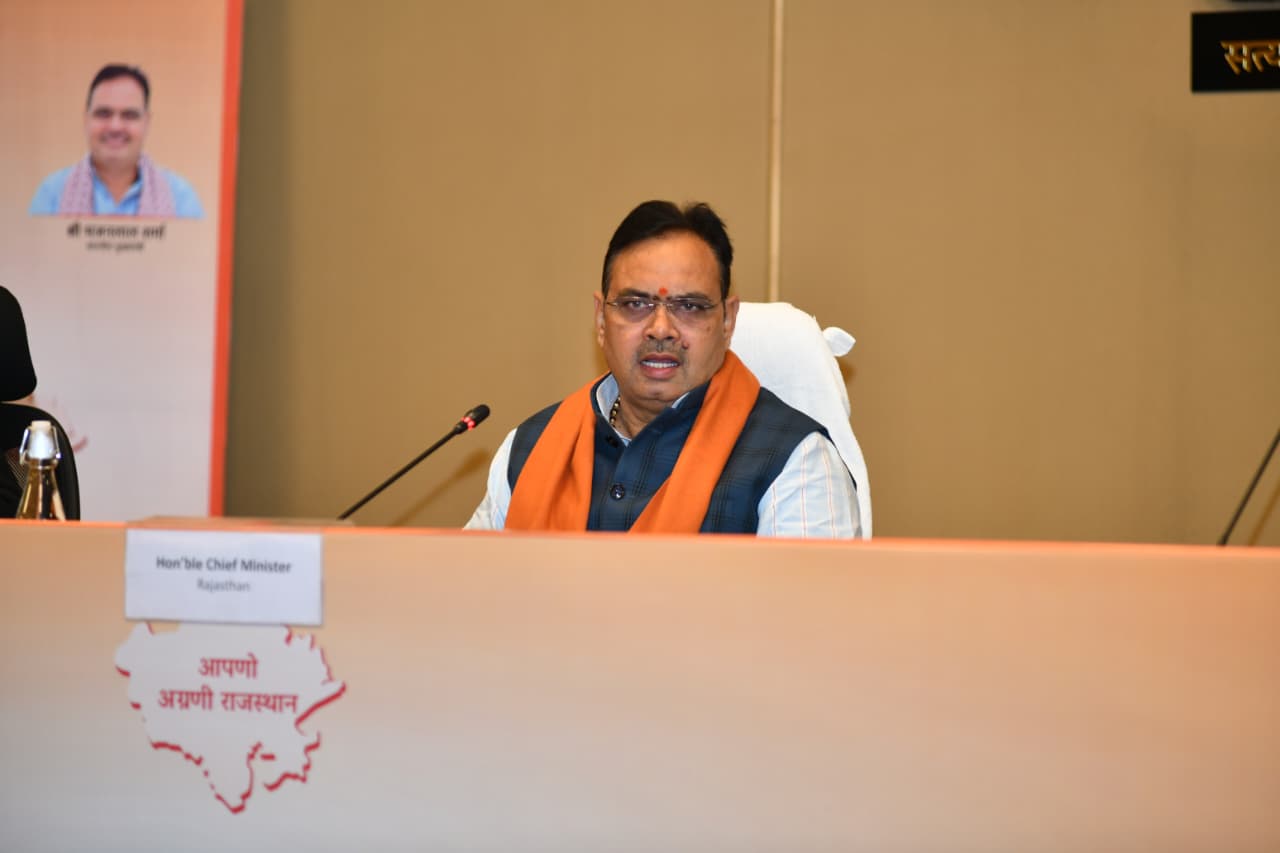
Jaipur, Jan 2026: The Rajasthan Cabinet, chaired by Chief Minister Bhajanlal Sharma, on Wednesday approved several major decisions, including protection of permanent residents’ properties in disturbed areas, promotion of indigenous semiconductor production, and incentives for aerospace, defence, and semiconductor industries.
Protection of Residents’ Properties in Disturbed Areas
The Cabinet approved the draft of “The Rajasthan Prohibition of Transfer of Immovable Property and Provision for Protection of Tenants from Eviction from Premises in Disturbed Areas Bill, 2026”. The bill prevents permanent residents from being forced to sell property at low rates in disturbed areas and requires prior approval from competent authorities for any property transfer. Violations will attract non-bailable, cognizable punishment with imprisonment of 3–5 years and fines. This legislation aims to preserve community harmony and social structure in sensitive regions and will be introduced in the upcoming Assembly session.
Rajasthan Aerospace and Defence Policy
The Cabinet approved the Rajasthan Aerospace & Defence Policy to make the state a key hub for defence and space manufacturing. It incentivizes MSMEs, startups, precision engineering units, and service companies. Projects are categorized by investment: Large (₹50–300 crore), Mega (₹300–1,000 crore), Ultra Mega (>₹1,000 crore). Incentives include 75% reimbursement of state taxes for 7 years, capital grants, turnover-linked incentives, employment boosters, sunrise/anchor/thrust boosters, flexible land payments, office space subsidies, electricity exemptions, and relief on stamp and conversion charges.
Rajasthan Semiconductor Policy 2025
The first semiconductor policy of Rajasthan aims to make the state a national hub for semiconductor manufacturing, design, packaging, and related electronics. The policy promotes indigenous production, high-tech employment, R&D, technology transfer, skill development, and green manufacturing through renewable energy and recycling initiatives. Incentives include 100% electricity fee exemption for 7 years, 75% stamp/conversion fee rebate, capital grants, and interest subsidies on term loans.
RPSC Promotions and Civil Service Rules Amendment
The Cabinet approved changes in RPSC promotion ratios, with Assistant Secretaries now promoted to Deputy Secretary at a 10:1 ratio, and amendments to the Rajasthan Civil Service (Conduct) Rules, 1971, aligning the definition of minors with the Prohibition of Child Marriage Act, 2006, for disciplinary action against participating government employees.
Gram Utthan Camps and Education Initiatives
The Cabinet discussed the Global Rajasthan Agritech Meet, Gram-2026, and approved Gram Utthan camps from Jan 23 to Feb 9 across 2,839 locations, covering 12 departments to provide welfare schemes to farmers and livestock owners.
Energy and School Initiatives
Conditional land allocation was approved for solar energy projects in Bikaner and Jaisalmer, enhancing renewable energy capacity. Additionally, on Vasant Panchami (Jan 23), a Mega PTM across all state schools will engage 65 lakh parents, surpassing the previous record of 41 lakh. Nipun Melas for grades 1–5 will also be conducted, focusing on literacy, numeracy, and skill development under the Nipun Bharat Mission.
These decisions aim to strengthen security, promote high-tech industries, improve renewable energy, and enhance education and community welfare in Rajasthan.


PMO Officials Congratulate Modi on Becoming India’s Longest-Serving Elected Prime Minister
New Delhi, June 2026 : Officials of the Prime Minister’s Office (PMO) on Wednesday congrat…
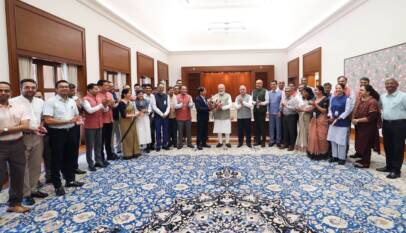
PMO Officials Congratulate Modi on Becoming India’s Longest-Serving Elected Prime Minister
New Delhi, June 2026 : Officials of the Prime Minister’s Office (PMO) on Wednesday …