
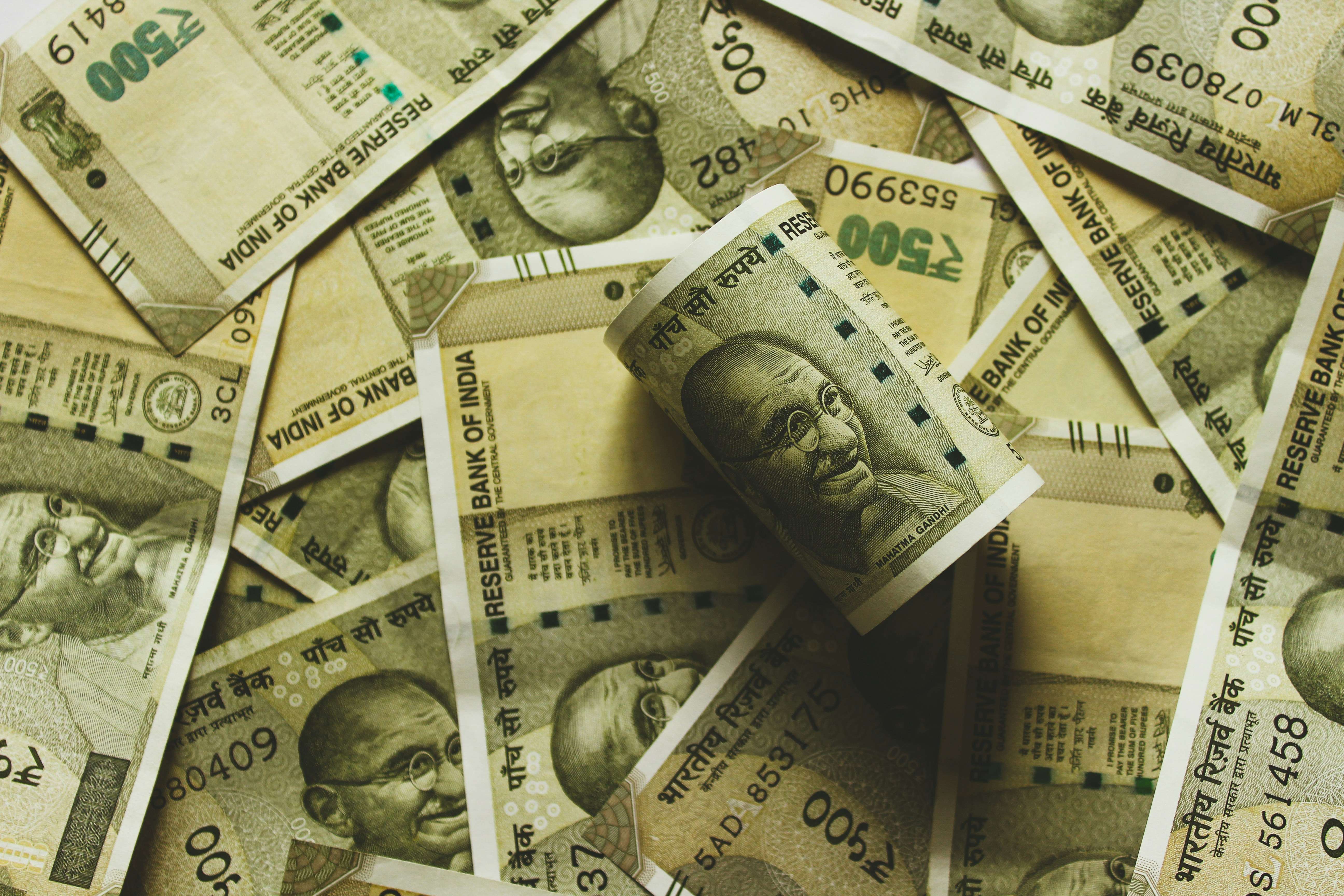
New Delhi, Aug 2026 : Indian security agencies have detected a reported shift in the strategy of counterfeit currency networks operating in the country, with the circulation of fake high-value notes declining and syndicates increasingly focusing on lower denominations such as Rs 10, Rs 20 and Rs 50.
Criminal networks involved in counterfeit currency have operated in India for years, with security agencies having previously linked such activities to organised crime syndicates, including the network associated with fugitive underworld figure Dawood Ibrahim. Agencies have also alleged that Pakistan’s Inter-Services Intelligence (ISI) has supported counterfeit currency operations as part of broader efforts to undermine India’s financial stability.
According to intelligence inputs cited by officials, the circulation of counterfeit Rs 500 notes has declined significantly compared with earlier years. Investigators believe the change reflects an attempt by counterfeiters to adopt a less conspicuous method of introducing fake currency into the financial system.
In the past, counterfeit networks reportedly concentrated heavily on Rs 200 and Rs 500 notes because of their higher face value. Security agencies now believe the focus is moving towards smaller denominations, which can potentially be circulated in larger quantities through routine cash transactions.
An Intelligence Bureau official said intelligence inputs indicate that Pakistan-based elements may be seeking to increase the circulation of counterfeit lower-denomination currency. The official said the strategy takes advantage of the fact that people generally exercise greater caution while handling high-value notes.
“People are extremely cautious about notes above Rs 100 denomination and will conduct a detailed check before accepting them. However, that is not the case when it comes to smaller denomination notes,” the official said.
According to officials, consumers typically have fewer opportunities or less incentive to scrutinise Rs 10, Rs 20 and Rs 50 notes during everyday transactions. Counterfeiters are therefore believed to be attempting to exploit this behaviour by distributing smaller-value fake notes in greater numbers.
Security agencies have identified the period leading up to the proposed introduction of polymer currency notes as particularly significant. Officials believe counterfeit networks could attempt to increase the circulation of existing paper notes before stronger security features are introduced.
The Reserve Bank of India has indicated plans for polymer banknotes in the Rs 10 and Rs 20 denominations, with the proposed rollout expected in 2028. Polymer currency is primarily intended to provide greater durability, with such notes expected to have a considerably longer lifespan than conventional paper currency.
The introduction of polymer notes is also expected to strengthen protection against counterfeiting. The polymer substrate can incorporate advanced security features, including transparent elements and specialised optical and metallic features, potentially making reproduction considerably more difficult.
Officials believe counterfeit networks could consequently redirect their attention towards denominations that continue to use conventional paper substrates. The agencies have warned that counterfeiters may increasingly target Rs 50 and Rs 100 notes as the security architecture of higher-priority denominations is strengthened.
The alleged counterfeit currency network remains a concern for Indian enforcement and intelligence agencies because fake notes can serve multiple purposes beyond direct financial fraud. Investigators have previously examined their potential links with organised crime, illegal financing and attempts to disrupt confidence in the country's currency system.
Security agencies have therefore been monitoring changes in counterfeit currency seizures and circulation patterns to identify emerging methods used by criminal networks. A shift towards lower denominations can make detection more challenging because individual notes carry relatively little monetary value and may move through ordinary retail transactions.
The Reserve Bank of India has repeatedly advised members of the public to remain alert while handling banknotes and familiarise themselves with their security features. Officials emphasise that lower-denomination notes should not be ignored simply because their individual value is small.
With counterfeit networks reportedly adapting their methods, agencies are expected to strengthen surveillance of currency-related crimes, financial channels and organised networks involved in the production and distribution of fake notes.
The coming period could therefore prove important for enforcement agencies as they attempt to prevent a possible increase in counterfeit lower-denomination currency ahead of the introduction of more advanced polymer banknotes. Authorities are also likely to focus on public awareness, improved detection mechanisms and coordination among financial and security agencies to contain the threat.
(The content of this article is sourced from a news agency and has not been edited by the Mavericknews30 team.)