April 2026: India’s appeal as a travel destination extends far beyond its famous monuments, bustling metropolitan centres and popular hill stations. Across the country are lesser-known destinations where mountains remain pristine, traditional communities continue to preserve their distinctive cultures and travellers can experience a slower, more intimate way of life.
As more travellers look beyond conventional itineraries, offbeat destinations are emerging as attractive alternatives to crowded tourist hubs. These places offer more than scenic landscapes. They provide opportunities to connect with nature, experience local traditions and discover a side of India that often remains away from the mainstream tourism spotlight.
The Growing Appeal of Offbeat Travel
Travel habits have changed significantly in recent years. For many travellers, visiting a destination is no longer simply about collecting photographs or checking famous attractions off a list. There is a growing preference for authentic experiences, peaceful surroundings and meaningful engagement with local communities.
This has helped transform offbeat travel from a niche interest into a broader tourism movement.
Remote valleys, tribal villages, forest trails and mountain communities allow visitors to temporarily disconnect from the pace of urban life. At the same time, responsible tourism has become increasingly important. Choosing less crowded destinations can help distribute tourism income to local communities and encourage greater appreciation for fragile ecosystems.
The attraction of these places lies in their simplicity. There are fewer commercial attractions, smaller crowds and greater opportunities to experience landscapes and cultures on their own terms.
Tirthan Valley: A Quiet Himalayan Escape
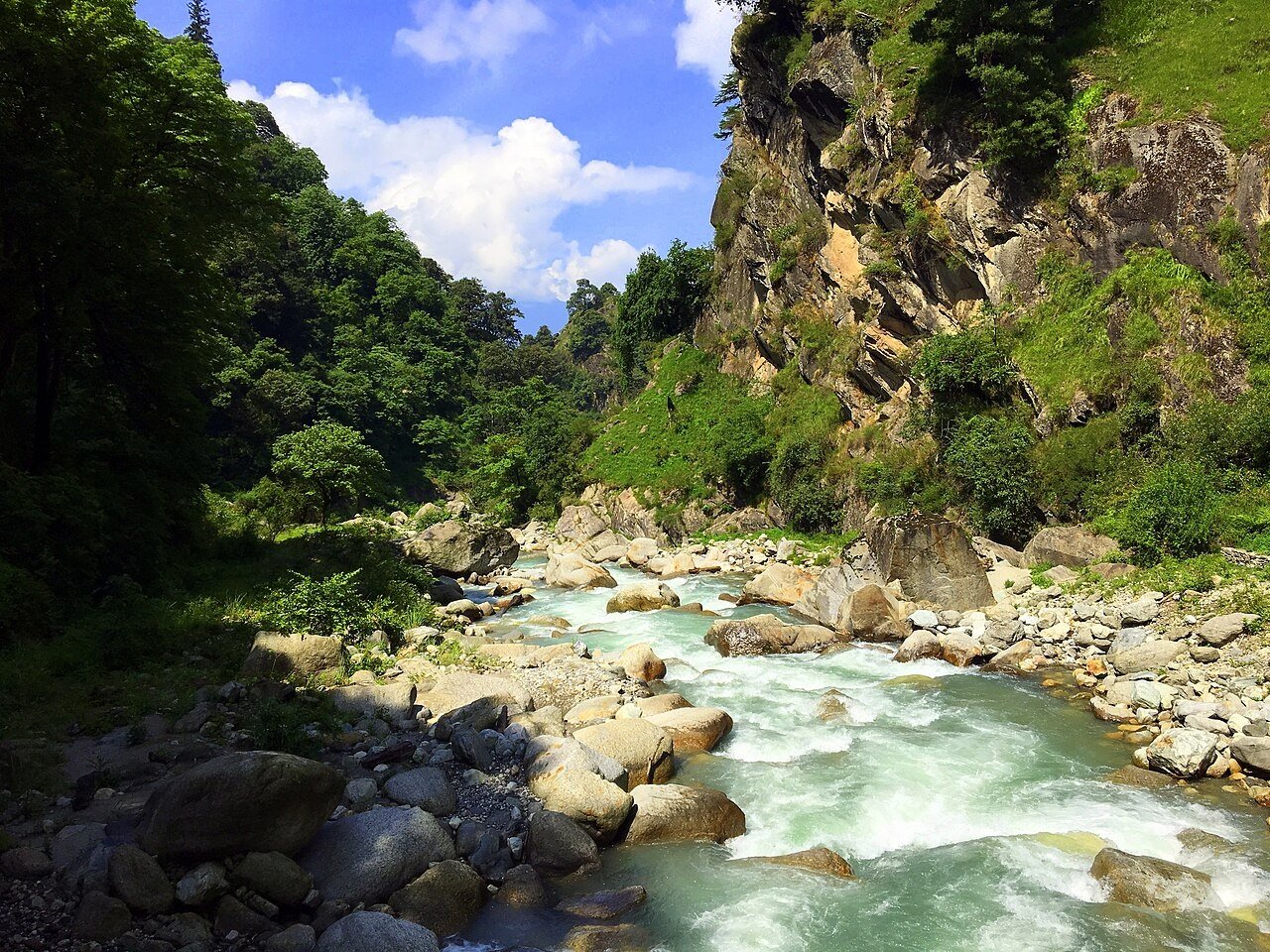
Located in Himachal Pradesh, Tirthan Valley is an ideal destination for travellers looking for tranquillity. Surrounded by forests, mountain streams and traditional villages, the valley offers a peaceful alternative to Himachal’s more crowded tourist centres.
Tirthan is also an important gateway to the Great Himalayan National Park, a UNESCO World Heritage Site renowned for its biodiversity and trekking routes. Visitors can explore forest trails, alpine landscapes and remote settlements while enjoying the region’s natural beauty.
Village homestays add another dimension to the experience. Travellers can enjoy locally prepared food, interact with residents and gain insight into mountain life.
For those seeking solitude, Tirthan offers something increasingly rare: silence.
Spiti Valley: Where Mountains Meet the Desert
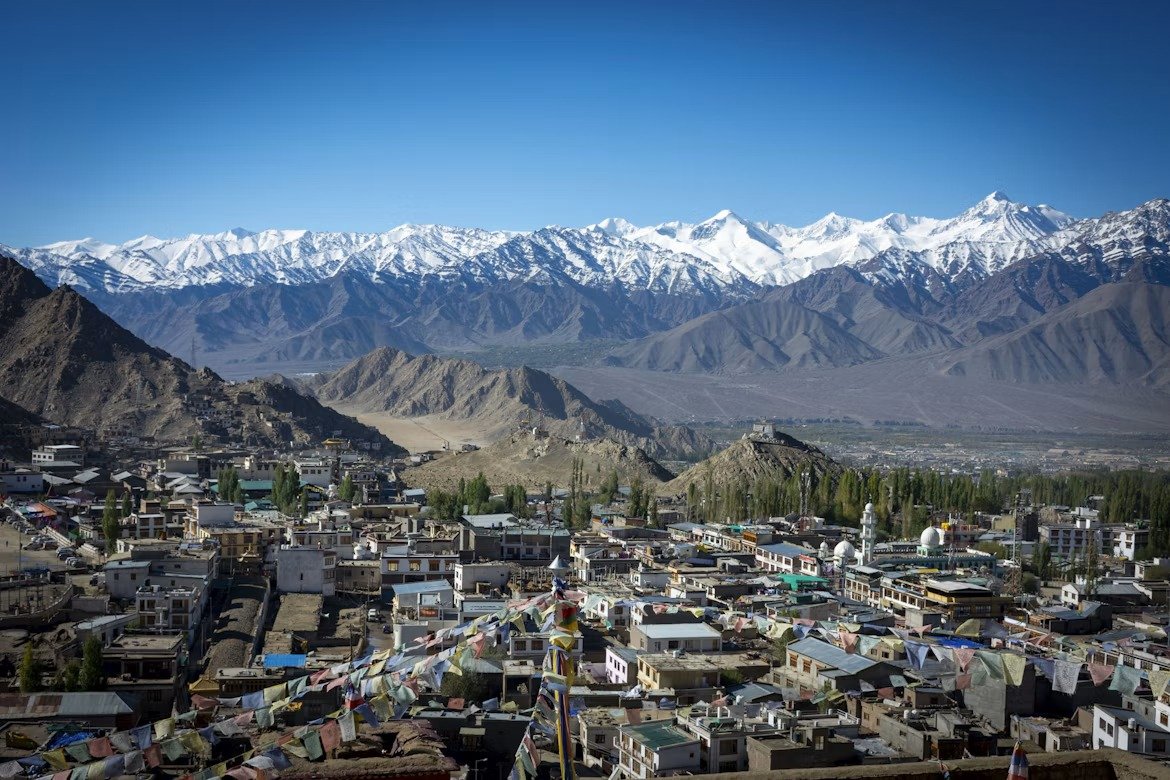
Spiti Valley in Himachal Pradesh presents a dramatically different Himalayan landscape. Often described as a cold desert mountain region, Spiti is characterised by barren slopes, towering peaks, high-altitude villages and centuries-old Buddhist monasteries.
The journey to Spiti is itself an adventure, with winding mountain roads, high passes and expansive views.
Key Monastery and Tabo Monastery are among the region’s best-known cultural landmarks, while destinations such as Chandratal Lake attract trekkers and photographers.
Spiti combines adventure with spirituality, offering travellers an opportunity to experience both the physical challenges and cultural richness of a remote Himalayan landscape.
Chopta: Meadows Beneath the Himalayas
Uttarakhand’s Chopta is frequently described as the “Mini Switzerland of India” because of its lush meadows, dense forests and spectacular mountain views.
It serves as the starting point for the popular Chopta-Tungnath trek, which leads to Tungnath, one of the highest Shiva temples in the world. The trek is accessible to a wide range of visitors, although weather and altitude conditions should always be taken into account.
During winter, Chopta becomes a snow-covered landscape, while spring and autumn provide clearer views of Himalayan peaks, including Nanda Devi and Trishul.
Its combination of simplicity, accessibility and dramatic scenery makes Chopta an attractive destination for nature lovers.
Mawlynnong: Sustainability as a Way of Life
In Meghalaya, Mawlynnong has gained recognition for its cleanliness and community-led environmental practices. The village, inhabited predominantly by members of the Khasi community, demonstrates how local participation can contribute to sustainable tourism.
Clean pathways, bamboo waste bins and carefully maintained surroundings are among its defining features.
The nearby Living Root Bridges provide another glimpse into the region’s distinctive relationship with nature. Visitors can also experience local food, traditions and village life.
Mawlynnong demonstrates that environmental responsibility can become part of everyday culture rather than simply a tourism campaign.
Ziro Valley: Where Culture and Landscape Meet
Ziro Valley in Arunachal Pradesh offers a combination of natural beauty and indigenous heritage. The valley is home to the Apatani community, whose distinctive traditions and agricultural practices form an important part of its identity.
The community’s rice-fish cultivation system is particularly notable, while traditional homes and expansive green fields add to the valley’s visual appeal.
The Ziro Festival of Music has also brought international attention to the region, attracting musicians and travellers while showcasing the valley’s cultural atmosphere.
Ziro’s charm lies in its understated character—a destination where culture and landscape complement one another.
Gurez Valley: Kashmir Beyond the Familiar
For travellers looking for a quieter side of Kashmir, Gurez Valley offers spectacular mountain scenery and a relatively remote experience.
Located amid snow-covered peaks, wooden homes and the Kishanganga River, Gurez provides opportunities for photography, trekking and cultural exploration.
The valley’s natural environment and traditional character make it particularly appealing to visitors seeking an alternative to Kashmir’s better-known tourist destinations.
When to Visit
Choosing the right season is essential when travelling to remote destinations.
Tirthan Valley: April to October generally offers favourable conditions for exploring the valley.
Spiti Valley: Summer is generally more accessible, while winter attracts travellers looking specifically for snow and extreme mountain conditions.
Chopta: March to May and September to November are popular periods for trekking and mountain views.
Mawlynnong and Northeast India: November to February can offer relatively clear conditions, although weather varies across the region.
Gurez Valley: May to September is generally preferred for accessing the valley and experiencing its green landscapes.
Travellers should always check local weather and road conditions before setting out, particularly for high-altitude and remote regions.
Experiences That Define Offbeat Travel
Offbeat tourism is as much about experiences as destinations.
Trekking and Camping
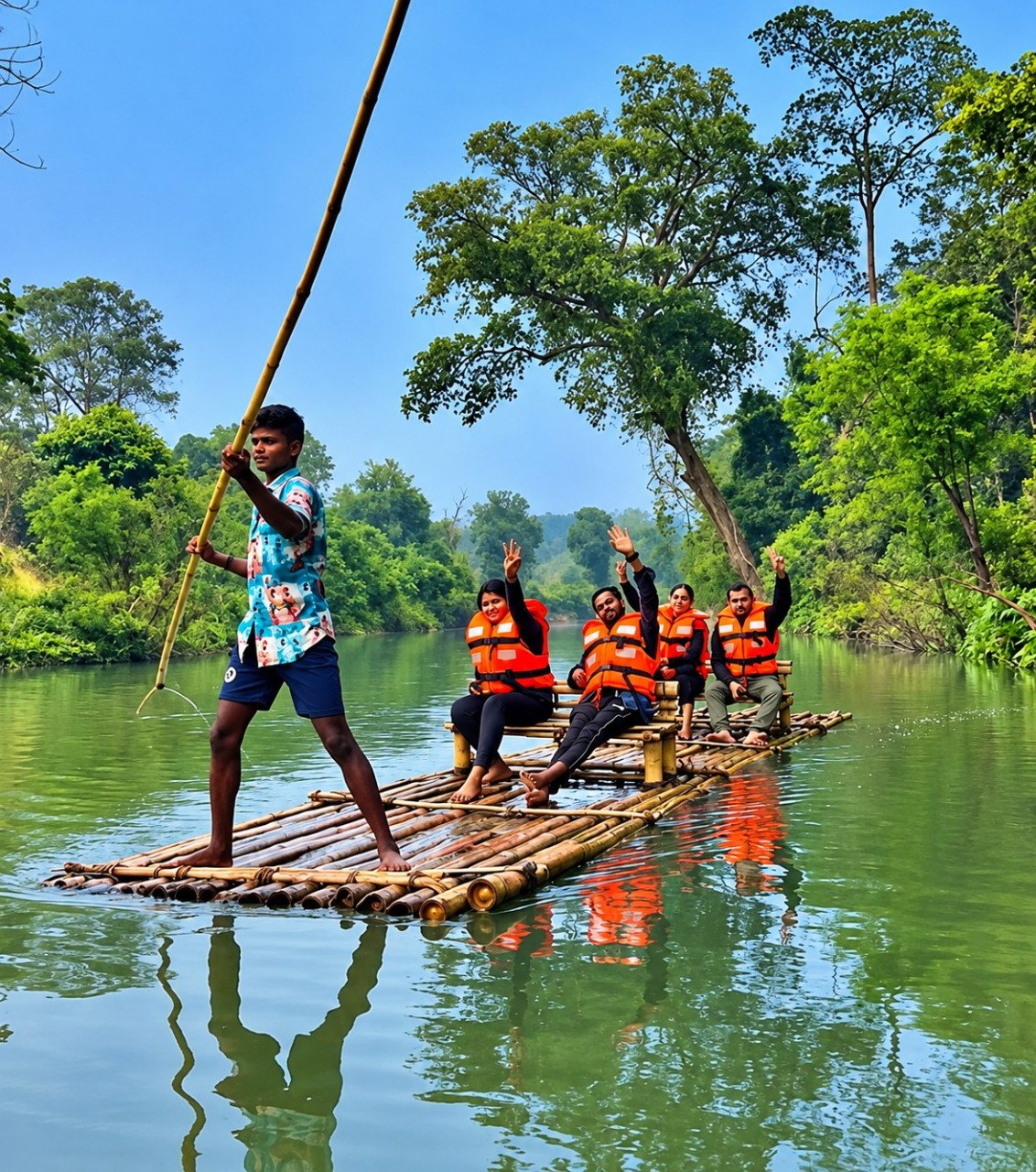
From forest trails in Tirthan to challenging mountain routes in Spiti and Uttarakhand, trekking allows travellers to experience landscapes at a slower pace. Camping beneath clear night skies can add another dimension to the journey.
Cultural Immersion
Homestays and village experiences provide opportunities to interact with local communities, sample traditional cuisine and understand everyday life beyond conventional tourist attractions.
Wildlife and Nature
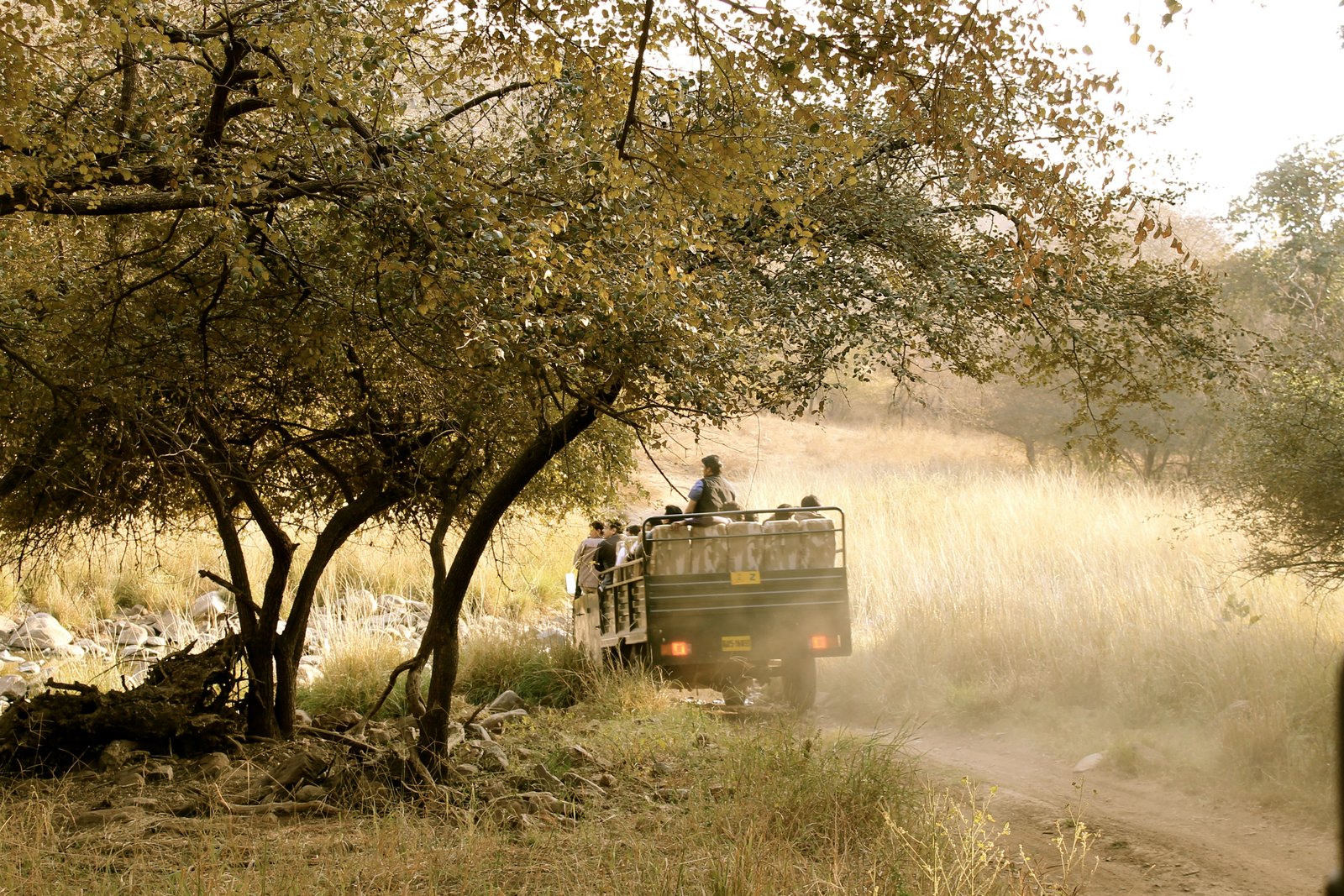
The Himalayan regions featured in this journey contain diverse ecosystems and wildlife habitats. Guided nature walks can offer travellers opportunities to understand local flora and fauna while minimising disturbance to the environment.
Festivals
Cultural festivals provide another way of experiencing the identity of a destination. Events such as the Ziro Festival demonstrate how music, art and local traditions can come together to create distinctive travel experiences.
Preparing for the Journey
Travelling to remote destinations requires greater preparation than visiting major tourist centres. Roads may be challenging, mobile connectivity can be limited and accommodation options may be fewer.
Travellers should carry suitable layered clothing, comfortable trekking footwear, essential medicines and a basic first-aid kit. Power banks, reusable water bottles and other practical supplies can also prove useful.
Responsible travel is equally important. Visitors should avoid unnecessary plastic waste, respect local customs, support local businesses and minimise their environmental footprint.
The principle is simple: leave the destination as you found it.
Why Offbeat Tourism Matters
The appeal of lesser-known destinations goes beyond avoiding crowds. Responsible tourism can help create economic opportunities for rural communities while encouraging visitors to appreciate local cultures and fragile ecosystems.
It also changes the way people experience travel. Instead of moving rapidly between attractions, travellers have more opportunities to pause, observe and engage.
India’s hidden destinations demonstrate that some of the country's most memorable experiences can be found far from its busiest tourist circuits.
The Road Less Travelled
From the rivers and forests of Tirthan Valley to the stark mountains of Spiti, the meadows of Chopta, the sustainable traditions of Mawlynnong, the cultural landscape of Ziro and the remote beauty of Gurez, India offers countless possibilities for travellers willing to venture beyond the familiar.
These destinations remind us that travel does not always have to be about speed, luxury or crowded attractions. Sometimes, the most rewarding journeys are those that allow us to slow down and connect with a place, its people and its natural surroundings.
The road less travelled may not always be the easiest one—but it can often lead to the most lasting memories.
(ADVERTORIAL DISCLAIMER: The content of this article is sourced from a news agency and has not been edited by the MaverickNews30 team.)
Disclaimer: Maverick News is not responsible for claims or statements made by external sources or individuals mentioned in this article.