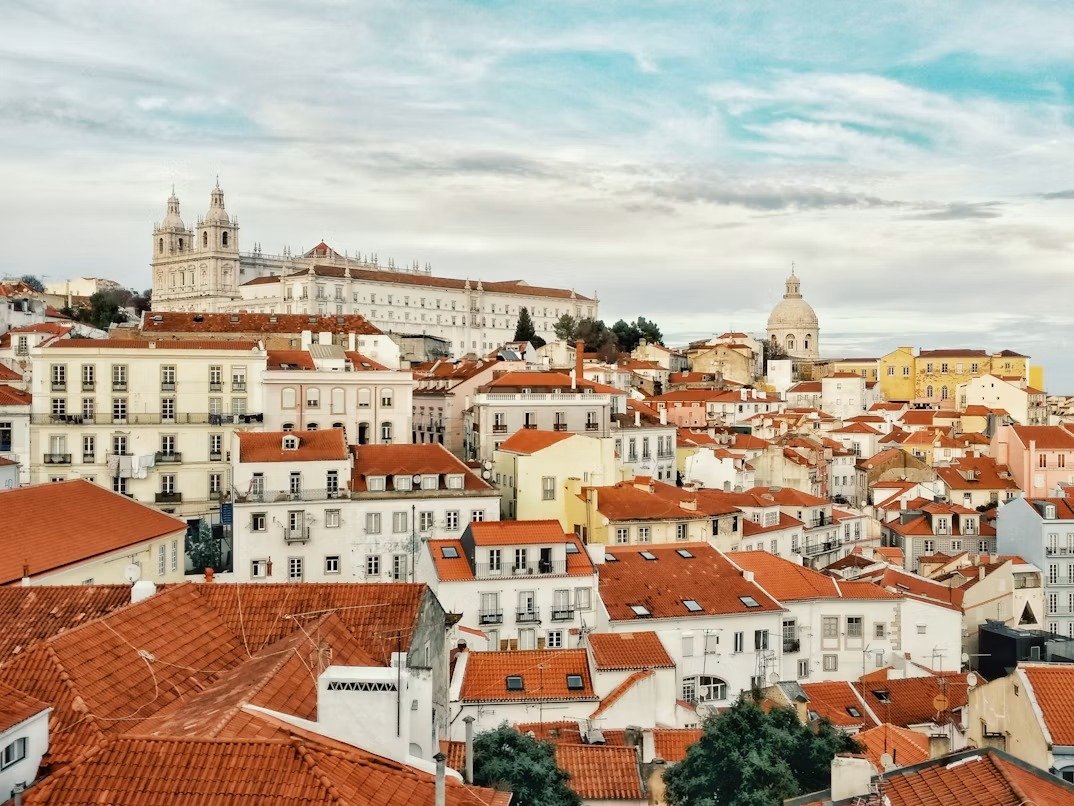
From Lisbon’s historic lanes and Porto’s riverside charm to the vineyards of the Douro, the beaches of the Algarve and the volcanic landscapes of the Azores, Portugal offers a rich blend of history, food, music, architecture and slow-paced Atlantic living.
Oct 2026 : There are countries you visit for a few photographs, and then there are countries that seem to stay with you long after you have returned home. Portugal belongs firmly to the second category.
Standing at the western edge of the Iberian Peninsula, Portugal has an unusual ability to make history feel intimate. Medieval castles rise above modern streets, tiled facades glow in the afternoon sun, fishing villages sit quietly beside dramatic Atlantic cliffs, and old trams climb Lisbon’s hills as if they have been doing so forever.
It is also a destination where travelling does not necessarily have to mean spending extravagantly. Compared with many parts of Western Europe, Portugal can offer excellent value, particularly when it comes to food, wine, local transport and accommodation outside the busiest summer months.
But Portugal is not simply a checklist of monuments. It is the experience of sitting at a pavement café as the evening begins, hearing music drift out of a small tavern, sharing grilled fish with friends, watching boats move along the Douro or standing on a cliff while the Atlantic stretches endlessly before you.
When should you visit Portugal?
Portugal works in almost every season, but spring and early autumn offer an especially attractive balance.
From March to May, the country begins to bloom. The weather is generally comfortable for walking and sightseeing, gardens become colourful and cities begin filling with outdoor activity. Spring also brings festivals and cultural celebrations, including Freedom Day and Holy Week.
September and October offer another appealing window. Summer crowds begin to thin, temperatures become more comfortable and travellers can often find better value. Lisbon, in particular, benefits from its mild climate, making it possible to explore the city without the intensity of peak summer heat.
For a first visit, the shoulder seasons are ideal if you want to combine city exploration, sightseeing and coastal travel.
A table filled with Portugal
Portugal’s food is one of the easiest ways to understand the country. Its cuisine is uncomplicated but deeply connected to its landscape and history.
Start with bacalhau, the famously versatile salted cod that appears in countless preparations. Try pastéis de nata, the small custard tarts whose crisp pastry and creamy filling have become synonymous with Portugal. In coastal towns, look for grilled sardines, octopus and fresh seafood.
Portugal’s pork dishes, hearty soups and regional cheeses also deserve attention. In Porto and the north, meals tend to be substantial and comforting, while the Algarve brings seafood and Mediterranean-style flavours to the table.
And then there is wine. Portugal’s vineyards produce everything from the celebrated Port wines of the Douro Valley to refreshing Vinho Verde in the north. A leisurely lunch accompanied by a regional wine can become one of the most memorable parts of the journey.
Eight places that belong on your Portugal itinerary
Sete Cidades, Azores:
On São Miguel Island, the Sete Cidades landscape feels almost unreal. Lakes surrounded by lush volcanic hills create one of the Azores’ most striking views.
Belém Tower, Lisbon:
Built in the early 16th century, this fortress on the Tagus is closely associated with Portugal’s Age of Discoveries. Standing beside the water, it offers a glimpse into the country’s seafaring past.
Peneda-Gerês National Park:
Portugal’s only national park is a world away from busy city streets, with mountains, forests, waterfalls and traditional villages providing a different perspective on the country.
Porto Moniz, Madeira:
The natural swimming pools formed by volcanic rock make Porto Moniz a memorable stop on Madeira, particularly on a sunny day when the Atlantic water meets the dark coastal landscape.
São Jorge Castle, Lisbon:
Perched above the city, the castle provides sweeping views over Lisbon’s rooftops and the Tagus. Walking through its historic grounds is also a reminder of the city’s layered past.
Jerónimos Monastery, Lisbon:
Its elaborate architecture reflects the wealth and ambition of Portugal during the Age of Discoveries. The monastery is among Lisbon’s essential historic landmarks.
Douro Valley:
Travelling into the Douro is like watching the landscape transform into a living painting. Terraced vineyards descend towards the river, while wineries and small villages provide opportunities to slow down and savour the region.
25 de Abril Bridge, Lisbon:
The distinctive suspension bridge has become part of Lisbon’s identity. Seen from the riverfront, it forms a dramatic backdrop to the city.
Let Lisbon tell its story
Lisbon is the natural starting point for many first-time visitors.
The city reveals itself slowly. Walk through its historic neighbourhoods, follow narrow lanes, stop for coffee and watch the famous yellow trams squeeze around corners. Then head towards the waterfront and Belém, where Portugal’s maritime history becomes tangible.
For a different perspective, take the Santa Justa Lift. The seven-storey iron structure connects the lower Baixa area with the higher parts of the city and offers memorable views across Lisbon.
As evening arrives, find a traditional tavern and listen to fado, Portugal’s haunting musical tradition. At its heart is saudade — a difficult-to-translate feeling associated with longing, nostalgia and melancholy. In a small Lisbon room, accompanied by a singer and guitar, the emotion becomes easier to understand than any dictionary definition could explain.
Porto, where the river becomes part of the city
Porto has a personality of its own.
The Ribeira district is the place to begin. Its narrow streets, colourful buildings and riverside setting create an atmosphere that feels distinctly old-world. The Douro runs through the city, connecting its historic heart to the vineyards farther upstream.
Spend time simply walking. Cross the river, pause for the view, explore the tiled churches and enjoy a meal by the waterfront. Porto rewards travellers who are willing to wander without constantly checking the clock.
Sintra feels like another world
A short journey from Lisbon takes you to Sintra, a UNESCO-listed destination surrounded by forested hills.
Colourful palaces, elaborate gardens and romantic architecture give the town an almost storybook atmosphere. The 19th-century Pena Palace is the obvious highlight, but Sintra is best experienced without rushing.
Take time to explore its lanes, small shops and gardens. The combination of misty hills and ornate architecture explains why the town has inspired writers and artists for generations.
Follow the coast
Portugal’s relationship with the Atlantic is impossible to miss.
In the Algarve, whitewashed villages, sandy beaches and fishing communities stretch along a spectacular coastline. Further west, Sagres sits at Europe’s southwestern edge. The Romans regarded the area as the sacred “end of the world”, and its cliffs still create a sense of standing at the edge of a continent.
Seeing the Algarve from the sea makes the experience even more dramatic. Boat trips along the coast reveal hidden coves, cliffs and caves, including the spectacular formations around Ponta da Piedade.
Go beyond the obvious
Portugal’s appeal becomes even stronger when you leave the major cities.
Guimarães, often called the “cradle of Portuguese nationality”, offers medieval streets and historic buildings connected with the formation of the Portuguese kingdom. Évora provides another fascinating detour, taking travellers into the Alentejo countryside and its rich historical landscape.
Casa de Mateus, with its Baroque architecture and formal gardens, is another reminder that Portugal’s heritage extends far beyond Lisbon and Porto.
What should you pack?
Portugal is a country best explored on foot, so comfortable shoes with good grip should be at the top of your list. Add a bathing suit if your itinerary includes the Algarve, Madeira or other coastal destinations.
Pack light layers, because temperatures can change between mornings, afternoons and evenings, particularly in spring and autumn. A reusable water bottle is also useful during long days of sightseeing.
Your first Portugal journey
For first-time visitors, Lisbon, Sintra and Porto provide a wonderful introduction to the country. If time allows, add the Algarve for beaches and coastal landscapes, and Évora for a taste of the Alentejo.
But perhaps the greatest pleasure of Portugal is that it does not demand that you rush.
You can spend the morning inside a centuries-old monastery, the afternoon overlooking vineyards and the evening listening to fado over dinner. You can follow a river, climb a castle, wander through a medieval square or simply sit beneath the sun with a glass of wine.
Portugal’s greatest attraction may be its ability to turn all of these ordinary travel moments into memories that feel like chapters from a much bigger story.
Team Maverick
Travel Disclaimer: Travel information, including timings, prices, attractions and local conditions, may change. Readers are advised to verify details with official sources before planning or booking their trip.