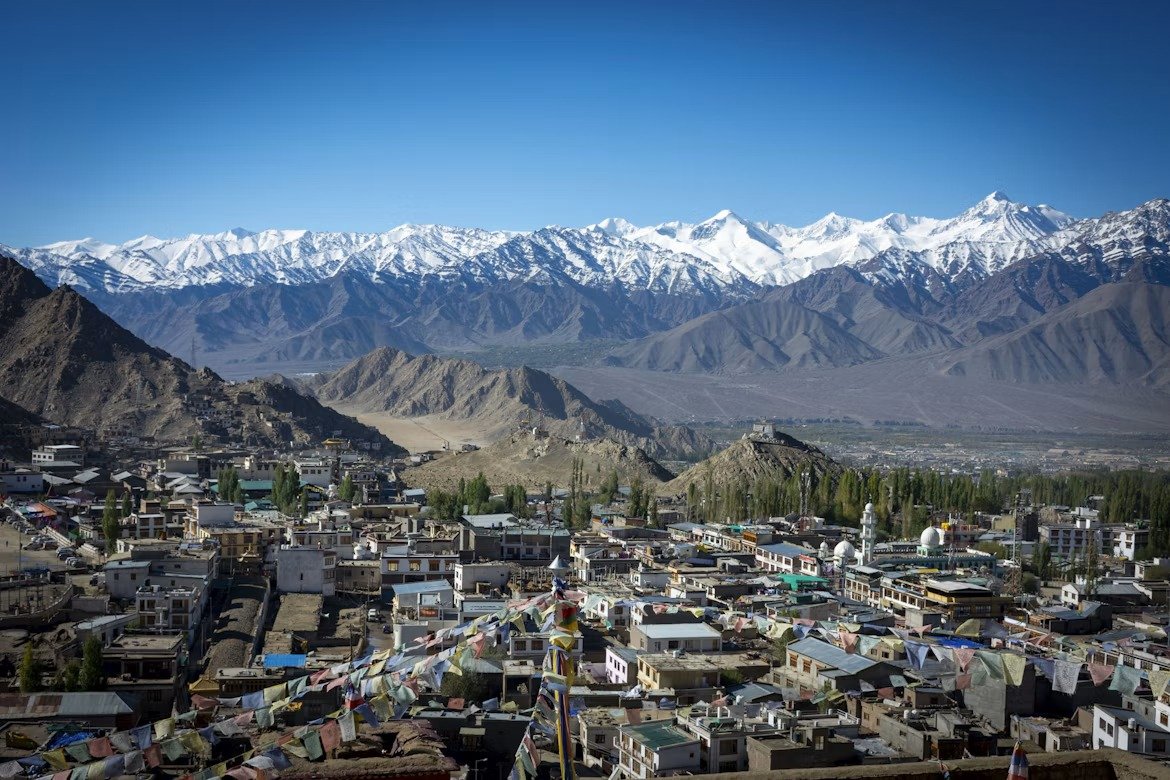
Hyderabad, Oct 2026 : Ladakh, the Land of High Passes, offers an extraordinary combination of snow-capped mountains, turquoise lakes, dramatic valleys, ancient Buddhist monasteries and unforgettable road journeys. Located in the northern Himalayas, this high-altitude destination attracts adventure enthusiasts, photographers, bikers, nature lovers and travellers seeking peace away from crowded cities.
From the spectacular shores of Pangong Tso to the sand dunes of Nubra Valley and the remote landscapes of Zanskar, Ladakh promises a travel experience unlike anywhere else in India. However, its high altitude, unpredictable weather and long distances require careful planning.
Whether you are planning a family holiday, a road trip with friends, a photography expedition or an adventure vacation, here is a comprehensive guide to seven must-visit places in Ladakh, along with information on the best season, transport, clothing, accommodation and safety.
1. Pangong Tso Lake: Ladakh's Famous Changing-Colour Lake
Pangong Tso is among Ladakh's most recognisable attractions, celebrated for its spectacular blue waters surrounded by barren mountains. Situated at approximately 4,225 metres above sea level, the high-altitude lake appears to change colour throughout the day, displaying shades of turquoise, deep blue, green and grey depending on the sunlight, weather and viewing angle.
The lake gained international recognition after appearing in the Bollywood blockbuster 3 Idiots. Its striking landscape has since become a favourite destination for photographers and travellers.
Visitors can enjoy lakeside views, photography and quiet moments surrounded by the Himalayas. Overnight stays may be available in designated accommodation areas, depending on the season and local regulations. Travellers should avoid entering the water, as it is extremely cold, and should respect restrictions around the lake.
Best time to visit: May to September, subject to road conditions and local access.
Travel tip: Carry warm clothing even during summer. Pangong's nights can be very cold, and the high altitude makes acclimatisation essential before visiting.
2. Nubra Valley: Sand Dunes, Orchards and Mountain Landscapes
Located beyond the Khardung La region, Nubra Valley is known for its contrasting landscapes, with green villages, orchards, rugged mountains and the cold-desert sand dunes of Hunder.
One of the valley's most unusual attractions is its population of Bactrian camels, recognisable by their two humps. Visitors can experience the sand dunes and, where available, camel rides operated by local providers.
Diskit Monastery is another major attraction. The monastery features traditional Buddhist architecture and a prominent statue of Maitreya Buddha overlooking the valley. The surrounding villages also offer opportunities to experience Ladakhi hospitality, local cuisine and traditional lifestyles.
The journey to Nubra is an adventure in itself, with dramatic mountain scenery and high-altitude roads. Road conditions can change quickly, so travellers should check current access arrangements before departure.
Best time to visit: May to September.
Travel tip: Spend adequate time acclimatising in Leh before travelling to Nubra. Carry a valid identity document and confirm applicable permits and travel requirements.
3. Leh Palace: A Window into Ladakh's Royal History
Standing above Leh town, the historic Leh Palace offers panoramic views of the surrounding mountains, traditional houses and the Indus Valley landscape.
Built in the 17th century, the nine-storey palace is associated with Ladakh's former royal family and reflects the region's distinctive architectural heritage. Its rooms and structures provide a glimpse into the history, culture and lifestyle of the former royal household.
Visitors interested in history can explore the palace's architectural features and cultural displays, subject to access arrangements. Those who prefer photography will find the views over Leh particularly rewarding, especially during clear weather.
The palace is conveniently located close to the town, making it an excellent addition to a sightseeing itinerary on the first or second full day of a trip, provided visitors feel comfortable with the altitude.
Best time to visit: April to October, although local opening arrangements may vary.
Travel tip: Wear comfortable walking shoes, as reaching and exploring the palace involves uphill walking and stairs.
4. Magnetic Hill: Experience Ladakh's Optical Illusion
Magnetic Hill, located along the Leh-Kargil-Srinagar highway, is a popular stop for travellers exploring the region west of Leh.
The attraction is famous for an optical illusion in which a stationary vehicle appears to roll uphill when placed at a particular point on the road. Although the experience is often described as a magnetic phenomenon, the effect is generally explained by the surrounding landscape and the way the road's gradient is perceived.
The surrounding scenery is equally impressive, with barren hills and wide-open Himalayan vistas. Magnetic Hill can be combined with visits to the Indus-Zanskar confluence and nearby monasteries, depending on road conditions and the available time.
Best time to visit: May to October, depending on road access and weather.
Travel tip: Stop only at designated safe areas and follow traffic instructions. Do not conduct experiments on an active highway or obstruct moving vehicles.
5. Tso Moriri Lake: A Peaceful High-Altitude Wilderness
For travellers seeking a quieter alternative to Pangong, Tso Moriri offers an exceptional combination of blue waters, snow-covered mountain backdrops and open landscapes.
Located at approximately 4,522 metres above sea level, the lake forms part of the Tso Moriri Wetland Conservation Reserve. Its ecological importance makes it particularly attractive to birdwatchers and nature enthusiasts.
The surrounding wetland supports a variety of wildlife and migratory birds, including species associated with high-altitude lakes. Depending on the season, visitors may spot birds such as bar-headed geese and other waterbirds.
Tso Moriri is more remote than many popular Ladakh attractions, and facilities are limited. Travellers should arrange transport, accommodation and meals in advance rather than expecting extensive services along the route.
Best time to visit: June to September, subject to road conditions.
Travel tip: Respect wildlife and conservation rules. Avoid littering, keep a safe distance from birds and animals, and confirm current access and permit requirements before travelling.
6. Thiksey Monastery: Buddhist Heritage and Panoramic Views
Located around 19 kilometres from Leh, Thiksey Monastery is one of the region's most striking Buddhist religious complexes.
Spread across a hillside, the monastery features numerous temples, stupas, murals and religious artefacts. Its most prominent attraction is a large statue of Maitreya Buddha, approximately 15 metres (49 feet) tall.
Visitors can explore the monastery's architecture, learn about Buddhist traditions and enjoy expansive views across the Indus Valley. Those interested in religious life may also attend morning prayers, provided their visit coincides with the schedule and they respect the monastery's customs.
Thiksey is a valuable stop for travellers who want to understand Ladakh beyond its natural scenery. It offers an opportunity to appreciate the region's spiritual heritage and the role monasteries continue to play in community life.
Best time to visit: May to October, with winter visits possible when conditions permit.
Travel tip: Dress modestly, speak quietly inside religious spaces and ask permission before photographing monks or religious ceremonies.
7. Zanskar Valley: Remote Landscapes and Adventure
Zanskar Valley is a destination for travellers seeking dramatic Himalayan scenery, traditional villages and adventurous outdoor experiences.
Known for its deep valleys, rugged mountains and ancient monasteries, the region offers opportunities for trekking, river rafting during suitable seasons and cultural exploration. Karsha Monastery and the remarkable Phuktal Monastery are among its notable attractions.
In winter, the frozen Zanskar River becomes the setting for the famous Chadar Trek. This demanding expedition involves walking over ice and snow in severe cold and should only be undertaken with experienced, authorised guides, appropriate equipment and careful attention to weather and safety conditions.
Zanskar's remoteness is part of its appeal, but it also means that journeys can be long and services limited. Road accessibility varies by season, and travellers should confirm current conditions before making plans.
Best time to visit: June to September for many road trips and outdoor activities. The Chadar Trek is a specialised winter experience, dependent on suitable ice and weather conditions.
Travel tip: Allow extra travel time, carry essential supplies and use experienced local operators for trekking and rafting.
When Is the Best Time to Visit Ladakh?
The ideal travel season depends on the experiences you want.
March-April: Spring scenery, changing weather and quieter travel periods. Some high-altitude routes may remain inaccessible.
May-June: An increasingly popular period as road access improves and the landscape begins to open up.
July-August: A busy season for sightseeing, road trips, trekking and lake visits. Weather and road conditions can still disrupt plans.
September-October: Clear views and autumn colours can make this an excellent time for photography, although temperatures fall and some facilities begin closing.
November-February: Winter brings snow-covered scenery, freezing temperatures and specialised experiences such as the Chadar Trek. Many high-altitude roads and tourist facilities may be closed.
For a first-time visitor hoping to see Leh, Nubra Valley, Pangong and nearby monasteries, June to September is generally the most practical window, subject to current road conditions.
How to Reach Ladakh
By air: The most convenient option is to fly to Kushok Bakula Rimpochee Airport in Leh. Flights operate from Delhi, with other connections varying by airline and season. Check schedules directly with airlines before booking.
By road from Srinagar: The Srinagar-Leh highway passes through Sonamarg and Kargil. It offers a gradual approach through spectacular mountain scenery, but is seasonal and can be affected by snow, landslides or road closures.
By road from Manali: The Manali-Leh highway is a celebrated road-trip route through high mountain passes and remote landscapes. It generally opens seasonally, and travellers should confirm its status before departure.
There is no railway station in Leh. Travellers arriving by train must continue by air or road from a railhead elsewhere in northern India.
What Clothes Should You Carry?
Ladakh's weather can change dramatically between sunny afternoons and cold nights. Pack layers rather than relying on a single heavy jacket.
Thermal innerwear for cold mornings and evenings.
Fleece or woollen layers and a warm, windproof jacket.
Comfortable trekking trousers and quick-drying clothes.
Sturdy walking shoes with good grip.
Sunglasses, sunscreen, lip balm and a hat to protect against intense sunlight.
Gloves, woollen socks and a warm cap, particularly for high-altitude lake visits.
A rain- and wind-resistant outer layer.
Personal medicines, a reusable water bottle and basic first-aid supplies.
Even in summer, do not assume that lakeside destinations will be warm. Pangong and Tso Moriri can experience very low temperatures after sunset.
Essential Safety Tips Before You Travel
Ladakh's altitude is one of its biggest challenges. Leh itself is around 3,500 metres above sea level, and several popular attractions are substantially higher.
Acclimatise before travelling to higher destinations. The Ladakh Tourism Department's published advisory recommends at least 24 hours of acclimatisation after arriving in Leh; follow the latest official guidance and consider allowing 48 hours, particularly if you arrive by air. Avoid strenuous activity immediately after arrival.
Drink water regularly, avoid alcohol during initial acclimatisation and do not ignore symptoms such as headaches, nausea, dizziness or unusual fatigue. If symptoms worsen, stop ascending and seek medical assistance.
Check whether permits or registrations apply to your route, particularly for protected or restricted areas. Requirements can change, so consult the official Ladakh tourism website before departure.
Carry cash, keep your phone charged, arrange accommodation in advance during peak season and maintain flexibility in your itinerary. Mobile connectivity and other services may be limited outside major settlements.
How Many Days Are Enough for Ladakh?
A 7- to 9-day trip is a useful starting point for first-time visitors. Allow time for acclimatisation in Leh, sightseeing around the town, a visit to Nubra Valley, an excursion to Pangong and a return journey. Tso Moriri or Zanskar may require additional days because of their distance and road conditions.
Ladakh is more than a collection of scenic destinations. It is a landscape of living traditions, fragile ecosystems and challenging high-altitude environments. Travel slowly, respect local customs and protect the natural surroundings.
With thoughtful planning, appropriate clothing and sufficient time to adjust to the altitude, a journey through Ladakh can become an unforgettable experience of Himalayan beauty, adventure and tranquillity.
Team Maverick.
Travel Disclaimer: Travel conditions, weather, road access and permit requirements may change. Visitors are advised to check official updates and follow local authorities’ guidelines before travelling.