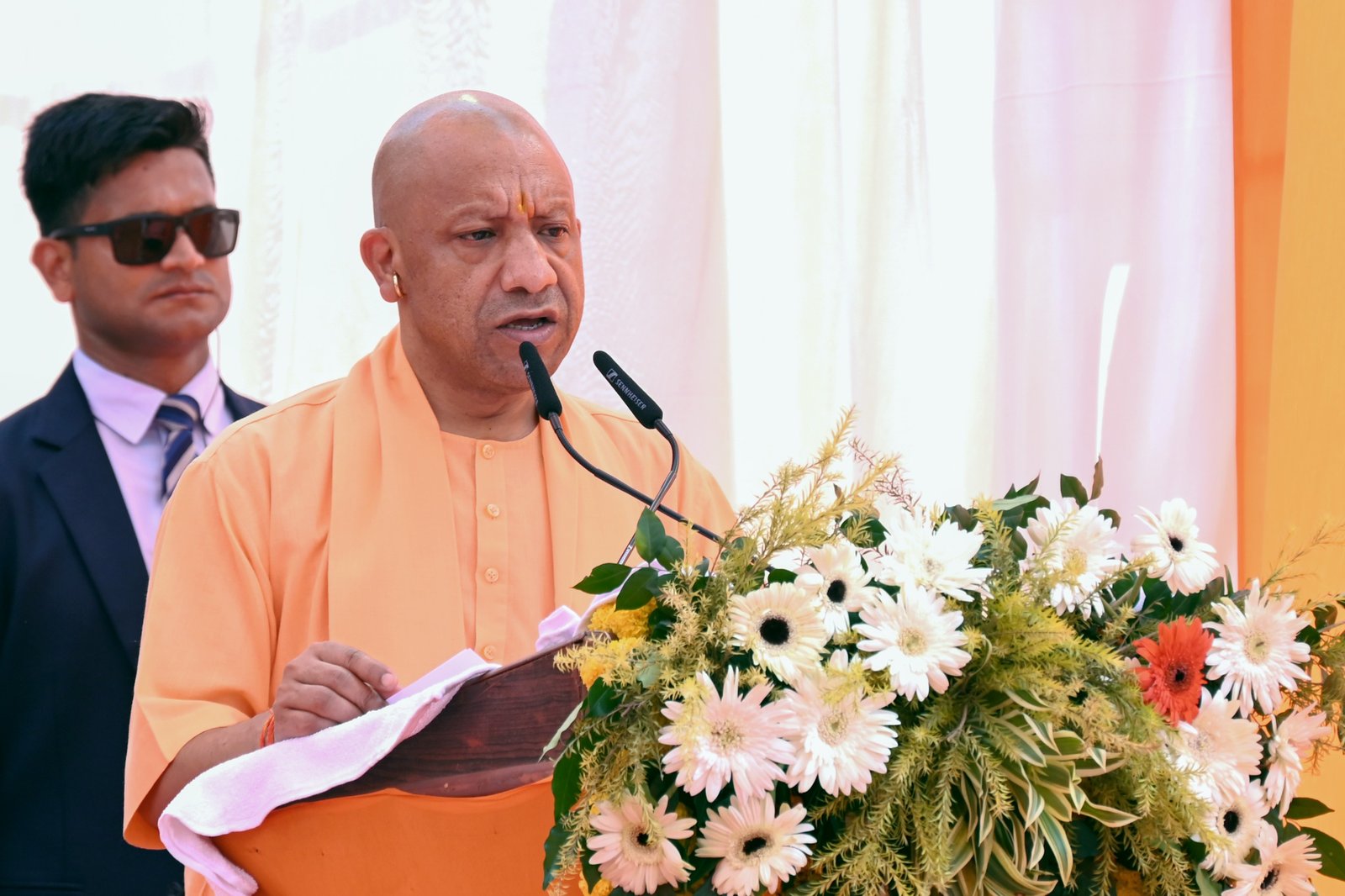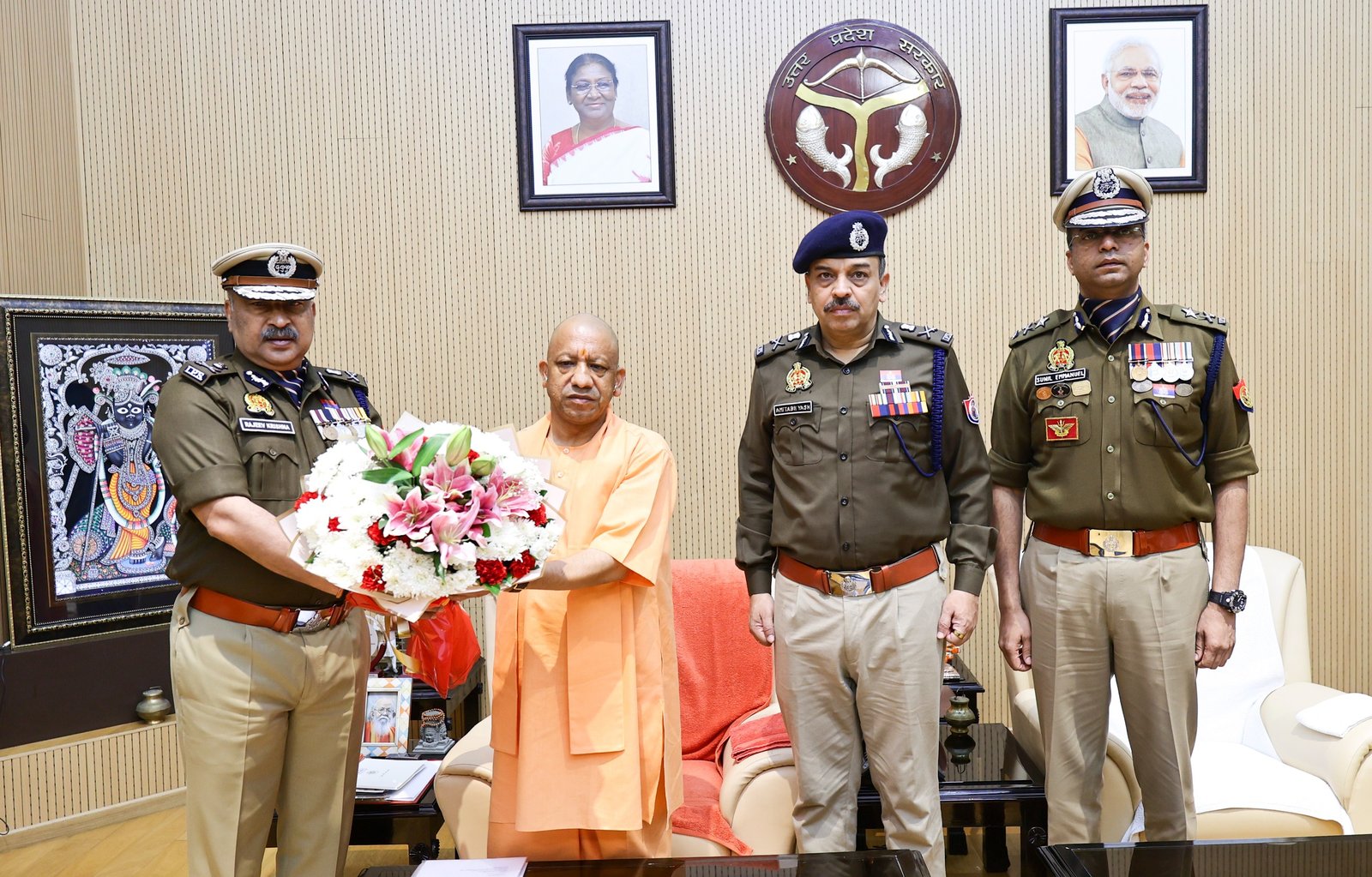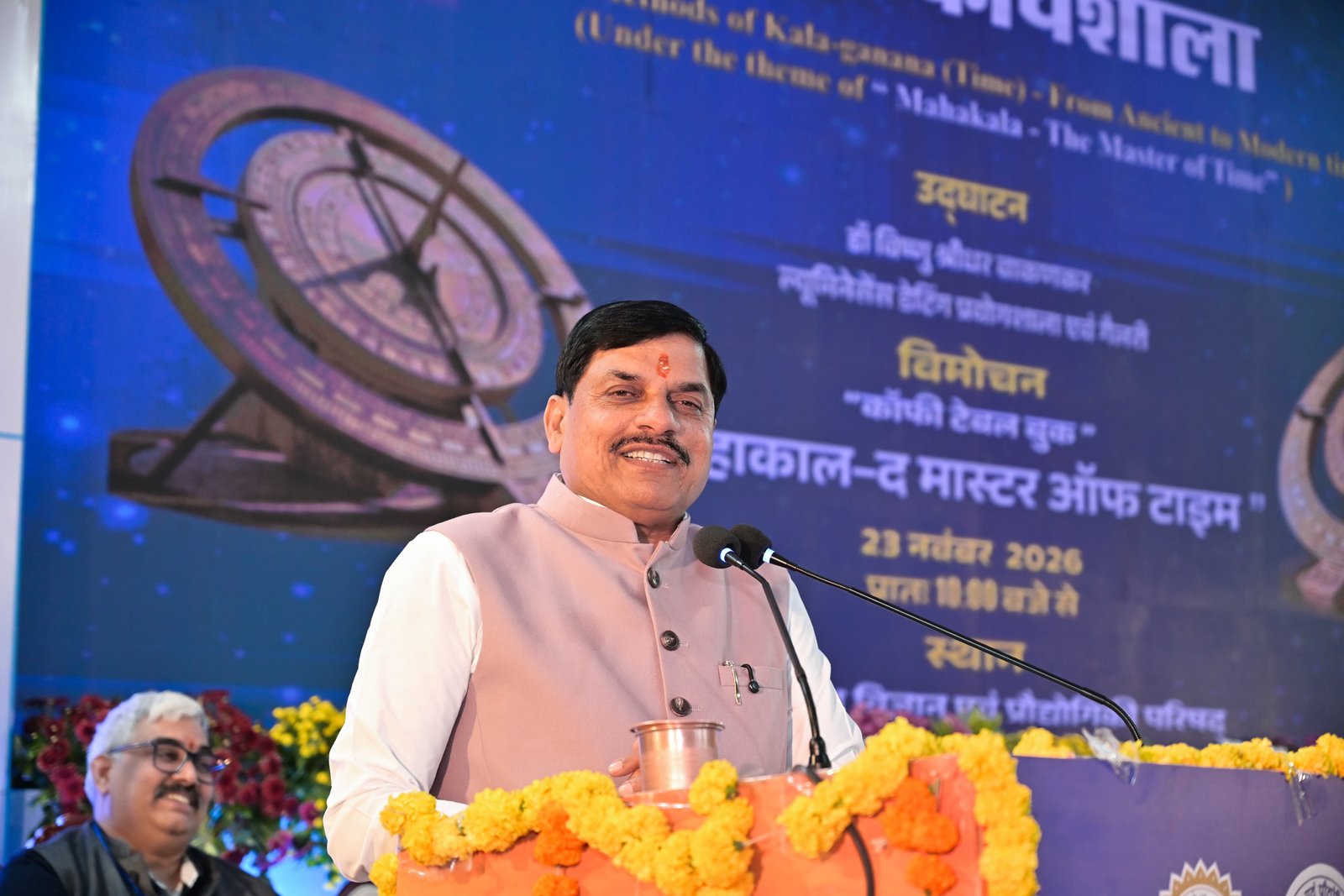
Bhopal, November 2026 : was a significant day for Madhya Pradesh from a scientific perspective. Chief Minister Dr. Mohan Yadav inaugurated the state’s first Dr. Vishnu Shridhar Wakankar Luminescence Dating Laboratory and the Dr. Vishnu Shridhar Wakankar Gallery at the Science Bhawan of the Madhya Pradesh Council of Science and Technology (MAPCAST).
On the occasion, he also inaugurated a national workshop themed “Mahakal: The Master of Time” by lighting the ceremonial lamp. Subject experts and scientists attended the programme. A coffee-table book titled Mahakal: The Master of Time was also released. In addition, an important Memorandum of Understanding (MoU) was signed between Dhanush Quantum Limited and the Madhya Pradesh Council of Science and Technology.
Chief Minister Dr. Mohan Yadav said the Luminescence Dating Laboratory and Gallery, dedicated to the renowned archaeologist, painter and historian Padma Shri Dr. Vishnu Shridhar Wakankar, would enable scientific examination of archaeological objects and materials dating back as far as one million years.
He said science had been an integral part of India's ancient civilisations and environmental studies. Despite limited resources and challenging circumstances, Dr. Wakankar had drawn society's attention to these areas of research. The Chief Minister recalled meeting Dr. Wakankar several times during his student days and having discussions with him on various subjects.
He added that Dr. Wakankar had a broad political outlook alongside his contributions to archaeology and scientific discoveries, and was known for his remarkable calculations. Dr. Wakankar received the Padma Shri during the Congress government’s tenure. The Madhya Pradesh government has also named the Ratapani Sanctuary near Bhopal as the Dr. Vishnu Shridhar Wakankar National Park. Padma Shri Narayan Vyas has also carried forward Dr. Wakankar’s tradition of archaeological research.
Research and Innovation to Receive a Major Boost
Chief Minister Dr. Yadav said Ujjain, which once had an observatory for astronomical calculations, was now set to become home to a Deep-Tech Park. Professors of mathematics and physics from IIT and universities across Madhya Pradesh are contributing to the initiative.
The unique Deep-Tech Park, being developed across 100 acres, will have four specialised centres. These centres will promote research and innovation by connecting ancient knowledge systems with modern science.
The Madhya Pradesh government has also prepared its own Space Policy and is taking concrete steps to promote research in space science. Ujjain, he said, was developing beyond its identity as a religious and industrial centre to emerge as a science city. Bhopal, meanwhile, is being developed as a knowledge city.
He noted that the Vikramaditya Research Foundation had developed a Vedic clock and that the Vikramaditya Mahanaatya had been staged across the country. Steps were now being taken to develop the Vikramaditya Research Foundation into the Vikramaditya Academy.
State Government Encouraging Scientific Research
Additional Chief Secretary of the Industries Department Neeraj Mandloi said scientists and researchers required proper infrastructure, equipment and a conducive environment to carry out their work. Scientific research and innovation, he added, contribute to national progress and global peace.
With this objective, the state government is establishing a Deep-Tech Research and Innovation Park across 100 acres in Ujjain, for which ₹237 crore has been sanctioned. IIT Indore is the technical partner for the project, while Chief Minister Dr. Mohan Yadav will serve as its chairman.
Mandloi said India had been at the forefront of knowledge traditions since the Vedic period, and this legacy would form the foundation of the Deep-Tech Park.
He cited the recognition of June 21 as International Yoga Day by 177 countries, the use of zero and decimal systems, the origins of surgical practices and the cancellation of a US patent on turmeric following India's challenge in 1997. Modern meditation practices and other traditional systems, he said, reflected India's rich heritage.
He observed that the time had come for faith to be supported by scientific evidence. The state government was encouraging research, with the objective of helping young people move from research and innovation to setting up start-ups. He also described Ujjain as a historic centre of global timekeeping.
MAPCAST Has Established a Leading Position in the Country
MAPCAST Director General Dr. Anil Kothari said the council was continuously working to connect science and technology with societal needs. Its efforts focus on research, innovation, traditional knowledge, environmental protection and socio-economic development.
He described the establishment of the gallery and Luminescence Dating Laboratory dedicated to Padma Shri Dr. Wakankar as an important initiative to build a bridge between India's ancient cultural heritage and modern scientific research.
The Deep-Tech Centre in Ujjain, he said, would provide a new direction to India's traditional knowledge systems. MAPCAST has awarded fellowships to more than 250 young scientists and has established a leading position in the country through its work.
The council is also active in science and technology, innovation and space technology. Making Ujjain a focal point for the study and measurement of time remains one of its key objectives, Kothari said.
Our Connection with Time Is Gradually Weakening
Thinker and social worker Suresh Soni said Dr. Vishnu Shridhar Wakankar’s extraordinary talent gave the impression that he was a born archaeologist.
He said the Deep-Tech Park being established in Ujjain would have four major centres. The astronomy centre has been named after Varahamihira, the centre dedicated to traditional knowledge after Sandipani, the agricultural science centre after Balarama, and the centre for emerging technologies after Aryabhata.
The park would promote comprehensive research by bringing together ancient knowledge and modern technology. Such research, he said, would give a new direction to India's knowledge traditions.
Soni observed that the cycle of time continued endlessly, with different civilisations emerging and disappearing over successive ages. Indian religious scriptures contain detailed explanations of the measurement of time, which have also been acknowledged by several scientists across the world.
He said a distinctive feature of Indian timekeeping was its effort to understand events and developments across different periods. In the Indian tradition, the measurement of time was not merely a mechanical process; even the pulse was linked to the understanding of time.
However, he noted that people's connection with time was gradually weakening and needed to be revived. He suggested developing a wristwatch that would continuously display the Panchang along with the changing time.