‘Jahan Jhuggi, Wahan Makan’ Scheme to Gain Momentum, Nearly 20 Lakh People to Benefit: CM Rekha Gupta
Slum Clusters Established Before January 1, 2025, to Be Covered Under New Policy, Eligible Families to Get Permanent Homes: CM
New Rehabilitation Policy Inspired by PM Narendra Modi Ji’s Vision of Antyodaya and Welfare of the Poor: CM Rekha Gupta
New Delhi, November 2026 : On the auspicious occasion of Diwali, the Rekha Gupta-led Delhi Government has taken a significant step towards bringing hope and a better future to lakhs of underprivileged families in the capital. The government has notified the Delhi Slum and Jhuggi Jhopri Relocation and Rehabilitation Policy, 2026, aimed at providing permanent and secure homes to eligible families living in slum settlements across Delhi. The initiative is expected to benefit around 4 to 5 lakh families, covering nearly 20 lakh people, who have long aspired to better housing and a life of dignity.
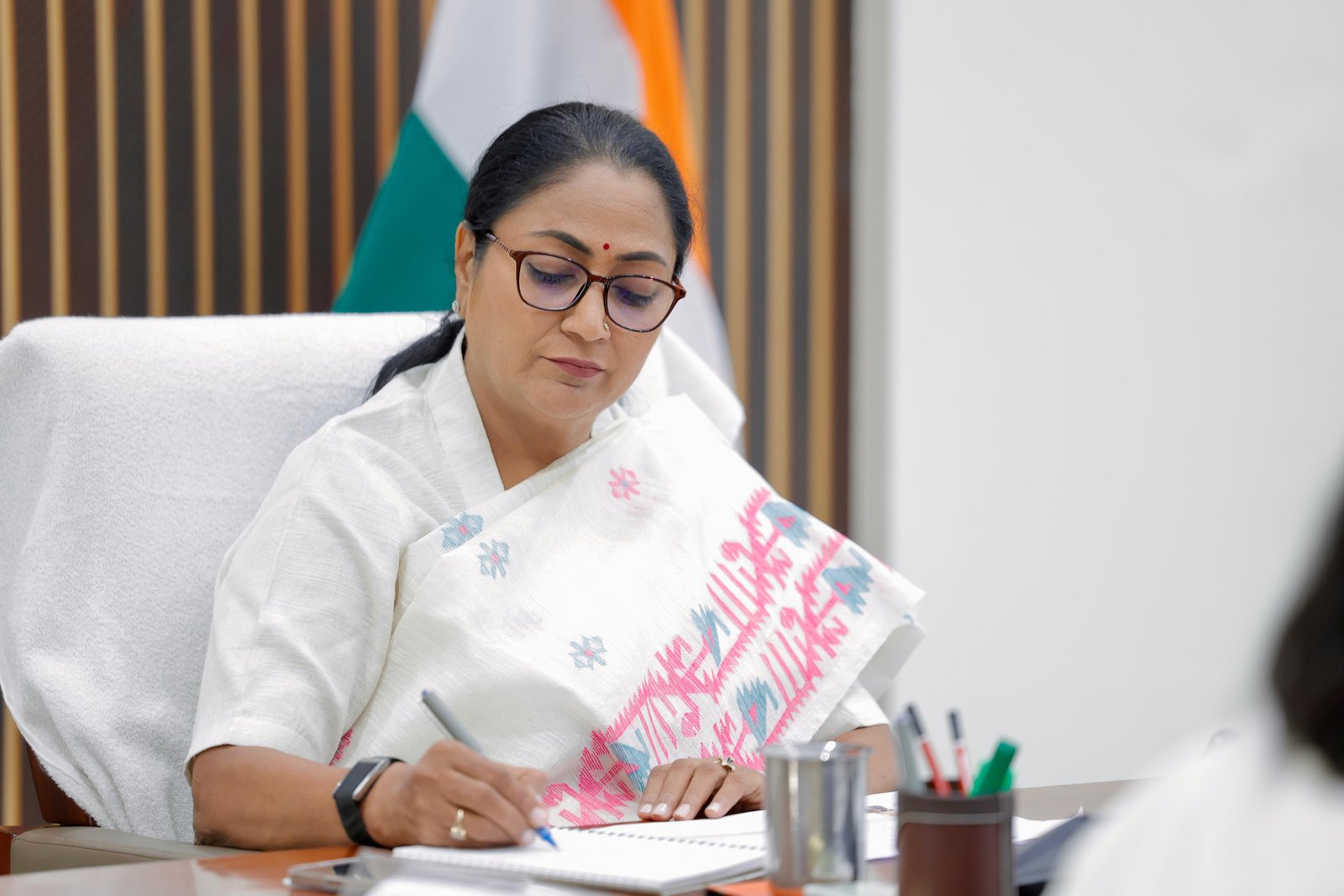
Chief Minister Smt. Rekha Gupta said the government's objective is not merely to remove slums or redevelop settlements, but to ensure that eligible families get permanent homes where they can live safely and peacefully with their children, with greater stability and a better future. One of the most significant features of the new policy is that it extends rehabilitation benefits to eligible families living in slum settlements established before January 1, 2025. This will provide an opportunity to many families who were left out of earlier schemes to benefit from the new rehabilitation framework. Along with providing housing, the policy also takes into account the dignity of slum dwellers, their existing livelihoods and their social lives.
Priority to ‘Jahan Jhuggi, Wahan Makaan’
Under the new policy, eligible slum dwellers will be provided alternative housing, with in-situ rehabilitation given priority. The government's endeavour will be to provide permanent homes at the existing slum settlement site or within a radius of three kilometres. This is intended to ensure that families do not have to move far away from their workplaces, children's schools and everyday necessities after getting a new home. The policy seeks to translate the commitment of ‘Jahan Jhuggi, Wahan Makaan’ into reality.
Schools, Anganwadi Centres, Healthcare Facilities and Playgrounds
The policy provides for one-bedroom, hall and kitchen (1-BHK) housing units for eligible families. The residential complexes developed under the rehabilitation programme will not be limited to housing alone. They will also have essential social infrastructure, including schools, Anganwadi centres, healthcare facilities and playgrounds for children. These facilities will be developed in accordance with the applicable planning provisions for the respective areas. This will ensure that families living in slum settlements have access not only to better housing but also to an environment conducive to their children's education, healthcare and social development.
Protection for Families Living Independently in the Same Structure
The new policy includes an important provision to safeguard the interests of slum dwellers. Under it, slums that existed before January 1, 2025, will not be removed without providing alternative accommodation to families that fulfil the prescribed eligibility conditions. This gives priority to arranging alternative homes for families eligible for rehabilitation, reducing uncertainty about their housing future and protecting their interests throughout the process.
The policy also makes special provisions for families living independently on different floors of the same slum dwelling. If separate families occupy different floors of a single structure and independently fulfil the prescribed eligibility and documentation requirements, they may be considered for allotment of separate residential units. This will open the way for families maintaining independent households on different floors of the same dwelling to receive due recognition.
Special Consideration for Families with Persons with Disabilities
The policy also provides special arrangements for families that include persons with disabilities. Subject to fulfilment of the prescribed certification requirements and availability, such eligible families will be given priority in the allotment of ground-floor housing units. This will help reduce the difficulties persons with disabilities may face in using stairs or accessing upper floors. In the case of married couples, the housing unit will be allotted jointly. This will help safeguard the housing rights of families and reduce the possibility of disputes in the future.
Maintenance and Security for Five Years
The policy places special emphasis on the maintenance of residential complexes after rehabilitation. Shared infrastructure, services and security arrangements will be maintained for five years from the date of the first allotment. Thereafter, beneficiary associations will play a role in managing the common facilities of the residential complexes. This will help ensure that cleanliness, security and community facilities remain properly maintained even after families move into their new homes.
Computerised Lottery and GIS Platform to Ensure Transparency in Allotment
To make the rehabilitation process transparent and systematic, the policy provides for allotment of houses through a computerised draw of lots. A grievance redressal and appeal mechanism will also be put in place so that eligible families can raise their concerns and objections before the appropriate authority. In addition, a centralised GIS-based digital platform will be developed to monitor projects, manage the allotment process and maintain information related to beneficiaries. The system will also help prevent duplicate allotments and ensure effective monitoring of the entire process.
Temporary Housing Arrangements During Redevelopment
The policy also provides that families affected by in-situ redevelopment under the Public-Private Partnership (PPP) model will not be left without accommodation during the redevelopment process. The concerned developer will be required to arrange temporary housing or rental accommodation for them, or provide financial assistance towards rent. Ensuring the availability of basic services during this period will also be the developer's responsibility.
‘Families Will Get Dignity and Access to a Better Quality of Life’: CM Rekha Gupta
Chief Minister Rekha Gupta said the new rehabilitation policy also lays the foundation for planned redevelopment of slum settlements, community participation and better utilisation of land. The government's objective is to ensure that poor families in Delhi receive not just a roof over their heads, but also dignity, security and access to better living facilities.
She said that poor and hardworking families living in Delhi have made a significant contribution to the development and growth of the national capital. Those who have helped build and advance the city through their labour, sweat and hard work have an equal right to a dignified life and secure housing. A family living in a slum deserves the same dignity, security and better future that every citizen of Delhi aspires to.
The Chief Minister said Hon’ble Prime Minister Shri Narendra Modi Ji has a clear commitment to ensuring that no family in the country is deprived of basic amenities and dignified housing. Inspired by the Prime Minister's vision of Garib Kalyan and Antyodaya, the Delhi Government has notified this new policy for the rehabilitation of slum dwellers.
She said the policy is an important initiative towards bringing positive changes to the lives of lakhs of families. Protecting the dignity and rights of the poor is not merely the responsibility of the government, but also a reflection of a sensitive and just society. Our Government is committed to securing a better future for every eligible underprivileged family in Delhi, guided by the spirit of ‘Sabka Saath, Sabka Vikas, Sabka Vishwas and Sabka Prayas’.