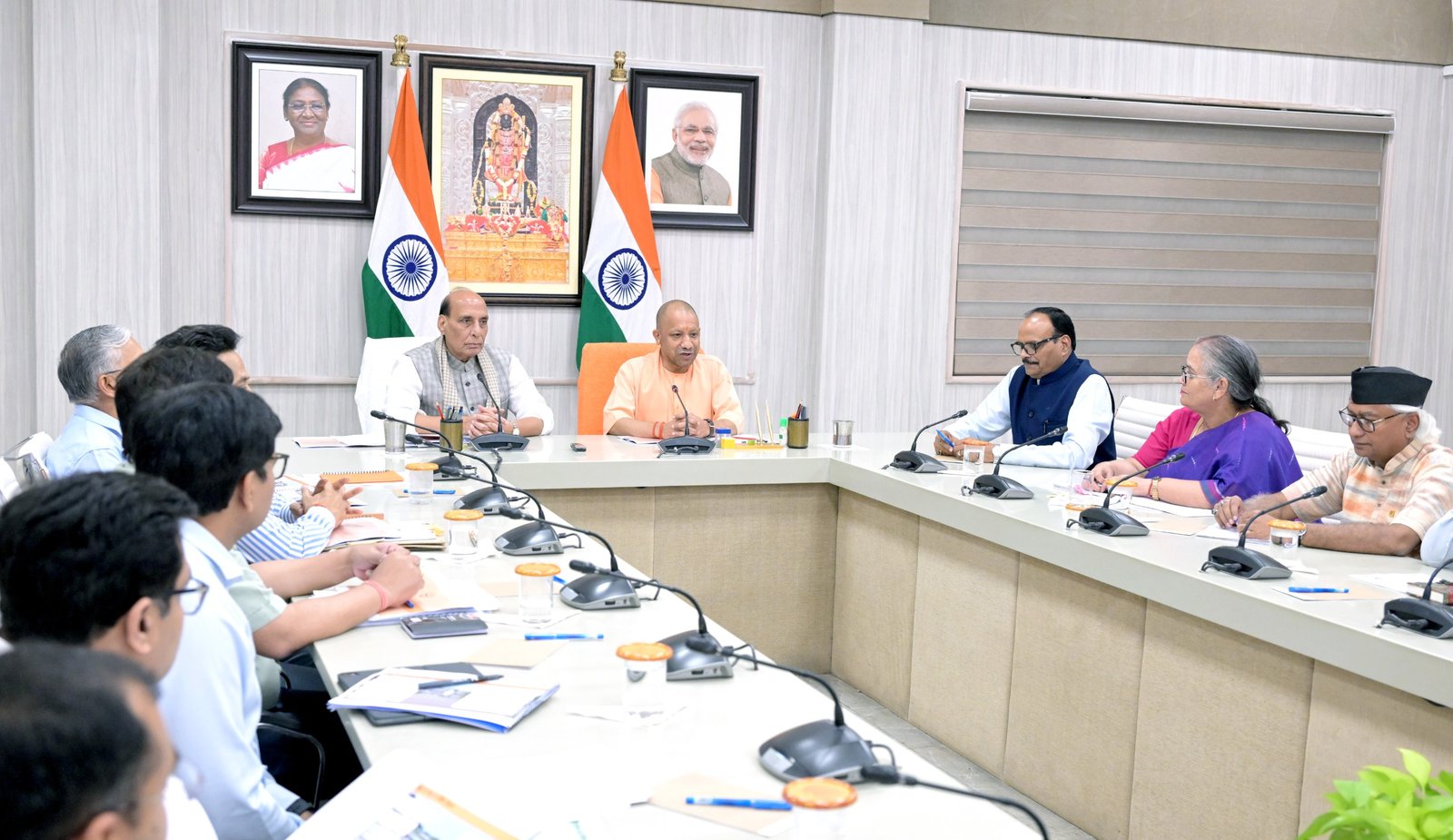
Rajnath Singh and Chief Minister Yogi Adityanath finalise a comprehensive roadmap to protect Lucknow from waterlogging at a high-level meeting
Twelve new flood pumping stations to prevent Gomti backflow; drainage network to be developed from Nyay Vihar to Eldeco Drain
Primary health centres in flood-affected areas to be upgraded to community health centres; new 132 kVA substation to be established
New educational institution offering classes from pre-primary to Class 12 to be opened soon in Faizullaganj: Chief Minister
Chief Minister directs authorities to continue sanitation, fogging and healthcare services on a war footing in affected areas
Lucknow, October 2026 : The state government has initiated comprehensive measures to ensure that the waterlogging witnessed in Lucknow’s Faizullaganj area due to this year’s excessive rainfall does not recur. At an important meeting held on Saturday with Defence Minister and Lucknow MP Rajnath Singh, Chief Minister Yogi Adityanath decided to construct an approximately 5.5-km-long embankment along the left bank of the Gomti river, from IIM Road to Pakkapul. In addition, 12 new pumping stations will be established to address the disruption of drainage when the Gomti’s water level rises, and an extensive drainage network will be developed from Nyay Vihar to Eldeco Drain.
The meeting, attended by senior officials from various departments, including irrigation, urban development, housing, health, revenue and energy, reviewed the situation in flood- and waterlogging-affected areas, relief and rescue operations, and proposed projects for a permanent solution to the problem.
Deputy Chief Minister Brajesh Pathak, local MLA Dr Neeraj Bora and Mayor Sushma Kharkwal were also present. Defence Minister Rajnath Singh expressed his appreciation for the relief efforts undertaken so far by the state government and district administration.
During the meeting, Deputy Chief Minister Brajesh Pathak stressed the need to assess future drinking water requirements in Lucknow and make adequate arrangements accordingly. MLA Neeraj Bora highlighted the problems faced by affected families in Faizullaganj and emphasised the need to improve the sewerage system, establish a sewage treatment plant (STP) and upgrade transformers. Mayor Sushma Kharkwal informed the meeting that approximately 6,500 houses had been affected in the area and that the municipal administration was working round the clock to provide all possible assistance to affected families.
The meeting held detailed discussions on waterlogging in low-lying areas around the Gomti river, including Faizullaganj, the delivery of relief to affected families, and measures to prevent similar situations in the future through embankment construction, drainage development and modern pumping infrastructure.
The Chief Minister directed officials to ensure that no effort was spared in providing relief to affected families. Arrangements for clean drinking water, food, medical care, sanitation and safe transportation must be maintained continuously. The departments concerned must work in coordination and implement a time-bound action plan to permanently resolve the waterlogging problem. The Chief Minister also directed the immediate strengthening of roads damaged by waterlogging.
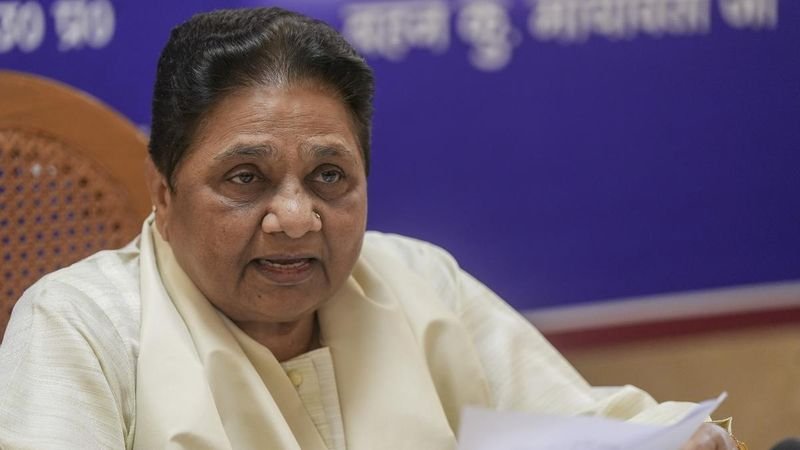
Union Defence Minister and Lucknow MP Rajnath Singh said, "Providing permanent relief to the people of Lucknow from this problem is the highest priority." He noted that thousands of families in low-lying areas, including Faizullaganj, had faced severe hardships due to flooding and waterlogging over the past two weeks, with damage to their homes and establishments. He emphasised that construction of the embankment from IIM Road through Khadra to Pakkapul (Hardinge Bridge) should begin at the earliest on top priority.
He also stressed the need to ensure the time-bound development of essential infrastructure in these colonies, including trunk drainage, sewerage networks, household tap water connections, roads and a reliable electricity supply.
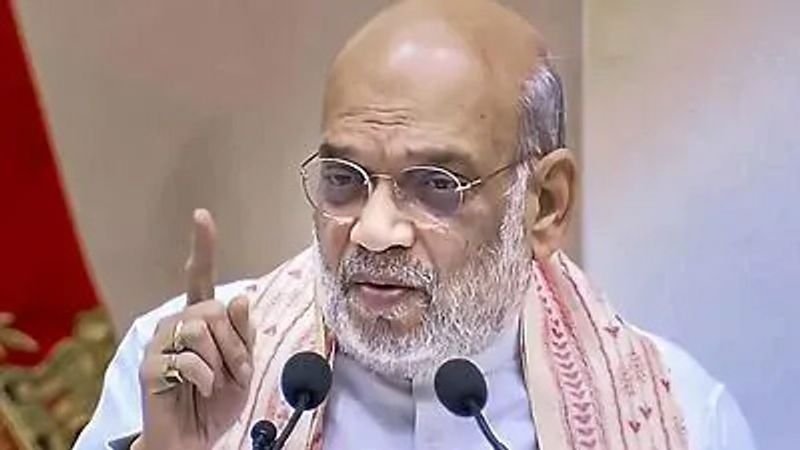
Directing officials to act promptly on the issues raised by the Defence Minister, the Chief Minister said, "The government stood firmly with every affected family during this crisis."
Emphasising the overall development of the area, he announced that a new integrated educational institution offering classes from pre-primary to Class 12 would be established soon in Faizullaganj to provide children with accessible, quality education.
To strengthen healthcare services, the Chief Minister directed that all primary health centres (PHCs) in waterlogging-affected areas be upgraded to community health centres (CHCs). He also ordered the establishment of a new 132 kVA substation, replacing the existing 33 kVA infrastructure, to ensure an uninterrupted power supply.
The Chief Minister said, "The drainage infrastructure in a rapidly developing metropolitan city like Lucknow must be designed to meet future requirements."
He directed officials to plan embankment construction, pumping stations and drainage channels as complementary components of an integrated system, ensuring that water does not accumulate in residential areas even when river levels rise or exceptionally heavy rainfall occurs.
Describing the Gomti as the soul of Lucknow, the Chief Minister said, "All necessary steps should be taken to ensure the river’s uninterrupted and clean flow." He also emphasised the need to expedite dredging operations to remove accumulated silt from the river.
The meeting also reviewed the recent flooding and the progress of relief operations. Officials informed the meeting that the Gomti’s normal water level is 105.70 metres, while its warning level is 108.50 metres. On October 8, the river’s water level had risen to 108.60 metres.
As Faizullaganj lies approximately four metres below the river’s normal level, nearly 6,500 families, comprising more than 38,000 people, across 21 localities spread over 8.05 square kilometres were affected.
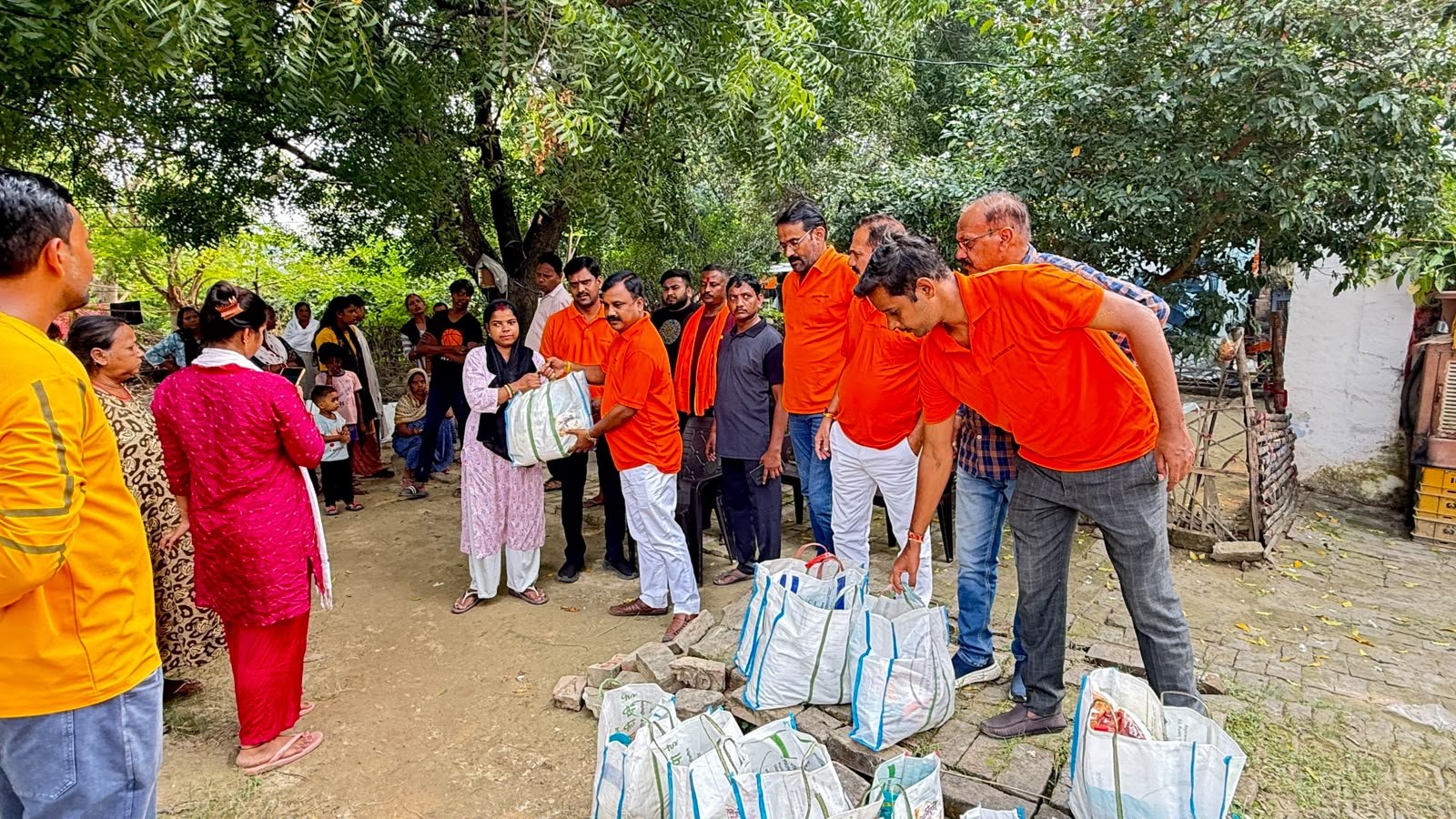
The administration responded swiftly by setting up 16 flood relief posts and eight shelters. Rescue operations were carried out with the assistance of the National Disaster Response Force (NDRF), State Disaster Response Force (SDRF) and the 32nd Battalion of the Provincial Armed Constabulary (PAC), using 106 boats, 40 motorboats and 19 steamers.
Relief supplies distributed among affected residents included 11,275 food relief kits, 67,800 lunch packets and 118,500 litres of drinking water.
On the healthcare and sanitation front, 46 medical teams comprising 28 doctors and paramedical staff conducted door-to-door visits and treated 8,591 patients. They also distributed 12,291 medicine kits, 12,000 oral rehydration solution (ORS) packets and 8,591 chlorine tablets. Fourteen ambulances were deployed for emergencies, and two veterinary camps were established.
To prevent the spread of infectious diseases, anti-larval spraying is being carried out using 11 drones, 172 backpack machines, five sweeping machines and eight tractor tankers. Fogging operations are also underway using 11 Tata Ace-mounted machines and 23 handheld machines.
In addition, 75 water tankers, 36 mobile toilets, 179 lighting points and 135 mobile charging points have been deployed in the area. A control room operating round the clock, with the toll-free number 1077, and six control points are also functioning to address public grievances.