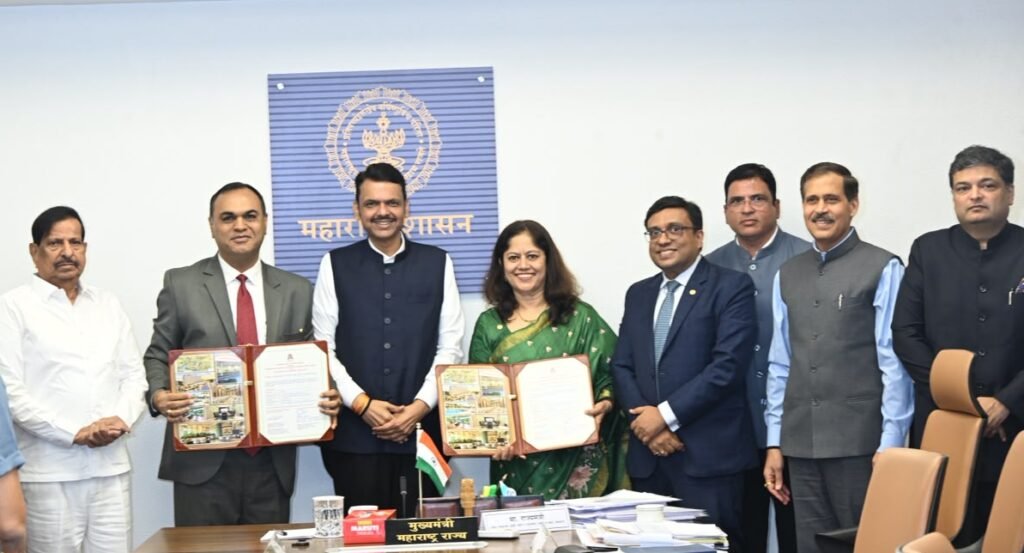
MoUs for Projects Worth Rs 471.28 Lakh Distributed to Eight Gram Sabhas and One Tribal Cooperative Society in Gadchiroli
Mumbai, November 2026: The Shabari Tribal Finance and Development Corporation’s initiative to implement forest-produce-based livelihood projects in consultation with local Gram Sabhas is commendable. The work undertaken by the Lekha-Mendha Gram Sabha Federation is also inspiring and will help promote the economic empowerment of local tribal communities, said Ranjana Chopra, Secretary, Union Ministry of Tribal Affairs.
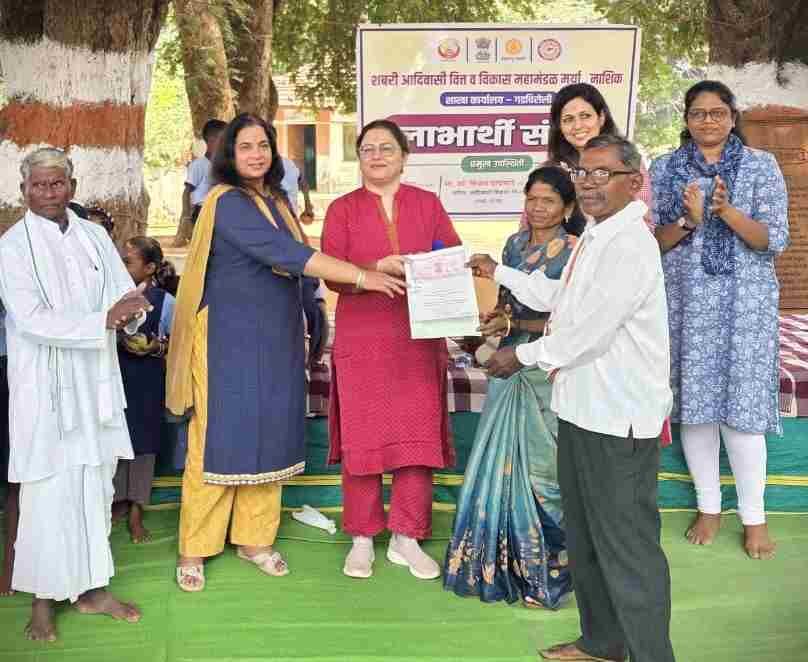
At a programme organised in Lekha-Mendha village in Gadchiroli district, memorandums of understanding (MoUs) were distributed for minor forest produce-based livelihood projects worth a total of Rs 471.28 lakh. The projects have been sanctioned to eight Gram Sabhas in Dhanora taluka and one tribal cooperative society under a Central Government scheme implemented through Article 275(1) of the Indian Constitution.
The programme was attended by Ranjana Chopra and Leena Bansod, Commissioner for Tribal Development and Managing Director of the Shabari Tribal Finance and Development Corporation.
During the event, Secretary Chopra interacted directly with representatives of the Gram Sabhas. She said the initiative being implemented through the Shabari Corporation to economically empower local tribal communities in Gadchiroli could serve as a model for the entire country.
She also suggested that the Corporation urgently submit a comprehensive proposal to the Central Government for establishing modern food parks through a cluster-based approach. The objective, she said, should be to effectively utilise the district’s abundant forest resources and strengthen the local economy.
Chopra also reviewed the functioning of the Van Dhan Vikas Kendras in Dhanora and expressed satisfaction over the progress made.
Explaining the objectives of the Shabari Corporation’s initiative, Leena Bansod said efforts were being made to develop Gram Sabhas not merely as institutions responsible for protecting forest resources but also as self-sustaining livelihood organisations.
She emphasised the need for Gram Sabhas to come together and establish federations in the future. Processing forest produce locally, adding value to products and developing effective branding strategies would help increase the income of tribal communities. These initiatives would also contribute to employment generation, women's empowerment and the financial autonomy of Gram Sabhas, she added.
Under the projects, minor forest produce such as mahua flowers, charoli, tendu leaves, jamun, amla, custard apple and honey will not merely be collected but also scientifically processed within villages using modern facilities.
Special emphasis will be placed on attractive packaging, value addition and direct linkages with major markets. This is expected to reduce dependence on intermediaries and ensure better market access and fair returns for forest produce. The initiative will also help tribal households develop sustainable sources of income.
Devaji Tofa, veteran social activist and pioneer of the Mendha-Lekha Gram Sabha, also shared his views at the programme. Appreciating the Shabari Corporation's contribution, he said it was extending important support to Gram Sabhas in their efforts to make villages self-reliant through forest-produce-based livelihood activities.
Samidha Singh, Director in the Union Ministry of Tribal Affairs; officials from the Integrated Tribal Development Projects in Gadchiroli, Aheri and Bhamragad; officials of the Shabari Corporation; and chairpersons, office-bearers and representatives of the participating Gram Sabhas were present.